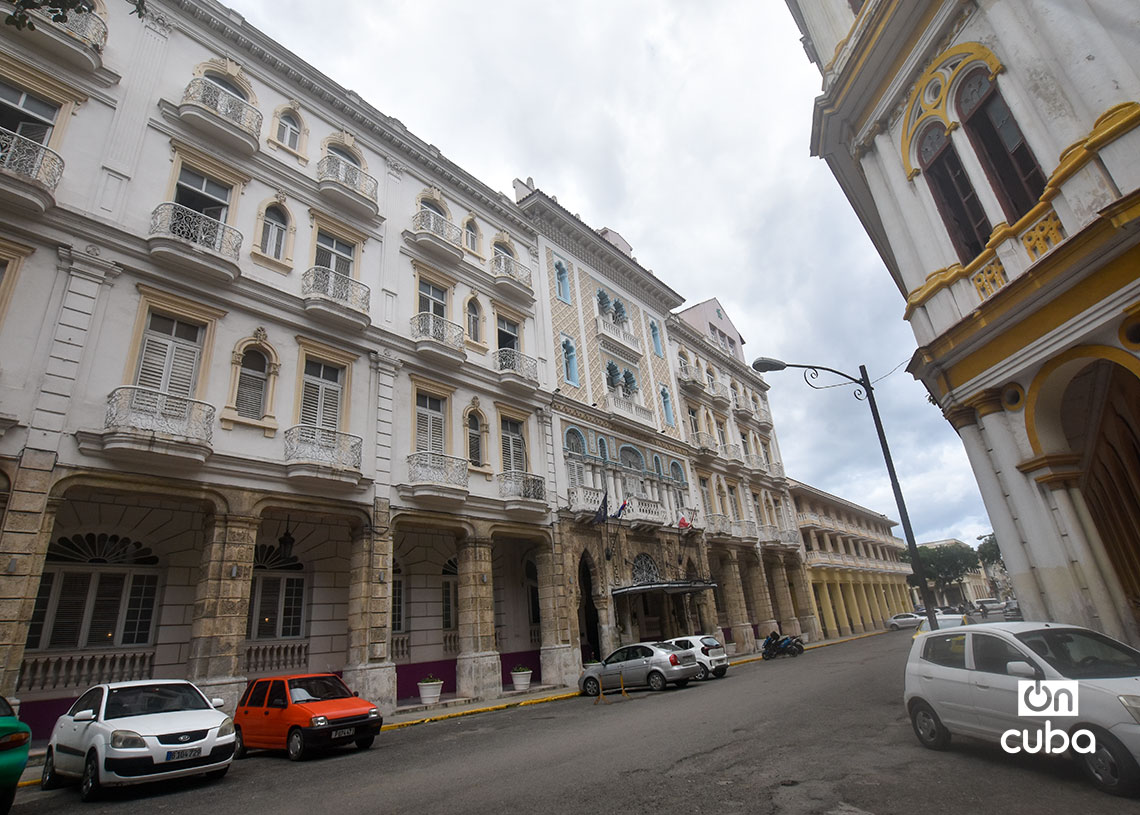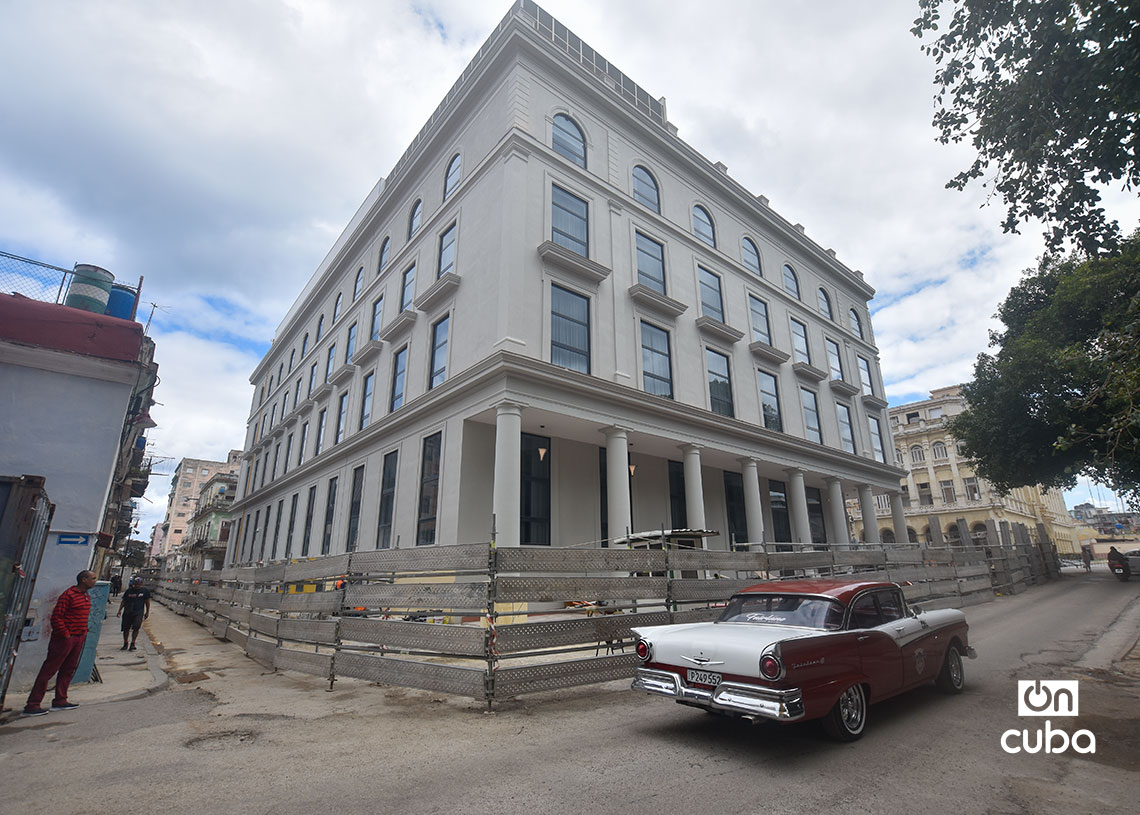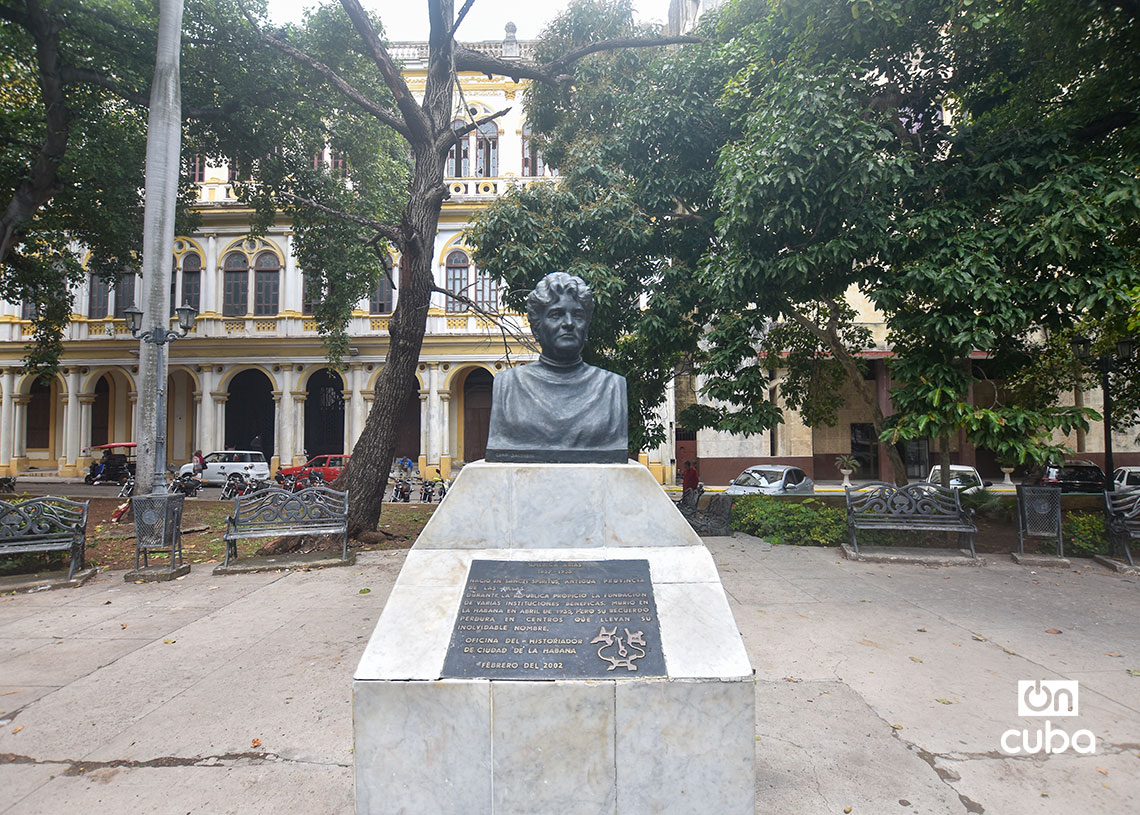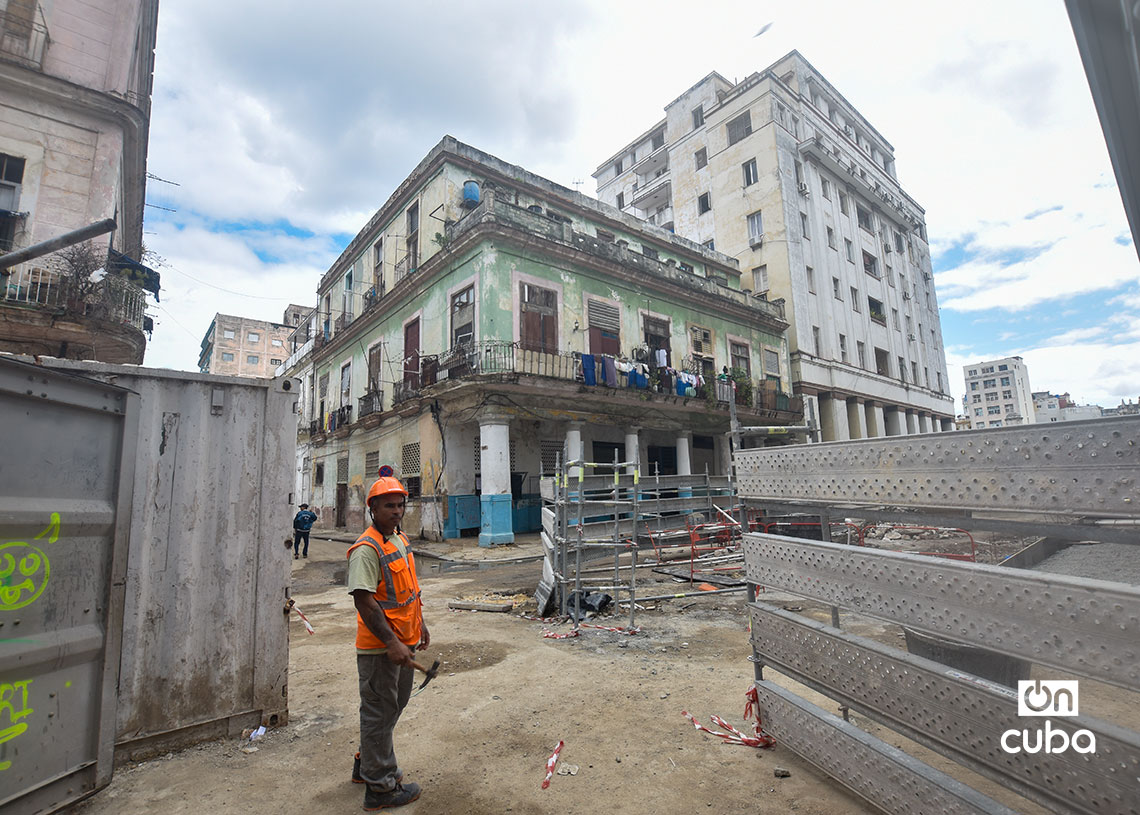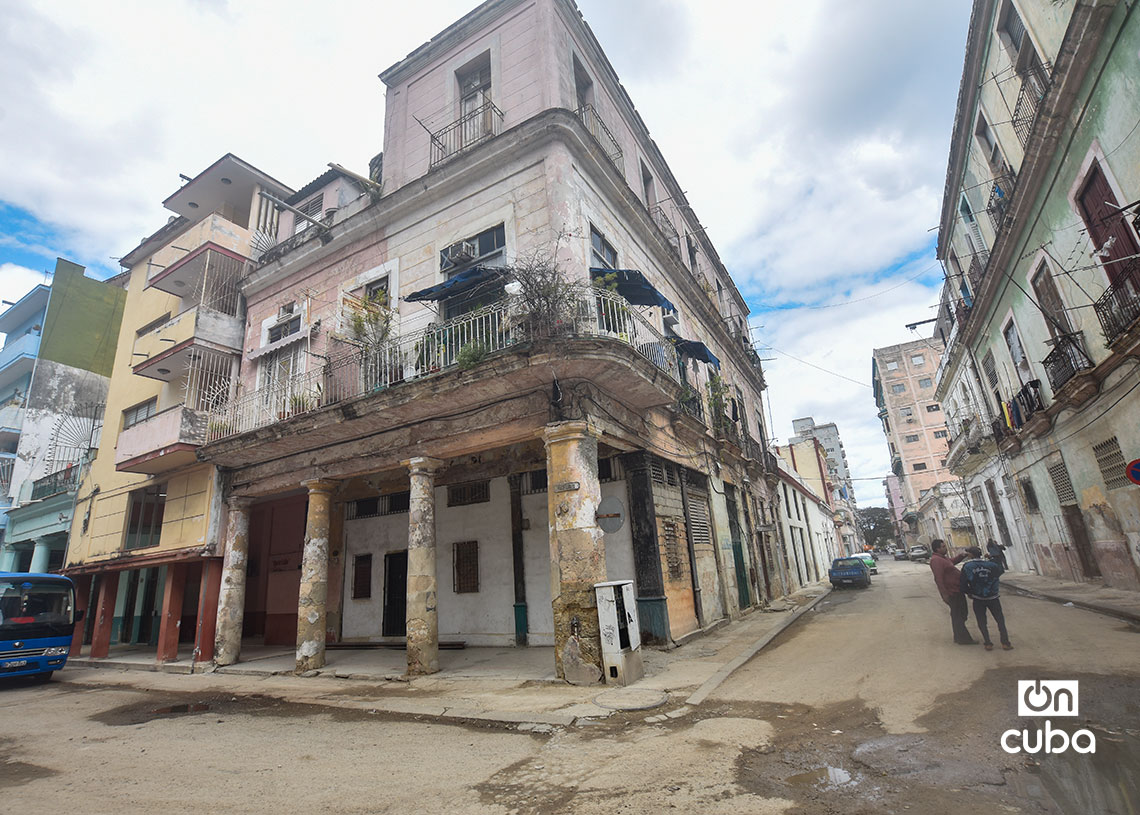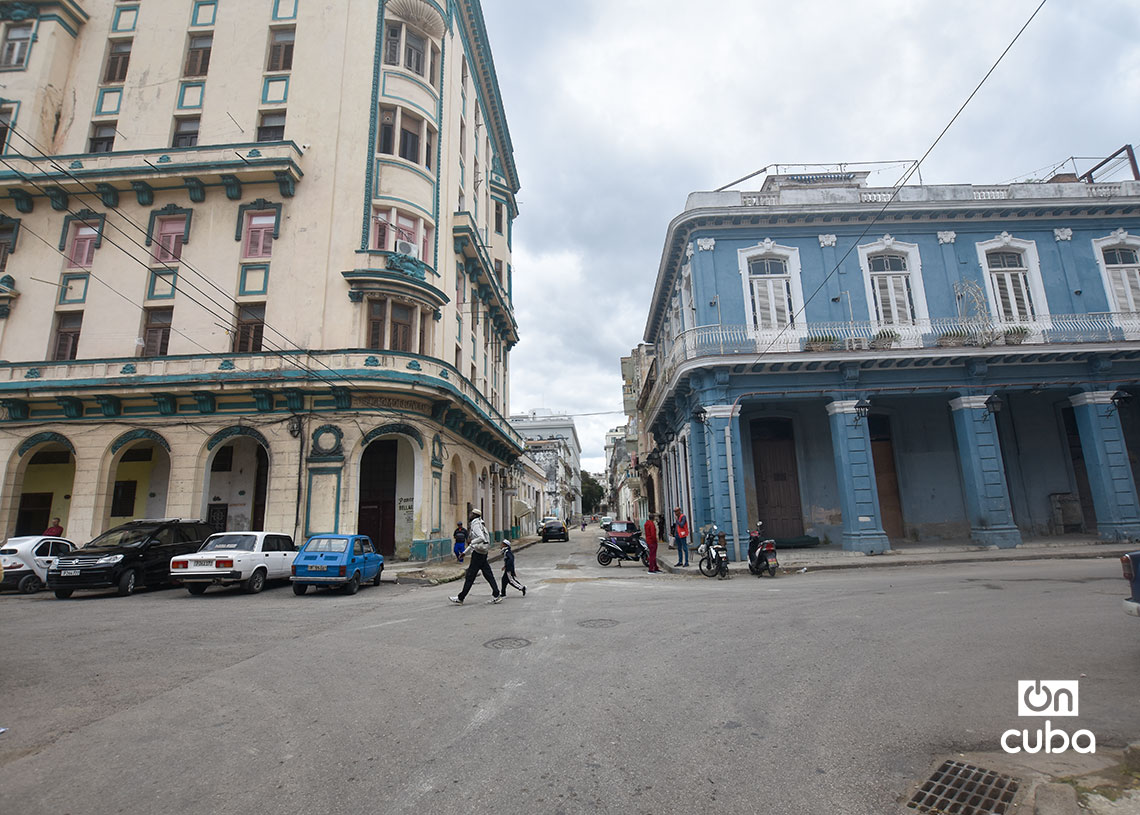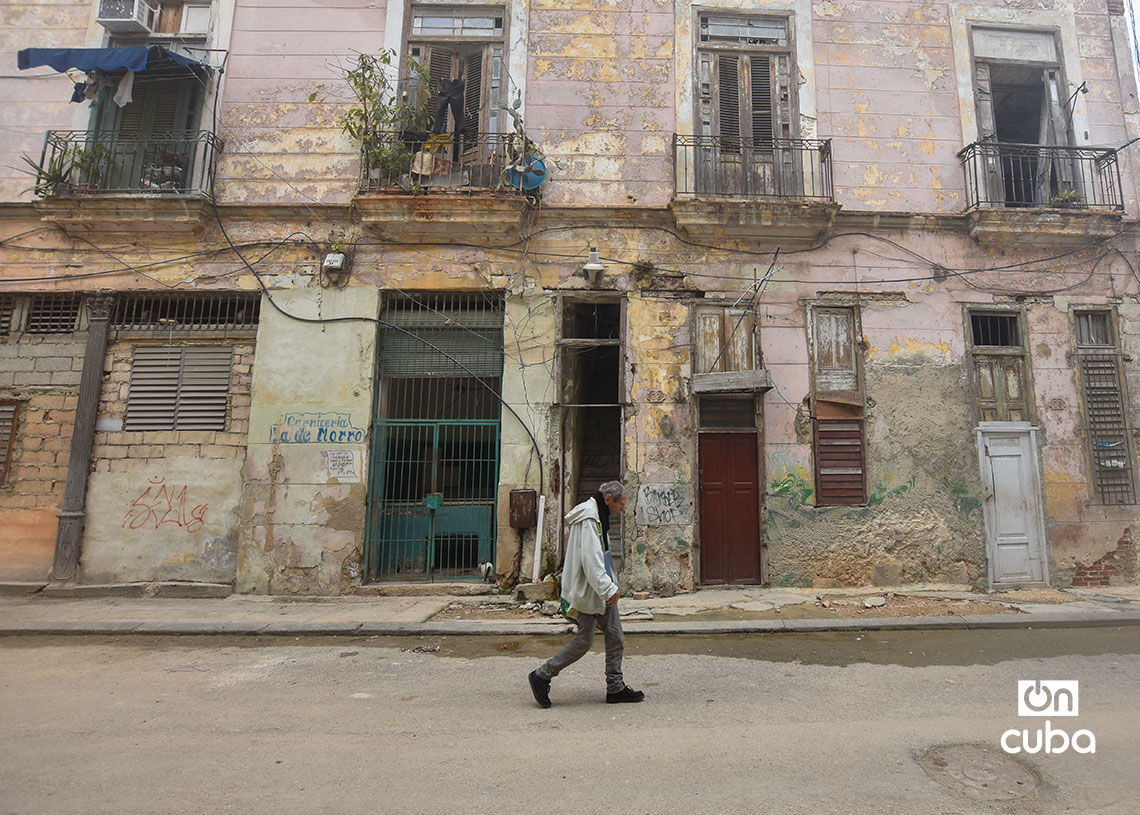
Although with its name it recalls one of the paradigmatic constructions of HavanaMorro Street is not exactly one of the best known in Havana’s historic center. Due to its location and small size it could pass unnoticed by many, but it supports a key stretch of the urban ring that faces the bay.
With just four blocks of travel, between the streets Trocadero and Cárcel —officially named Capdevila—, and parallel to the Paseo del Prado, Morro is not a street of large squares or iconic photos, but rather one more piece of the machinery that connects the heart of Old Havana with the maritime environment.
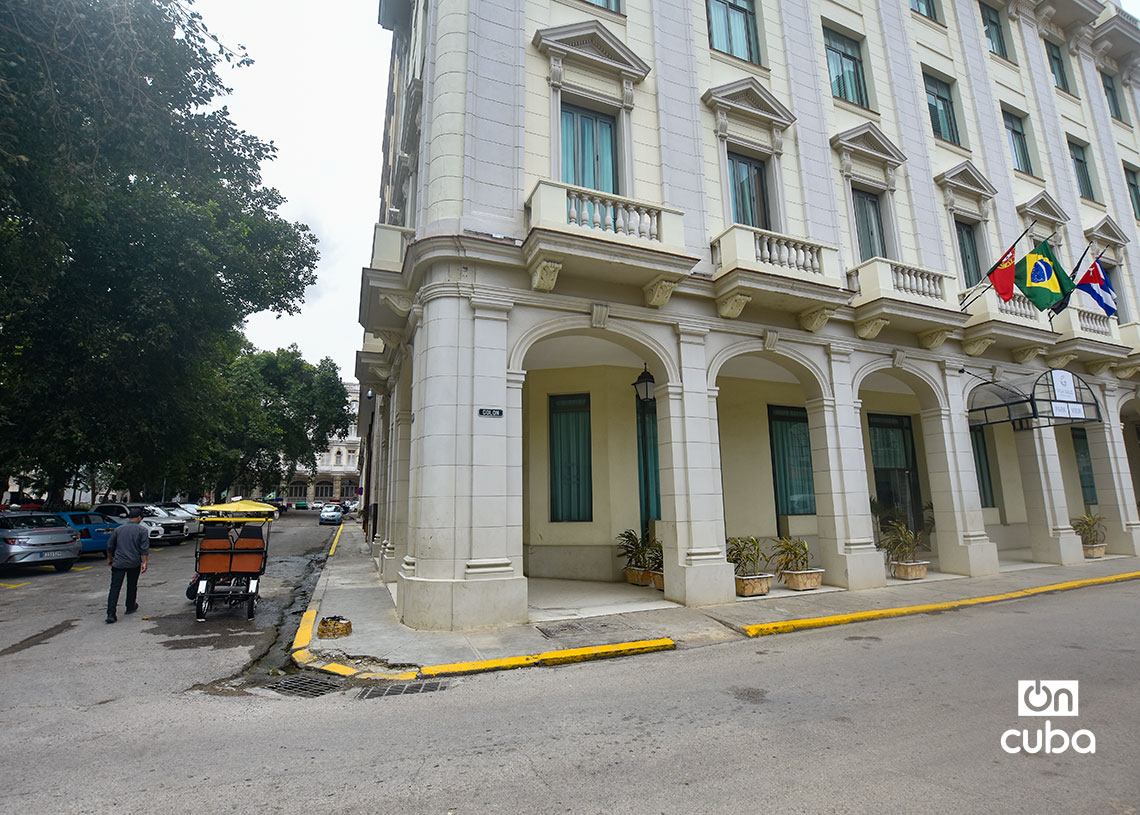
The name of this small street refers inevitably to the castle of the Three Kings of Morro, which has guarded the entrance to the port since the end of the 16th century. However, in it the weight of that history is not translated into warlike actions but into postal addresses, lodging places, restoration works and intermittent flows of neighbors and tourists who walk through the area.
This way It slides between republican buildings, recent hotels and old mansions converted into hostels. In its surroundings there are emblematic sites such as the Sevilla and Grand Packard hotels; the National Ballet School, the Spanish Embassy and the park that pays tribute to América Arias and the Abakuá who tried to rescue the medical students shot in 1871.
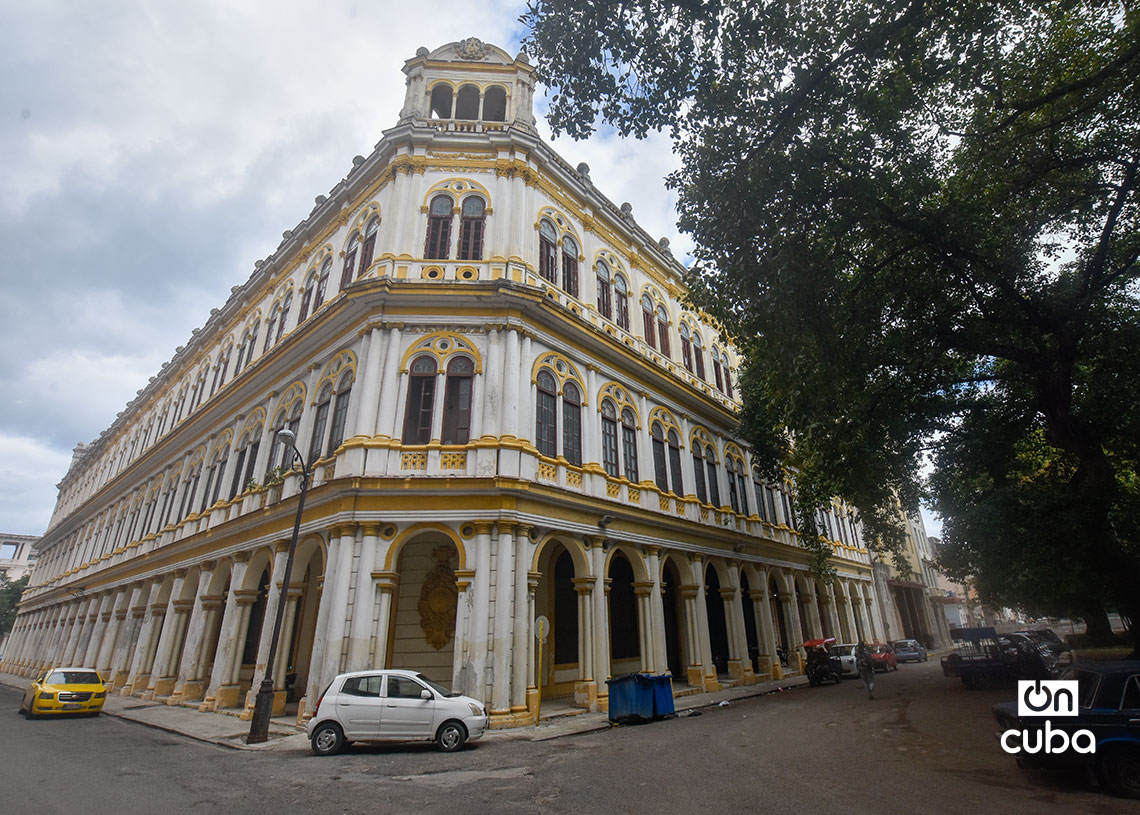
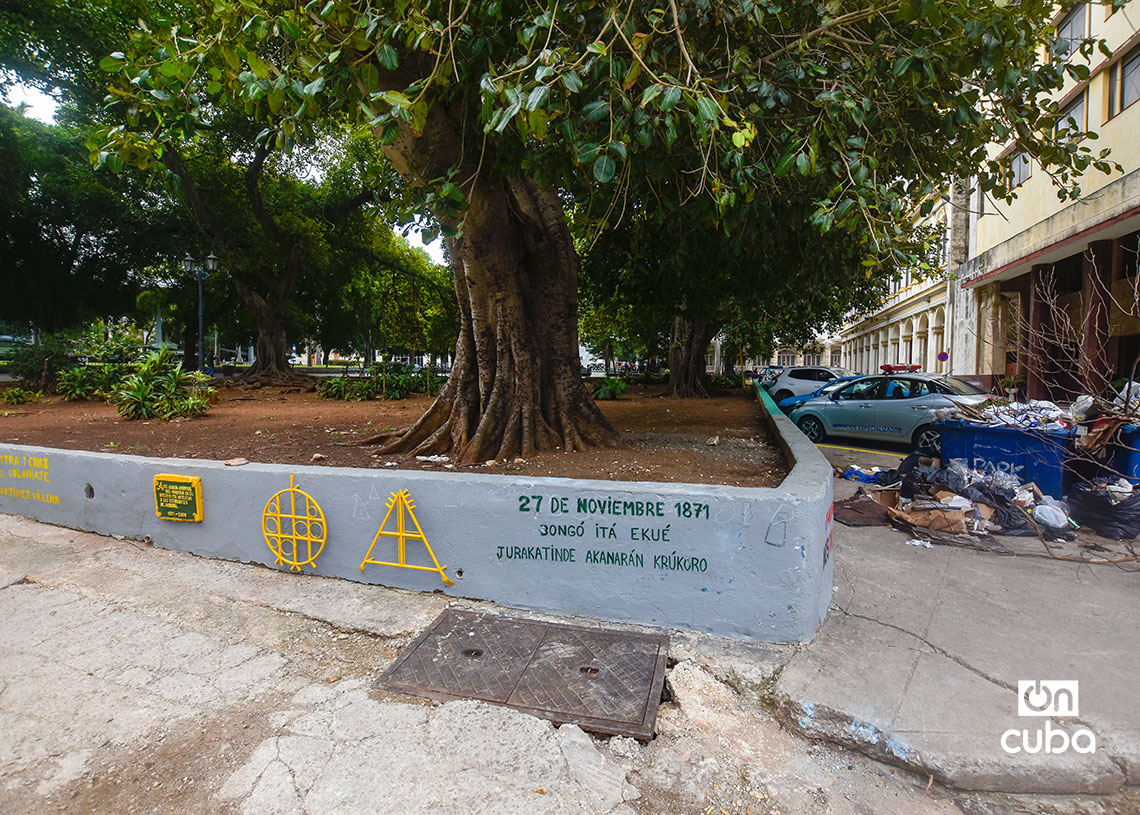
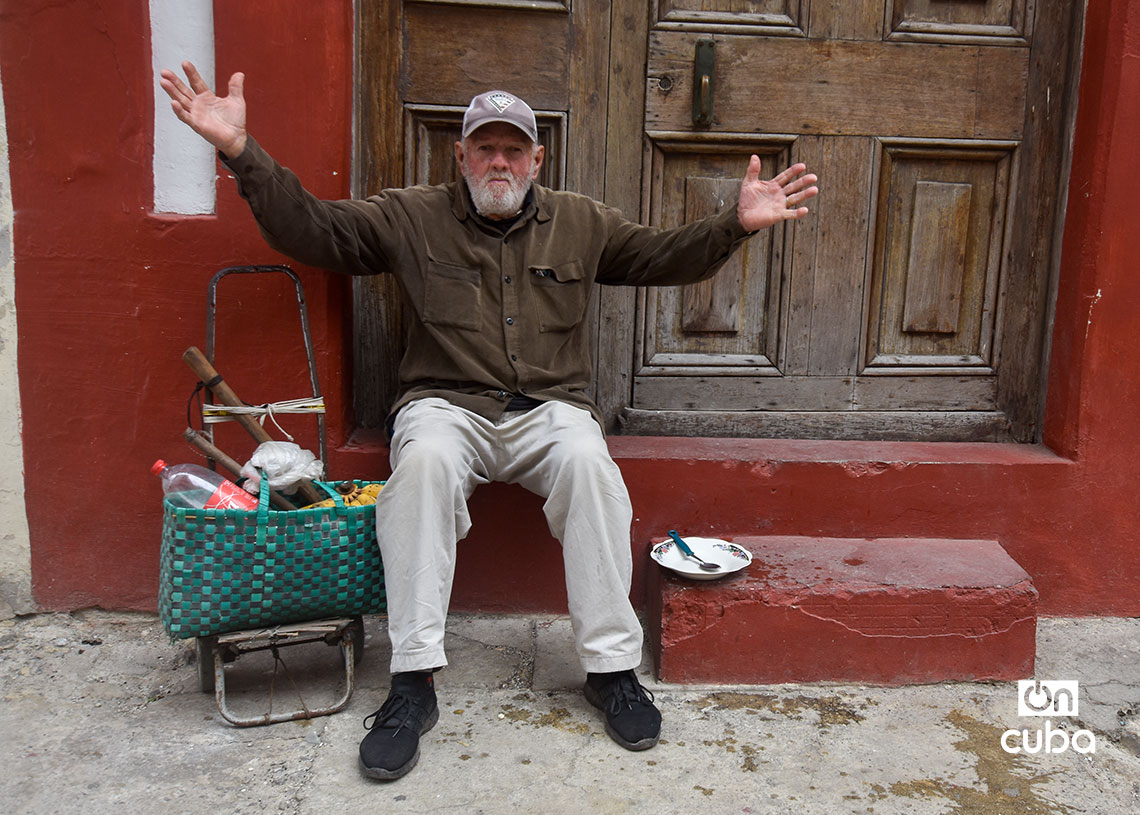
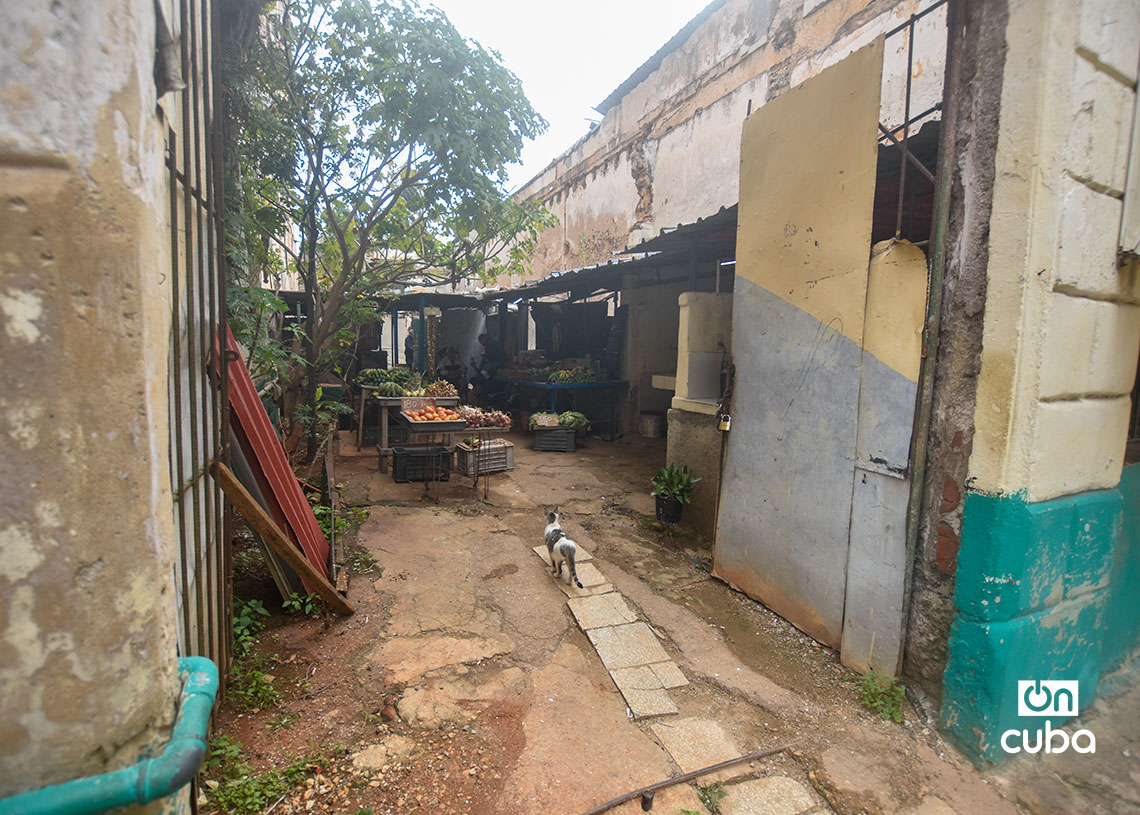
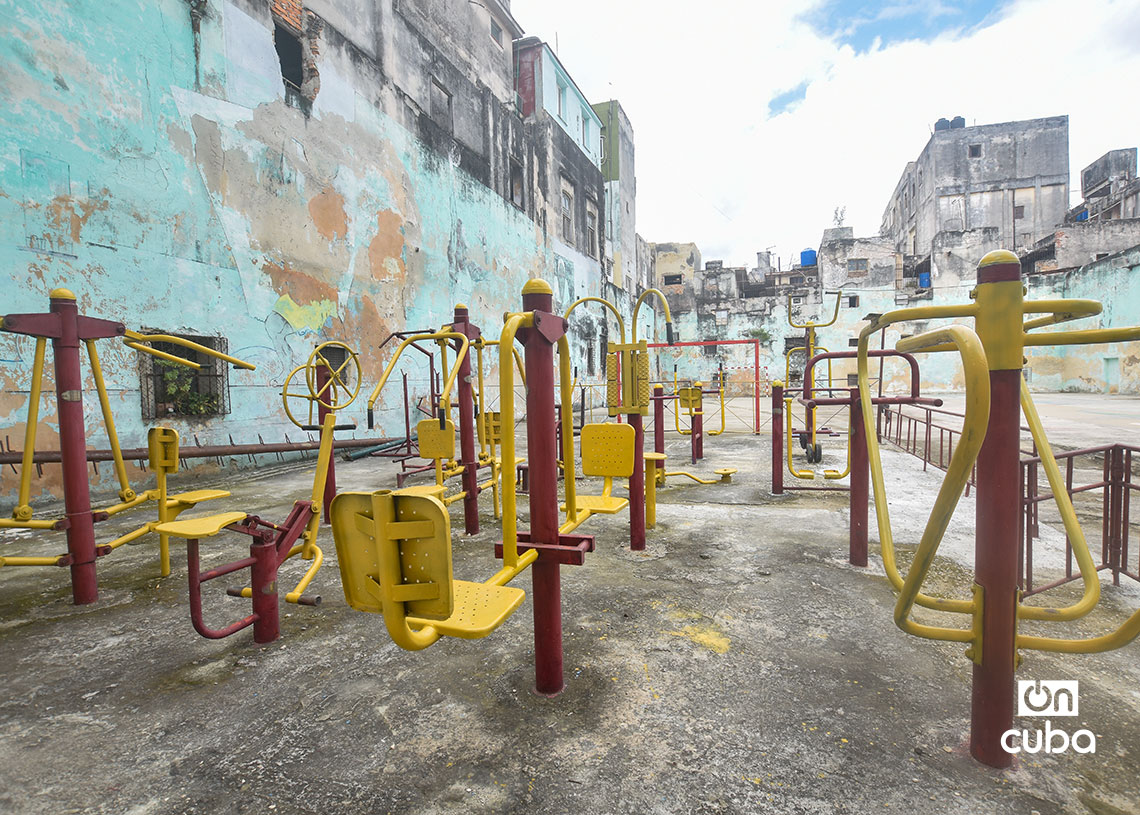
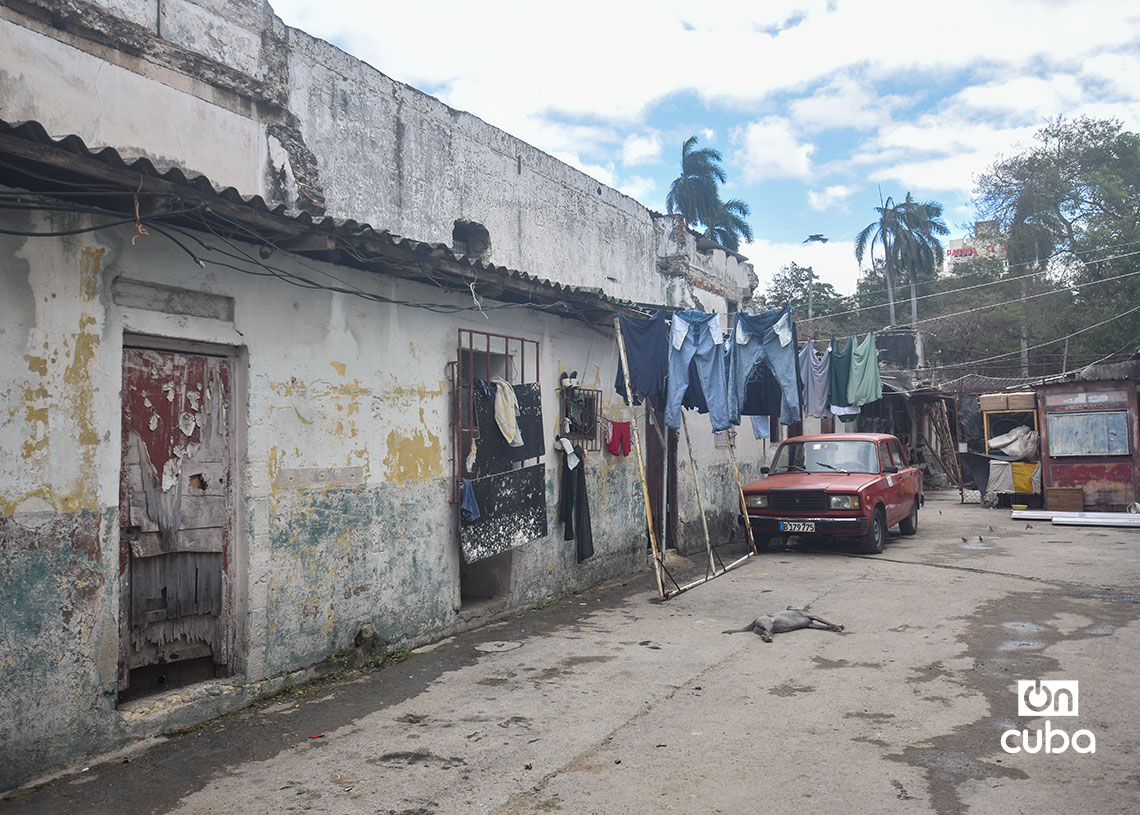
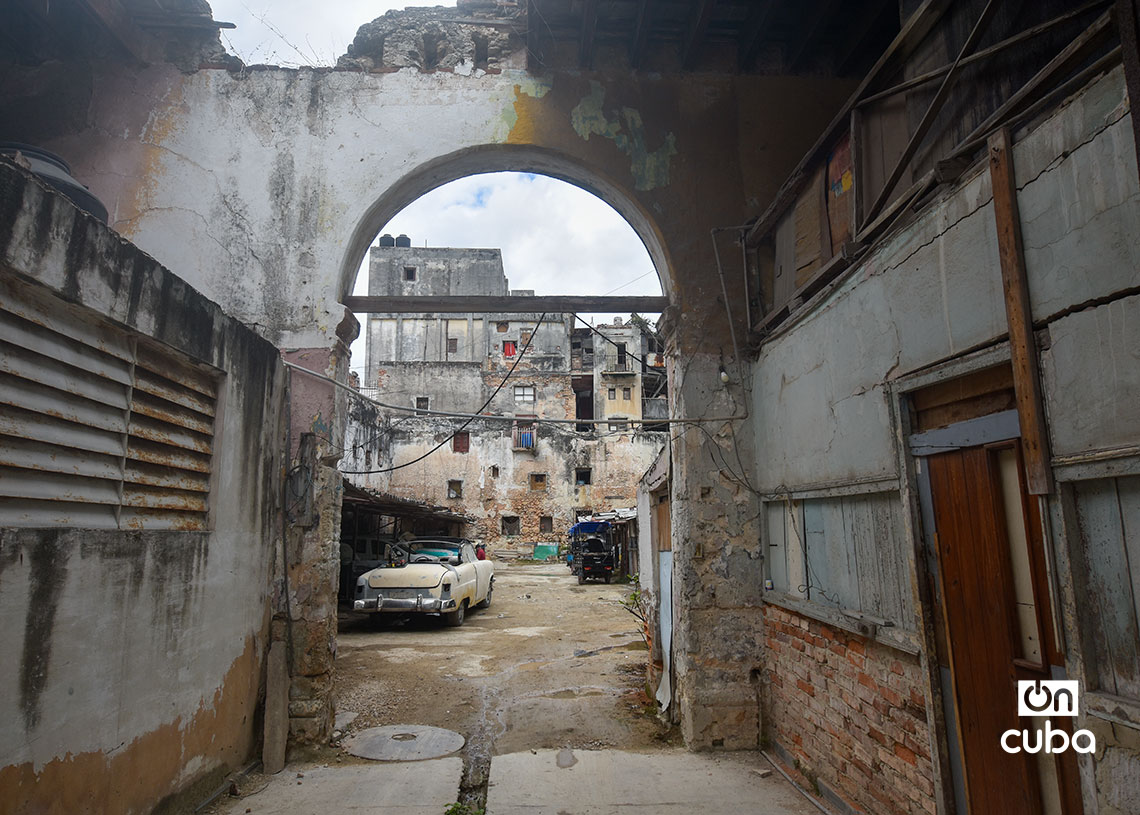
The severe economic crisis that Cuba is suffering has left its mark on this urban ring: demolished buildings, paralyzed works, restored sites that alternate with others that need attention, businesses and services hit by the fall in tourism and daily shortages.
In this tension between a historical and heritage environment and the material needs of daily life in Cuba, Morro Street summarizes, in small, the current condition of Old Havana: a space surrounded by its history and its landscape that tries to sustain itself in the midst of the crisis. This is how photojournalist Otmaro Rodríguez discovers it to us today through his images.