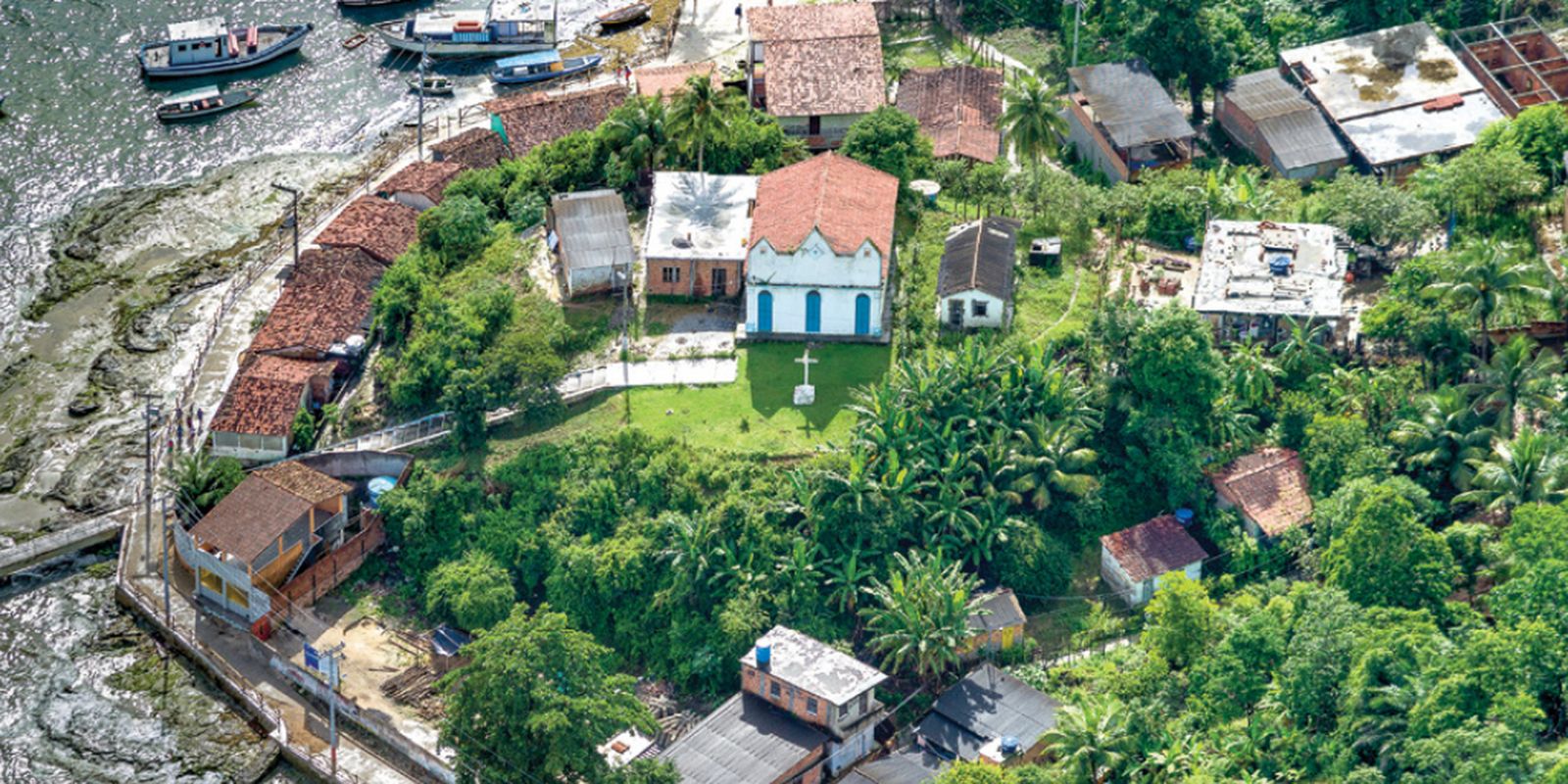
Ilha de Maré, a neighborhood that extends across one of the islands in Baía de Todos-os-Santos, in Salvador, was the site for a sustainable development project that benefited around 4 thousand residents in 12 communities, six of which are recognized as quilombolas.
The project, called Neighborhood Plans, and led by Salvador City Hall, sought to integrate community leaders, public authorities, universities and local organizations in a diagnosis and planning process.
The initiative sought to address social inequalities and propose solutions for the region’s development.
Quilombola fisherwoman Marizélia Lopes, resident of Ilha de Maré, emphasizes the relationship between nature and her economic activity.
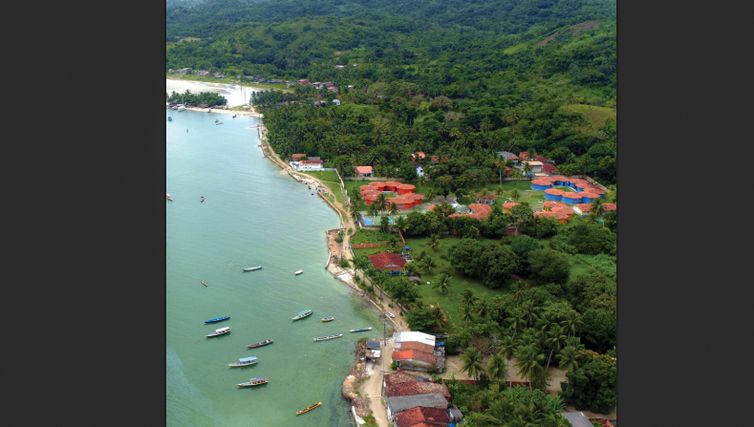
Maré island plan sought the integration of community leaders, public authorities, universities and local organizations – Photo: Nilton Sousa/City Hall of Salvador
“We don’t see nature just as a space for exploration, we have a relationship, we can’t dissociate what is nature from us, from our lives. So we are nature, right?”, he says.
Solution selection
The Bahian example is one of 16 projects that are part of a selection prepared by a partnership between the Brazilian government and the United Nations Human Settlements Program (UN-Habitat).
The idea is that the projects serve as inspiration for other developing countries, the so-called Global South.
Another selected initiative is developed in Recife and represents a nature-based solution. These are the Filter Gardens in Parque do Caiara.
Executed by the Recife Agency for Innovation and Strategy (Aries), an association linked to Recife City Hall, the project includes the implementation of a system of filtering gardens at the mouth of the Riacho do Cavouco, in an area of around 7 thousand square meters (m²), to treat water before reaching the Capibaribe River.
7,500 native aquatic plants were planted, forming a natural water filtration system.
The nature-based intervention also had positive impacts on the park, as perceived by region resident Gabriela Machado.
“Jardim do Caiara, opened and renovated, is a space that I can enjoy next to my house, a place in my region, that brings value to my region”, said Gabriela in a statement to the team that brought together examples of urban solutions.

Project includes the implementation of a system of filtering gardens at the mouth of Riacho do Cavouco – Photo: Giselle Cahú/CITinova
Urban symmetry
The selection work was carried out by the Urban Simetria Program, launched in 2023. In partnership with UN-Habitat, the Brazilian government is represented by the Brazilian Cooperation Agency of the Ministry of Foreign Affairs (ABC/MRE).
The public call allowed the registration of initiatives developed by local governments, public institutions, civil society organizations and communities.
The intervention areas are related to one of the 17 Sustainable Development Goals (SDGs), number 11, which deals with sustainable communities and cities, and encompasses themes such as housing, youth, urban mobility, participatory planning and gender equality.
Gender equality
The Marias na Construção program, from Salvador City Hall, combines gender equality, qualification and income generation for women in situations of domestic or family violence and other social vulnerabilities. In two years, more than 600 women graduated from the different courses offered.
Janaína dos Santos is one of the Marias na Construção students. “I’ve already finished one course now and I’m going to start two more. I learned a lot. I want to grow in the area. In the future, I want to take a technical course, if God allows me, go to college and be a great woman in construction”, she projects.
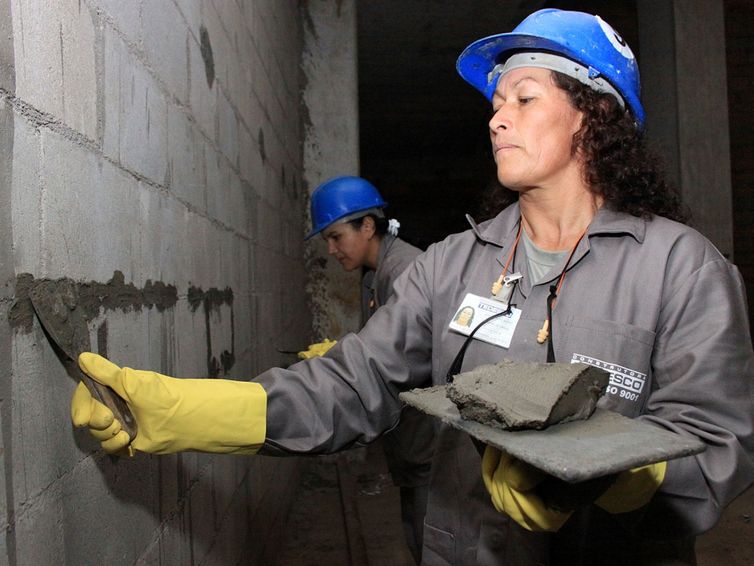
Marias na Construção Program, from Salvador City Hall, combines gender equality, qualification and income generation for women in situations of domestic violence – Forum: Tânia Rêgo/Agência Brasil/File
Inspiration
The goal of the partnership between Brazil and UN-Habitat is that similar challenges between countries in the Global South can be motivating for solutions already tried in Brazil to be exported.
For urban architect Laura Lacastagneratte de Figueiredo, program analyst at UN-Habitat, the publication Simetria Urbana seeks to transform good Brazilian practices into concrete tools for cooperation between countries in the Global South.
“By systematizing solutions that have already shown results, it expands the potential of these experiences as references for cooperation and as adaptable and inspiring models of public policies, capable of dialoging with similar realities”, he explains to Agência Brasil.
“The objective is to stimulate exchanges, joint projects and the strengthening of local capacities, helping to accelerate the implementation of effective sustainable urban development actions in different contexts”, adds the urban planner.
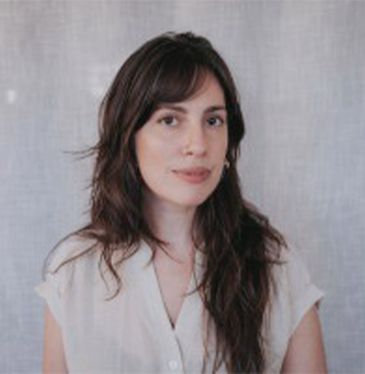
Urban architect Laura Lacastagneratte de Figueiredo – Photo: Personal file
Initiatives
The set of solutions collected throughout Brazil includes initiatives such as training young people from Ceará for socio-environmental projects; community centers in vulnerable territories in Recife; interior design for social housing, in Niterói (RJ); and development of electric-hydrogen hybrid buses, in Maricá (RJ), among others.
The complete list is available at program website.