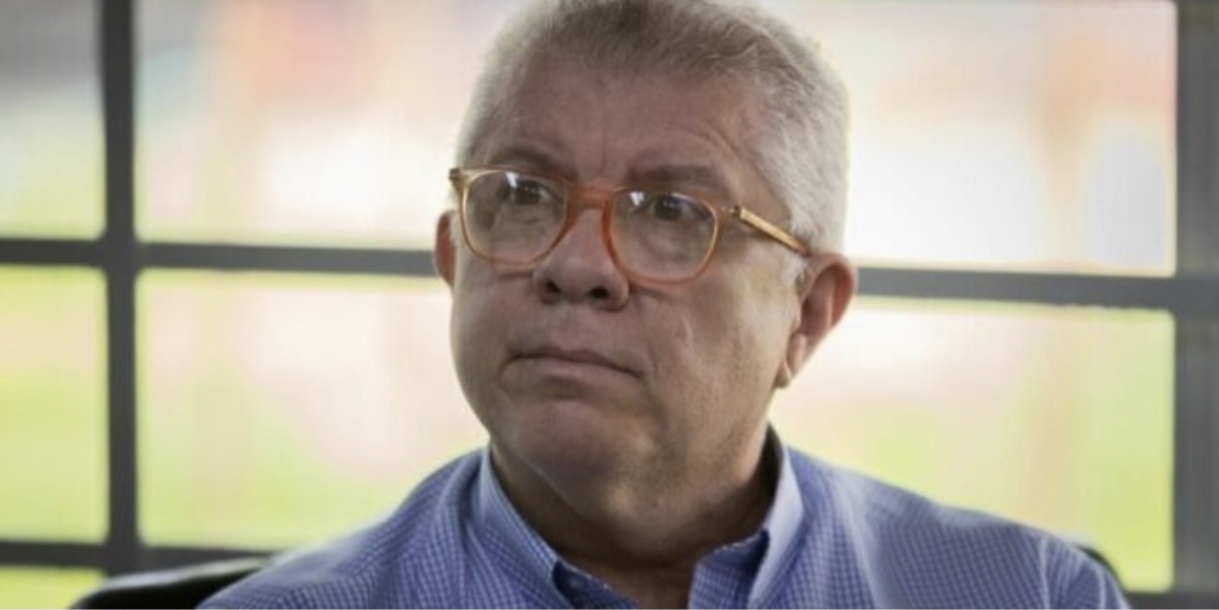
The dean of the Faculty of Legal and Political Sciences of the Central University of Venezuela (UCV), Juan Carlos Apitz, criticized this Friday the Amnesty Bill for Democratic Coexistence, which is under discussion in the National Assembly.
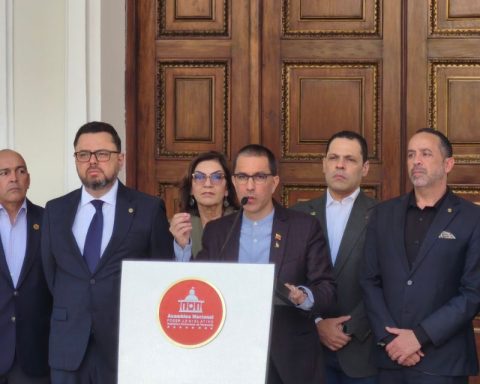
During a meeting of the Domestic Policy Commission, in which academic authorities from law faculties of universities in the country participated, Apitz requested that the text include the repeal of a series of regulations that he considers repressive and that limit basic civil rights.
He warned that the amnesty should not become a tool for impunity or an “opaque instrument” that leaves the rights intact. mechanisms of political persecution.
The professor expressly requested that the elimination of the Law against Hate (2017), the Simón Bolívar Law (2024), the NGO Supervision and Financing Law (2024), the Asset Forfeiture Law (2023) and the Comptroller’s Law (disqualifications) be considered.
He questioned the way in which the amnesty bill, approved in the first discussion, has been processed Thursday at the National Assembly without the full text having been widely disseminated.
“Yesterday an amnesty law was approved in the first discussion and we don’t know what they approved. Does anyone in this room know? Nobody raises their hand because nobody knows what they approved. The country wonders what they approved, and there is no answer,” Apitz said, in reference to a criticism shared by sectors of the opposition about the transparency of the legislative process.
Clear guarantees of non-repetition: an essential requirement for peace
The academic highlighted that the spirit of the amnesty must recognize the injustices suffered by those persecuted for political reasons and incorporate a dimension of reparation.
“This law has to apologize to our political prisoners. And not only forgiveness: it must contemplate reparation. These prisoners did not commit any crime and harm has been caused to them and their families,” he said.
Apitz He emphasized that the law must include guarantees of non-repetition, one of the essential pillars of any serious amnesty and transitional justice process.
“If this law intends to create a cloak of irresponsibility for those who ordered or carried out physical or psychological torture, cruel or inhuman treatment, or used the justice system to persecute – judges, prosecutors, defenders – then it will not generate reconciliation. What it will generate is indignation,” he expressed.
He insisted that a genuine amnesty must open the way to social and political peace in Venezuela, without erasing responsibilities for serious human rights violations committed in the midst of the country’s political conflict.
The discussion of the amnesty law takes place in a tense political situation, after the approval in the first discussion of the project by the National Assembly, as part of a process promoted by the interim president, Delcy Rodríguez, to promote “national reconciliation” after the capture of Nicolás Maduro by United States forces on January 3.