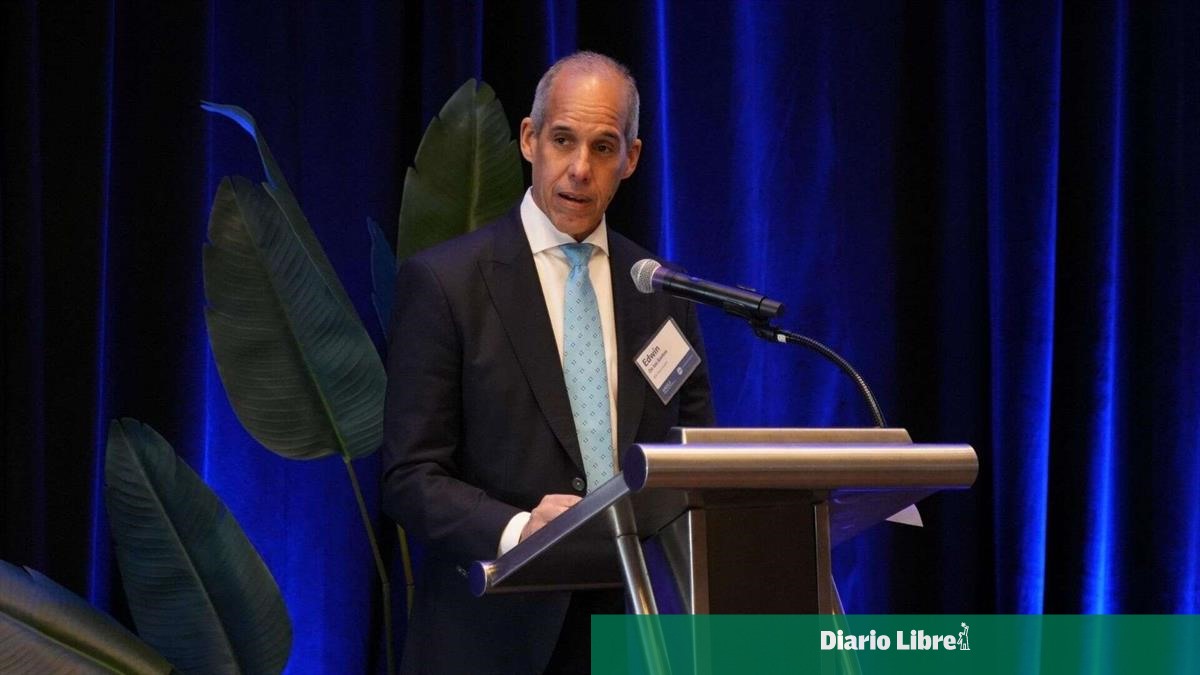
During the recent conference “Perspectives of the Americas” organized by the Association of American Chambers of Commerce of Latin America and the Caribbean (AACCLA) government and business leaders gathered at the conclave concluded that innovation and the rule of law are the key to growth, strengthening trust and integration in the face of a changing global trade.
Impact of the Americas Perspectives conference on the region
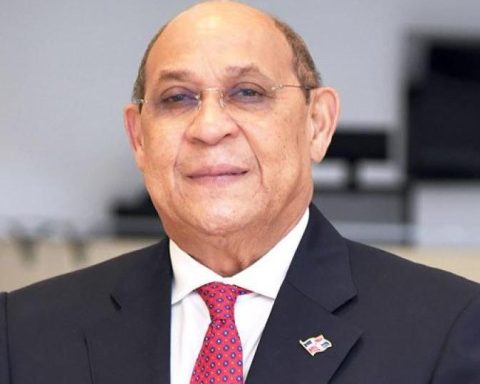
Edwin Delos Santos president of AACCLA During his opening speech he stressed that “the free trade and investment are essential drivers of growth and job creation in the Americas, but they can only realize their full potential when they are supported by the rule of lawclear rules and solid institutional frameworks that generate trust and attract long-term capital.
Likewise, the business leader, past president of the American Chamber of Commerce of the Dominican Republic (AMCHAMDR), was emphatic when pointing out that, in a context of profound changes in global trade, our opportunity is to position the western hemisphere not on the margins, but in the center of the new world economyas a reliable, competitive and integrated partner, based on shared values”.
Jointly, the business leaders of the Americas – De los Santos indicated – we agree on the need to confront the major trends that are redefining the business environment, among them the regulation of artificial intelligence and the digital ecosystem, ensuring that innovation advances hand in hand with protection of rights and standards interoperability.
- Likewise, we emphasize the importance of strengthening the energy security of the region, from hydrocarbons to renewable energiesas well as the development of critical minerals and the modernization of electrical networks, through stable policies and predictable that attract long-term investment.
Adding that the trade facilitation and regulatory convergence as key axes for growth, promoting the simplification of customs processes, the digitization and the reduction of non-tariff barriers, so that companies—especially small and medium-sized ones—can fully integrate into the value chains regional and global.
In this context, AACCLA plays a unique role, both as a space for articulation and as a network that represents the voice of the American private sector in the hemisphere, promoting dialogue, cooperation and practical solutions that promote economic growth and regional competitiveness.
During the day, several of the speakers also highlighted the importance of ensuring the supply chain resilience in the region as a way to guarantee the transparency and shield the regional economy in the face of political instability.
Participation of authorities and challenges of regional trade
The conference brought together 22 Chambers of Commerce Americans from 27 countries Latin America and the Caribbeanand includes companies that encompass more than 80% of the American investment in the region and had the participation of the Minister of Commerce and Industries of the Dominican Republic, Eduardo Sanz Lovatónand the Minister of Foreign Affairs of Bolivia, Fernando Aramayo.
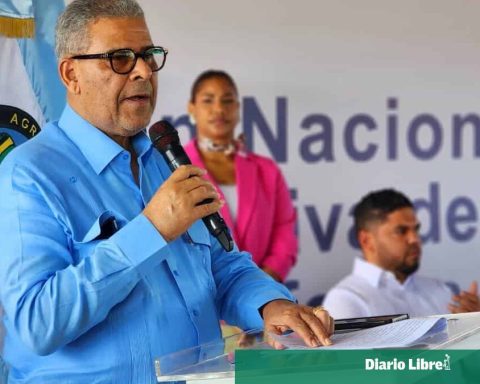
Likewise, AMCHAMDR was represented by its executive vice president, William Malamud. During his participation, Minister Lovatón addressed the Dominican Republic as one of the main investment centers of Latin Americahighlighting that the country competes on the basis of legal certainty and clear rules.
He highlighted the dynamism of commercial exchange with USAwhich reached US$18,977 million in 2025, as well as the growth of the foreign direct investmentwhich increased by 11.3% to reach US$5,032.3 million, and the strengthening of the country as a regional logistics hub, with a view to expanding nearshoring in advanced manufacturing and integrating into the value chain of the semiconductor industry.
- Other participations. The tariffs established by USA to the rest of the economies were often pointed out as one of the main challenges to regional trade, although the technology‘especially the artificial intelligenceas a method capable of reducing logistics costs and offset tax burdens by streamlining processes.
The deputy assistant secretary of the US Department of Commerce for the International Trade Administration for the Americas, Isabella Cascaranomaintained for his part the need to regional alliances to reduce dependence on Chica, which would help create a zone regional economy “richer.”
For his part, the Bolivian foreign minister, Fernando Aramayodefended his country’s role in energy securityfood security and the supply of critical minerals, and called on Latin America to take a step forward to ensure that it has a fundamental role in this century.
“Many analysts propose that the current century belongs to Asian countries and that the coming century belongs to African countries. Well, the challenge is to make the century also Latin American,” concluded the diplomat.