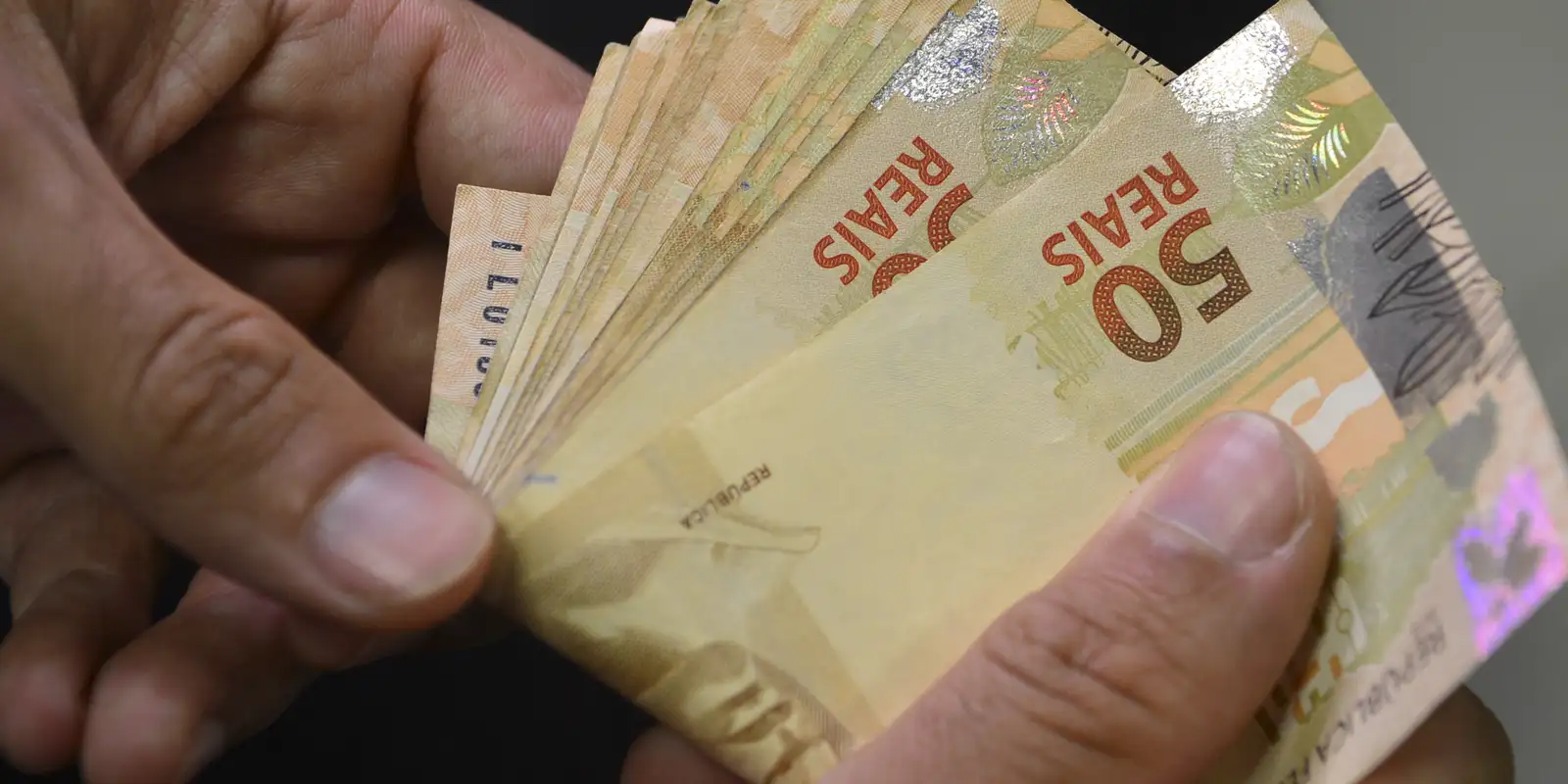
The investment balance in the savings account fell in January, with more withdrawals than deposits recorded. Outflows exceeded inflows by R$23.5 billion, according to a report released this Friday (6) by the Central Bank (BC).
Last month, R$331.2 billion were invested, against withdrawals of around R$354.7 billion. Income credited to savings accounts totaled R$6.4 billion. The savings balance is just over R$1 trillion.
In recent years, the passbook has recorded more withdrawals than deposits. In 2023 and 2024, net withdrawals were R$87.8 billion and R$15.5 billion, respectively. Last year, the negative savings balance reached R$85.6 billion.
Among the reasons for the withdrawals is the maintenance of the Selic – the basic interest rate – on the rise, which encourages investment in better-performing investments. In July last year, the BC’s Monetary Policy Committee (Copom) interrupted the interest rate increase cycle after seven consecutive increases in the Selic rate and, since then, has maintained the rate at 15% per year.
>> Follow the channel Brazil Agency on WhatsApp
The objective of the monetary authority is to ensure that the inflation target of 3% is achieved. When Copom increases the basic interest rate, the purpose is to contain heated demand; and this has an impact on prices because higher interest rates make credit more expensive and encourage savings.
In December, the rise in the price of app-based transport and airline tickets caused inflation to reach 0.33%, above the 0.18% increase recorded in November. The result made the Broad National Consumer Price Index (IPCA) – considered the country’s official inflation – accumulate an increase of 4.26% in 2025.
In the minutes of the Copom meeting, the BC confirmed that it will begin reducing interest rates at the next collegiate meeting, in March. However, the municipality did not indicate the magnitude of the cut and clarified that the Interest rates will remain at restrictive levels.