Havana/The verbal tension between Washington and Havana escalated again this Thursday after the White House responded harshly to the most recent statements of the Cuban ruler, Miguel Díaz-Canel. From the headquarters of the US Executive, it was insisted that there are ongoing contacts between both countries and a direct warning was issued to the regime: “The Cuban Government is on its last legs and the country is about to collapse”, so it should be “prudent” in its messages addressed to the president of the United States.
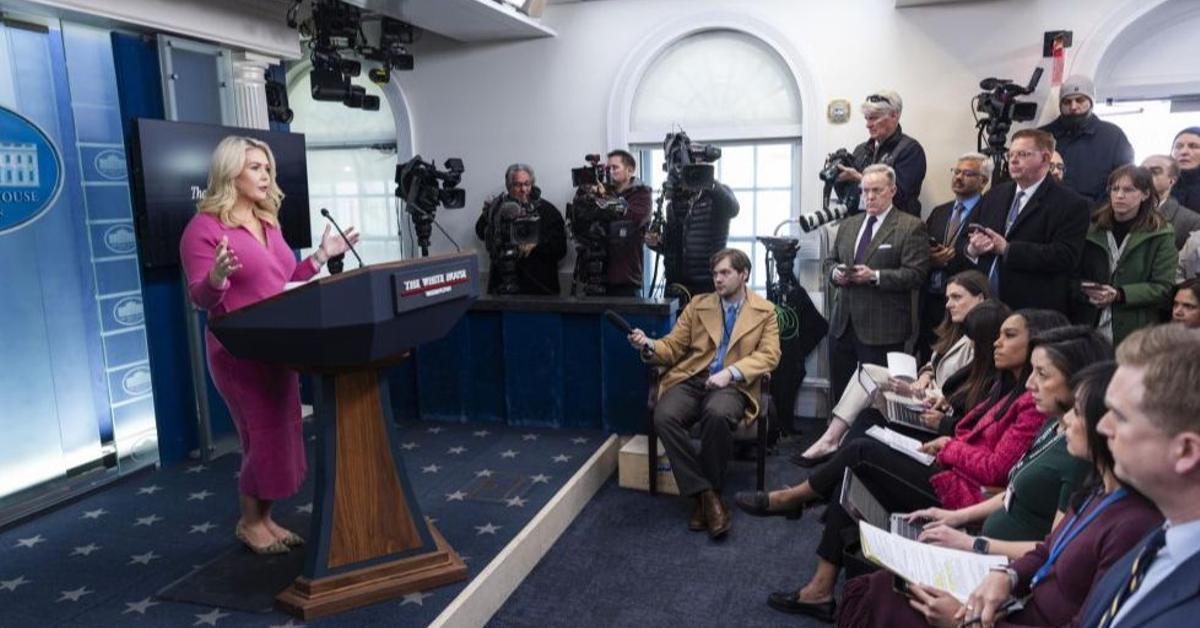
The presidential spokesperson, Karoline Leavitt, stated in a press conference that the Donald Trump Administration maintains diplomatic channels with Havana open, despite the fact that the Cuban Government continues to deny the existence of formal negotiations. “As I have already reiterated, President Trump always has a willingness to bet on diplomacy, and I believe that this is something that in fact is already taking place with the Cuban Government,” declared the official, when asked about the public positions of the Island’s Executive.
Leavitt responded directly to Díaz-Canel, who hours before had once again denied official contacts with Washington, although he reiterated his Government’s willingness to dialogue “without pressure.”
The exchange of statements coincided with the announcement of a new humanitarian aid package for the Cuban population. The United States will send additional assistance valued at six million dollars, in a context marked by increasingly prolonged blackouts, fuel shortages and an accelerated deterioration of living conditions on the Island.
Lewin also criticized acts of intimidation against the American chargé d’affaires in Havana, Mike Hammer.
This was confirmed by Jeremy Lewin, Undersecretary of State for Foreign Assistance, Humanitarian and Religious Freedom Affairs, during an appearance at the Donald J. Trump Institute of Peace. Aid will be coordinated in the coming weeks and will be directed mainly to the eastern provinces, with distribution in Santiago de Cuba and Holguín.
Lewin explained that the Cuban regime continues to show reluctance to recognize the real magnitude of the crisis and to allow direct delivery of aid, which is why Washington will once again resort to intermediaries, as happened with a previous shipment of three million dollars. “Once again we will go to third parties to distribute it among the most needy population,” the official told Martí News.
The announced package includes foods that do not require refrigeration – cans of tuna, beans, rice and pasta –, hygiene products and solar lamps, among other basic items, designed for a scenario of prolonged energy collapse. Lewin highlighted the “excellent” work carried out by Cáritas, which has distributed aid “door to door” in communities affected by Hurricane Melissa, a model that Washington aspires to replicate.
The undersecretary denied, however, that there are conversations with Havana specifically about humanitarian aid and avoided commenting on the contacts that President Trump and the White House have repeatedly referred to. He did express concern about the possibility that the regime may try to politicize assistance and called for humanitarian organizations to be allowed to operate without interference.
Lewin also criticized acts of intimidation against the US chargé d’affaires in Havana, Mike Hammer, who has directly supervised the delivery of aid in different parts of the country. According to the official, these episodes confirm the regime’s hostility even in the face of initiatives of a strictly humanitarian nature.
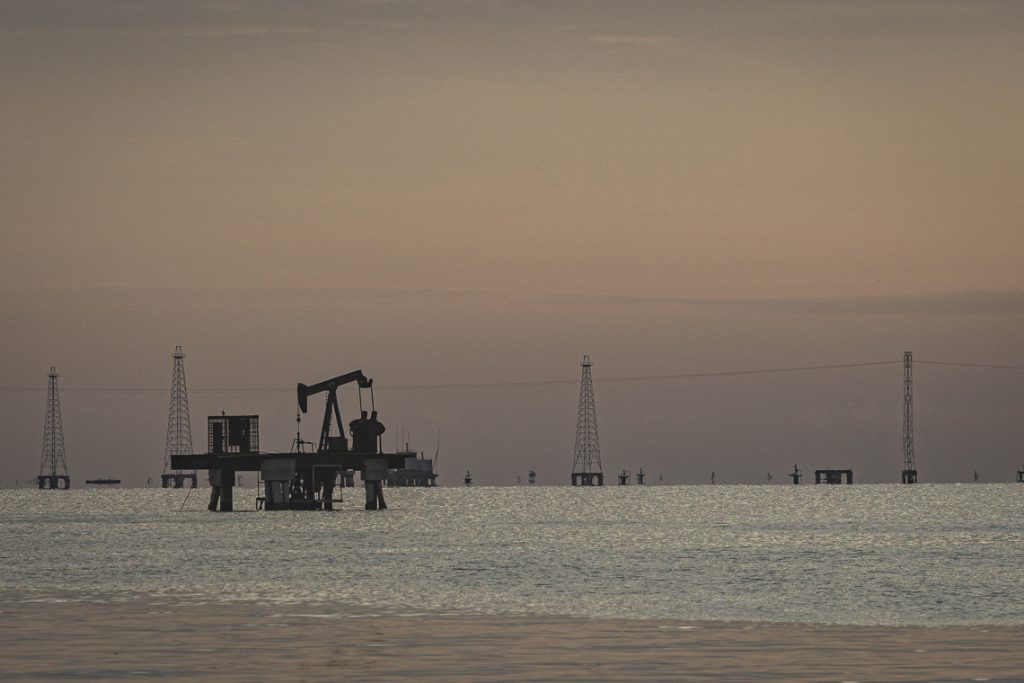
Havana benefited from shipments of Venezuelan crude oil and maintained – until January 3 – a relationship of “colonial” dominance over Caracas.
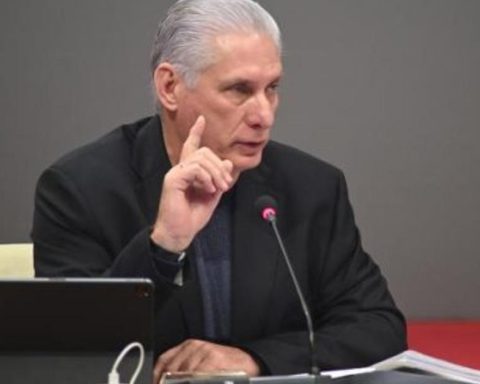
The US statements contrast with the tone used by Díaz-Canel hours before, when he warned that Cuba is preparing for a scenario of “acute fuel shortages” and announced the update of guidelines to face a possible energy paralysis. “They will be measures that will require efforts. If we do not sacrifice and resist, what are we going to do, are we going to surrender? The option of surrender is not Cuba’s option,” said Raúl Castro’s successor, appealing again to the rhetoric of sacrifice.
From Washington, the reading is very different. Lewin stressed that Cuba is going through a humanitarian crisis caused “solely by the regime itself,” which he accused of structural inability to guarantee the minimum needs of the population. He recalled that, for decades, Havana benefited from shipments of Venezuelan crude oil and managed to maintain – until January 3 – a relationship of “colonial” dominance over Caracas.
In this context, the US official publicly wondered what happened to the profits obtained from the resale of Venezuelan oil to Asia and what was the fate of the multi-million dollar reserves controlled by the military conglomerate GAESA. Faced with criticism about the impact of the tightening of sanctions and the blockade on fuel shipments, Lewin responded that blackouts have been affecting the Island for years and that the regime has not prioritized the maintenance of power plants or key sectors such as sugar, tobacco or nickel.