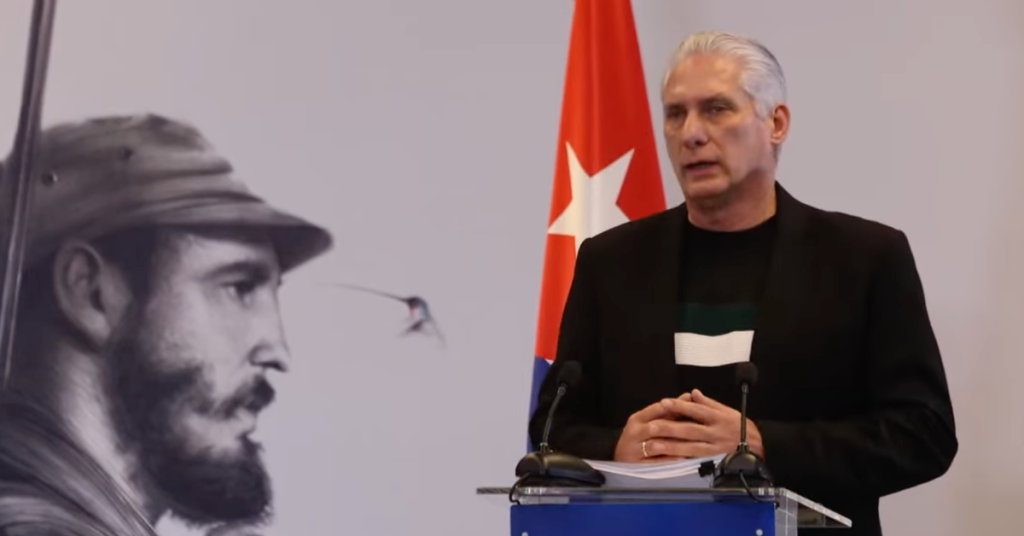
The president of Cuba, Miguel Díaz-Canel, confirmed this Thursday that the island has not received fuel from abroad since last December due to pressure from the United States.
“It is condemnable that a power (…) assumes such an aggressive and criminal policy” towards a small country, Díaz-Canel stated in an unusual televised intervention before the country’s official media and some selected foreigners.
| President @DiazCanelB:#Cuba she is not alone. At a time like this there are many people, governments, countries, institutions, companies that are willing to work with Cuba, and that have already sent us ways, mechanisms, intentions on how to do it.
| https://t.co/PcAxQmypF5 pic.twitter.com/XHftXOReeq
— Presidency Cuba (@PresidenciaCuba) February 5, 2026
The president assured that the oil blockade will have serious consequences in the country, for which a series of emergency measures are being implemented that will “demand efforts.” “It is completely suffocating us,” he added.
“If we don’t resist, what are we going to do? Are we going to surrender?” Díaz-Canel asked himself.
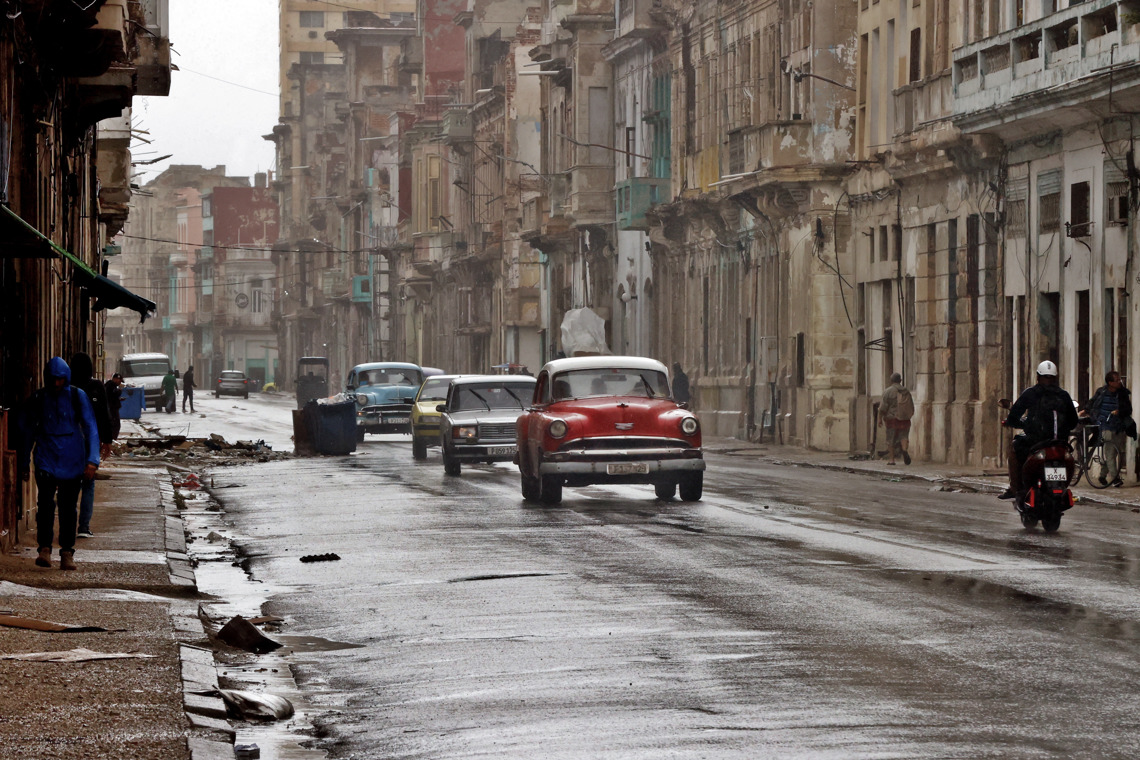
He highlighted that the US “energy blockade” will mean “affecting food transportation, food production, public transportation, the operation of hospitals, institutions of all kinds, schools, the production of the economy, tourism…”.
Given this scenario, the president added that the Government adopted a series of emergency measures that take as a reference the “indications” of former President Fidel Castro during the so-called Special Period, due to the depression that the fall of the Soviet bloc meant for the island.
Díaz-Canel returned to the concept of the “zero option”, the survival plan proposed in the nineties in the face of the “zero oil” scenario. This involved extreme rationing, food self-sufficiency, the use of animal traction, charcoal for cooking, and non-motorized transportation, among other measures.
They are contemplated (some of those measures), also updated because there are different situations in these directives,” added the president.
The Cuban president announced that “in the coming days” “more details of the content of the measures” will be announced.
“Even though there is an energy blockade, we do not give up receiving fuel in our country. We are taking all the steps so that the country can have fuel income or fuel supply again,” he remarked.
Another partial collapse of the Electrical System leaves eastern Cuba in darkness
The US military operation in Caracas on January 3, which culminated in the capture of President Nicolás Maduro, meant for Havana, in addition to the blow to a key regional ally, the end of vital energy supplies for the island.
Different experts estimate that of the 110,000 barrels of oil per day that Cuba needs to satisfy its energy needs, Venezuela contributed about 30,000 in 2025.
US President Donald Trump took another turn of the screw by signing a presidential order on January 29 that threatened trade tariffs on all countries that supplied oil to the island.
The Cuban expert Jorge Piñón, a specialist at the Energy Institute of the University of Texas (USA), estimated that EFE that, if it did not receive new oil shipments, Cuba would be in a “serious crisis” by March.