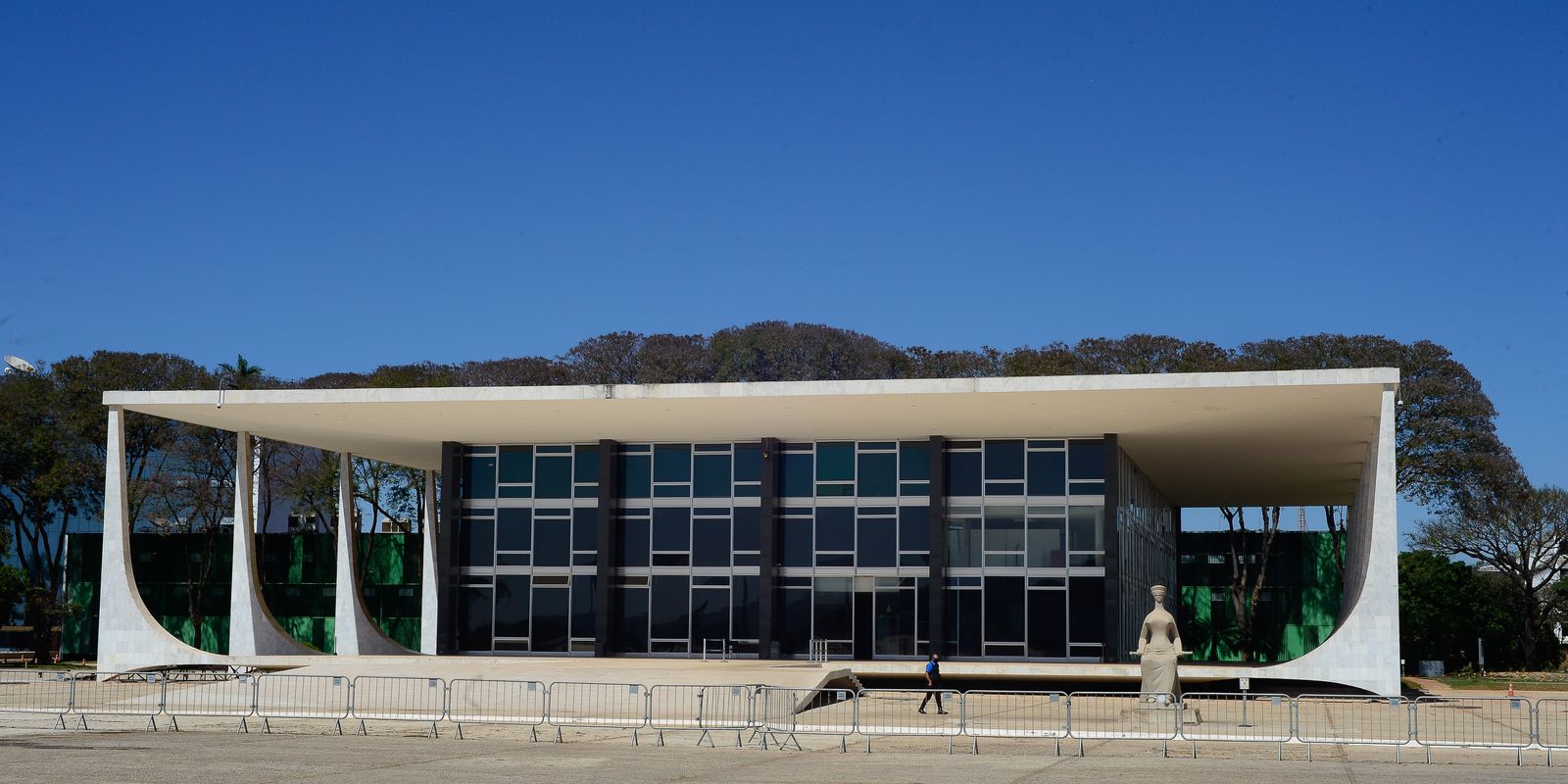
The Federal Supreme Court (STF) scheduled the start of the trial that will decide whether the Amnesty Law can be applied in cases of body concealment that occurred during the military dictatorship for February 13th. The case will be judged by the virtual plenary of the Court. 
The Court will decide the scope of the law, which granted amnesty for crimes committed between September 2, 1961 and August 15, 1979.
“According to the understanding of the Inter-American Court of Human Rights (IACHR), forced disappearance must be treated as a permanent crime, that is, it cannot be subject to amnesty.”
Based on this understanding, the STF will decide whether the Amnesty Law, which eliminated the punishability of crimes that occurred before its entry into force, can be applied to avoid the punishment of State agents who were responsible for forced disappearances during the period of exception.
The case that motivates the discussion deals with the complaint filed in 2015 by the Federal Public Ministry (MPF) against the Lício Army soldiers Augusto Ribeiro Maciel and Sebastião Curió Rodrigues de Moura (deceased) on charges of hiding a corpse and homicide committed in the Araguaia Guerrilla.
The STF ministers will judge an appeal to overturn the first instance decision that rejected the MPF’s complaint against the military. The decision applied the STF decision, taken in 2010, which validated the broad application of the Amnesty Law.