BBVA Research highlighted that President Trump has implemented an aggressive strategy against migrants, which includes the militarization of the border, the increase in raids inside the country and the end of various immigration amnesties.
The above has discouraged and reduced the arrival of new migrants, thus causing the arrival of less foreign currency. In 2025, U.S. Immigration and Customs Enforcement deported 320,000 migrants, the highest number in the last 12 years, although still below levels seen between 2008 and 2013.
“There is an additional issue in which some people are anticipating that conditions may worsen and decide to maintain some savings and not send remittances at this time,” Rodríguez said.
Gerónimo Ugarte pointed out that the lowest employment dynamism occurred in sectors that employ migrant labor such as manufacturing and construction.
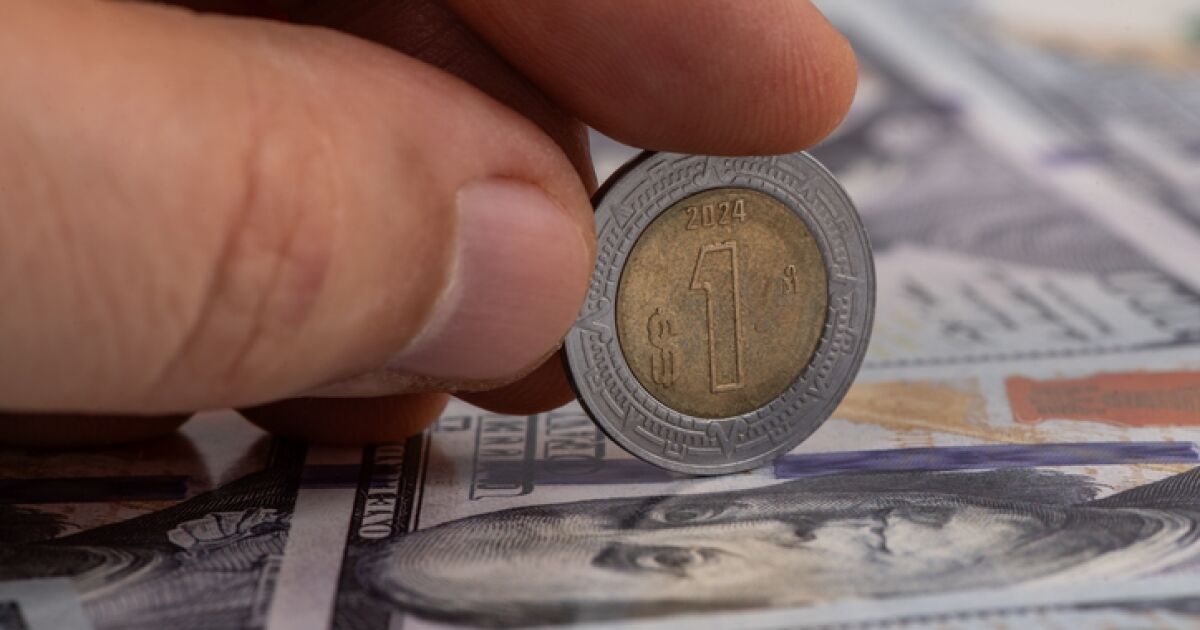
A third point, no less important, is the behavior of the exchange rate. The Mexican peso has maintained a better performance against the dollar, causing the money that Mexicans received to be less. In January 2025, the exchange rate was 20.56 pesos per dollar and at the end of the year it was 18.11 pesos.
“The Mexican peso was one of the currencies that gained the most ground during 2025,” BBVA Research noted in a report. “If this appreciation of the Mexican peso continues or is maintained in 2026, a reduction in the purchasing power of households receiving remittances could be observed by 15%.”