The Law 176-07 of the National District and the Municipalities established the figure of the Municipal Participatory Budget (PPM), through which the population can participate in the discussion, preparation and monitoring of the planning of the resources of their demarcation. However, only 8% of mayorships of the country effectively complied with that tool.
Of the 158 municipalities that the Dominican Republic has, only in 13 of them did their local governments completely exhaust the PPM cyclereflecting 100% in the readiness indicators, social participationallocation of funds and accountability for the period 2025.
Neither the mayorships of the Greater Santo Domingo nor that of Santiago fully complied with all the indicators of the toolbeing Peter Brand the worst of all, as evidenced by the Public Administration Monitoring System applied to Local Governments (Sismap Municipal).
The municipalities of BánicaMella, Luperón, Licey al Medio, Baní, Villa González, Los Ríos, Jamao al Norte, Sánchez, El Cercado, San Francisco de Macorís, Partido and Cayetano Germosén were the only districts whose mayorships presented complete evidence and validated from the PPM, ensuring the transparency and its correct execution.
This was communicated by the Dominican Municipal League (LDM) in response to a request for Free Diary, in which it highlights that in addition to complying with the toolthe mayorships of BánicaMella, Luperón, Licey al Medio, Baní and Los Ríos give continuity to the application and execution of this, covering all quarters and including a gender focus and vulnerable groups.
Low score
More than 100 mayorships present a low level compliance in various indicators of the Sismapincluding 7.01 (stages of social participation in the process of assigning Participatory Budget), 7.02 (granting of funds and monitoring mechanisms of the PPM in the budget municipal) and 7.03 (accountability of what was committed), registering scores equal to or less than 60%.
The town halls of Foundation (14.1%), The Ponds (18%), Sabana de la Mar and Salinas (20.4%) appear as those of worst score in the fulfillment of the Participatory Budget.
“This result shows significant weaknesses in the implementation of the fundamental components of Participatory Budgetreflecting failures in the planning, execution and monitoring processes of decisions agreed upon with citizens,” declared the Municipal League.
No legal consequence
A source from the municipal area explained that the lack of execution of the tool on the part of the mayorships can lead to legal consequencesalthough not directly.
-
“It depends on how and why it is not executed. For example, neither Law 176-07 nor its reform by Law 75-25 expressly classify the simple fact of not executing the Municipal Participatory Budget as an autonomous crime. However, there can be a moral sanction, led by the municipal monitoring and control committee and, perhaps, a civil one, but indirectly,” he indicated.
He added that if the city council approves the investment plan municipal and does not execute the works without justified cause, observations could be generated from the Chamber of Accounts and, therefore, negative reports management.
“That is, the committee does not punish, but could activate the control mechanisms (Comptroller and Chamber of Accounts),” said the source, who preferred anonymity.
According to the LMD, the lack of surrender of quarterly accounts, the absence of evidence of financial execution, the non-formation or inactivity of the monitoring committeea social participation incomplete or without documentary support and information uploaded after the deadline or incomplete are the main elements that fail to comply with the mayorships.
What people ask for
He Participatory Budget look for the community interventionespecially regarding the 40% of the transfer that the municipalities of the budget national, funds that should be allocated to capital expenditure.
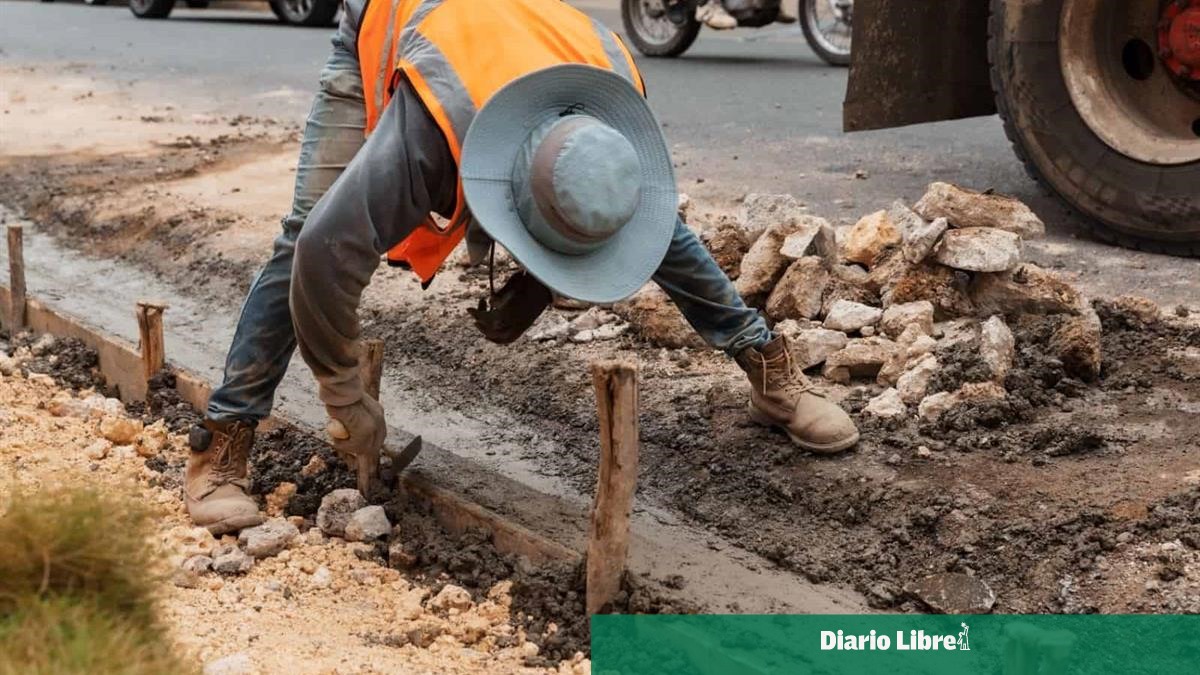
The infrastructures most requested by the communities in the PPM are the street arrangement, paving and parking, the sidewalk construction and curbs and the improvement of alleys and rural sections.
These are followed by the solutions of storm drainage in vulnerable sectors to floods, ravines and mitigation works of runoff, as revealed by the Municipal League.
The community centersparks and recreational areas, the public lighting and road signs, maintenance of existing infrastructure, renovations of public institutions for collective use and works to vulnerable groups (multi-use spaces close to communities with high rates of deprivation) complete the list of requests made by the municipalities.