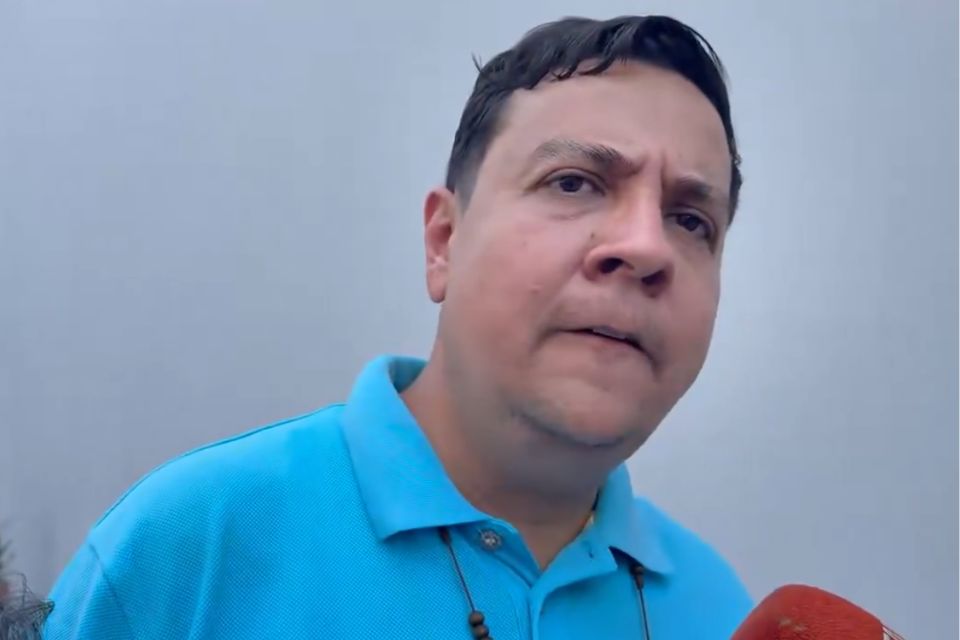
Human rights defender Javier Tarazona said he was “very moved” by the stories he learned during his captivity, especially, he said, about the “people not visible in the media but who suffer.” He stated that it is necessary to recognize “that in Venezuela the system, the judicial apparatus, has been used to punish, but not to correct.”
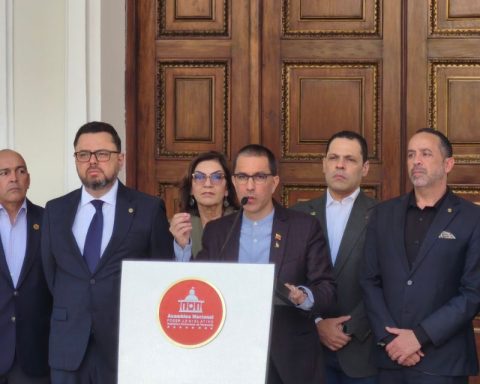
The director of Fundaredes, Javier Tarazona, assured this Sunday that one of the great tasks with the amnesty law, proposed by Delcy Rodríguez, is to achieve justice for thousands of detainees, whether for common crimes or political reasons, and to guarantee the non-repetition of serious human rights violations in the country.
“One of the great steps to reconcile is to achieve justice… Venezuela longs for reunion, and that reunion then demands that discriminatory policies, punishment, a number of laws that they do is not follow,” express Tarazona to several journalists in the vicinity of the Church of La Candelaria, in Caracas, after being released this Sunday morning.
The activist said he was “very moved” by the stories he learned during his captivity, especially, he said, about the “people not visible in the media but who suffer.”
“The freedom of one is the hope of all,” he asserted.
In the opinion of the director of Fundaredes, there is “a lot of hope” in the message of amnesty that Rodríguez promised last Friday. He said he will do his “commitment” to guarantee justice.
“I come away very moved by the stories I learned. Of many who are invisible to the media, who are there, in that dark place. I want to take the Amnesty proposal at their word so that an answer can be given,” he says. @javerterazona upon leaving El Helicoide, where… pic.twitter.com/Qqj5xo5MMC
— Idania Chirinos (@IdaniaChirinos) February 1, 2026
«I agree that an answer can be given. Today there are 84 thousand mothers like mine, who are here by my side celebrating and giving thanks that their children are in captivity. There are hundreds of thousands who have procedural delays… Deplorable conditions, but in addition we have, due to the procedural delay, hundreds of prisoners who have served their sentence and with a bad sentence, with one, two or three years with a served sentence and the system has not given them freedom, “said the lawyer.
Regarding the closure of Sebin Helicoide, where he was held for four years and seven months, Javier Tarazona expressed that this does not solve the problems that the Venezuelan judicial system is going through.
“I believe that the problem of Venezuelan justice, or of Venezuelan injustice, is not resolved by closing El Helicoide, it is wonderful that this place does not exist, but there are many places, even worse than that space… It is about recognizing that in Venezuela the system, the judicial apparatus, has been used to punish, but not to correct,” he stated.
Non-repetition, pointed out the director of Fundaredes, «is that we can correct, that we can transform the reality that the country experiences is something different, into something different. Non-repetition involves recognizing and overcoming traumas, because otherwise obviously future generations will continue (these mistakes).”
Javier Tarazona talks about his confinement
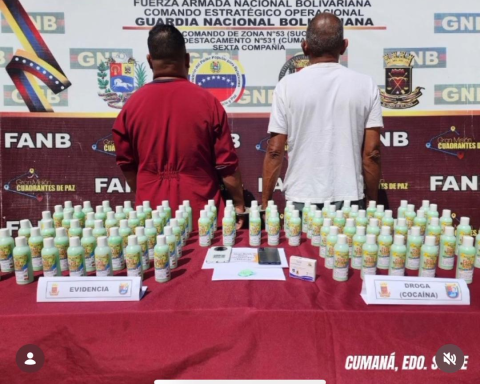
The director of Fundaredes was arrested on July 2, 2021 when he went to the Prosecutor’s Office headquarters in Coro, capital of the Falcón state, to report that he was being a victim of harassment and persecution by police officials of that state, agents of the Bolivarian Intelligence Service (Sebin) and unidentified subjects.
Tarazona was charged with inciting hatred, terrorism and “treason.” Before being detained, the university professor denounced links between senior government officials and guerrilla groups on the Venezuelan border.
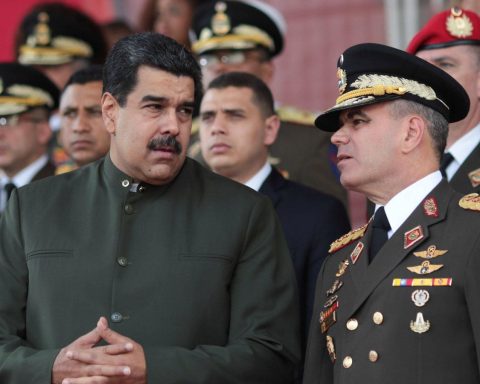
«It is painful to want to see my kids, to want to pursue my career… it is complex. When I saw the State channel that everything that I had been denouncing for years, the State channel ratified it, President Maduro ratified it, the Minister of Defense ratified all the complaints that I made for years. I said ‘Lord, this has me imprisoned. “What do I have to do to get out of this place?” he told reporters.
“It has been the longest month of my captivity. A lot of uncertainty,” says Javier Tarazona after being released this 1F after almost 5 years in prison. pic.twitter.com/P6T8HwHX2W
— Gabriela Gonzalez (@GabyGabyGG) February 1, 2026
He said that it is “a challenge” to get back to his life after almost five years in prison. “It’s reconnecting, it’s that you go out and build many things from scratch.”
Likewise, he said that he is not looking for “revenge” of any kind. «I come out with an attitude that we vindicate human dignity, let us vindicate the values that we must support. It is there, without any revenge. Quite the opposite, I don’t want anyone to repeat everything bad that I have experienced. “A day in jail is hell.”
Regarding his situation during the month of January and the announcement of releases, Tarazona said that “it has been the longest month of my captivity.”
«(It was a month) of great uncertainty, of not knowing what was going to happen to me, with my situation. The suffering that this has meant for my children who are 900 kilometers away, for my mother, for my brother who, because he was my brother and was there the day I was arrested, was imprisoned for four months,” he commented.
*Journalism in Venezuela is carried out in a hostile environment for the press with dozens of legal instruments in place to punish the word, especially the laws “against hate”, “against fascism” and “against the blockade.” This content was written taking into consideration the threats and limits that, consequently, have been imposed on the dissemination of information from within the country.
Post Views: 220