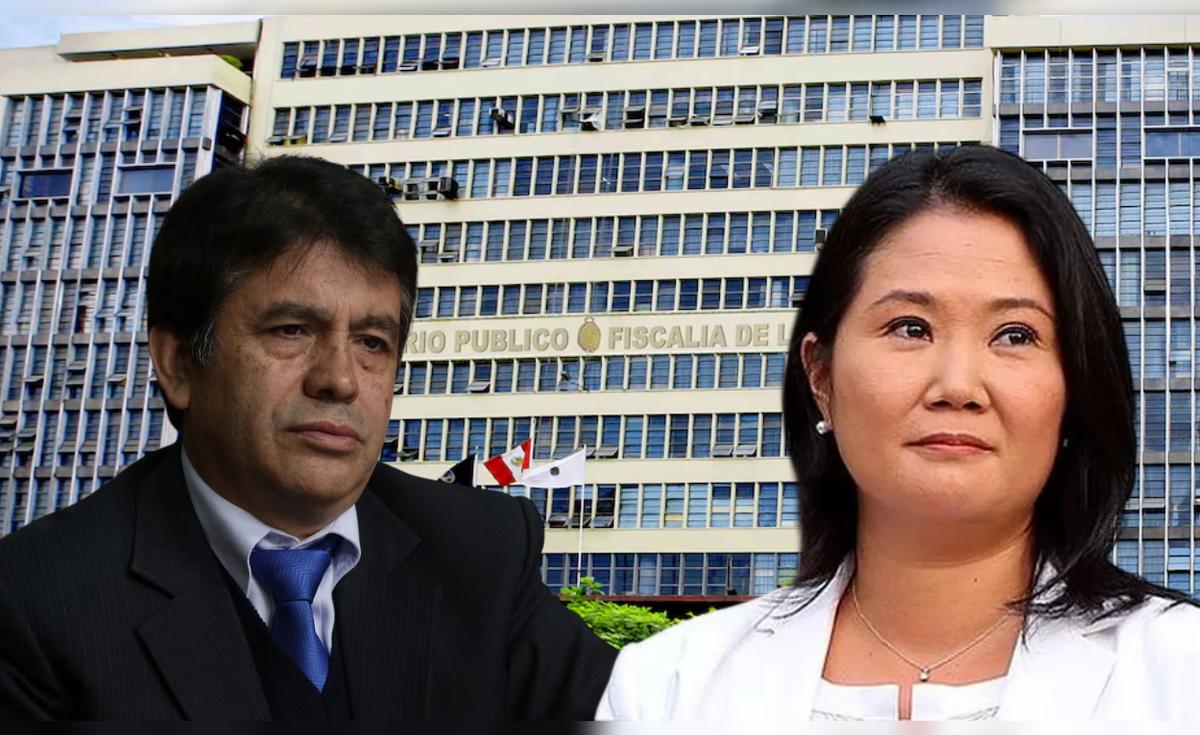
The acting prosecutor of the Nation, Tomas Galvezdid not appeal the resolution of the Fifth Chamber of Constitutional and Transitory Social Law of the Supreme Court that rejected declare the Fuerza Popular party illegalled by Keiko Fujimori, for alleged undemocratic conduct.
In accordance with the resolution accessed by the Infobae journalist, Diego Casimiro, on January 7, Gálvez was formally notified of the decision in the first instance of the Supreme Court and, from that moment, the Public Ministry had 10 days to present the appeal against said decision issued last December.
WE RECOMMEND YOU
POLITICAL RETALIATION AND ELECTIONS | WITHOUT SCRIPT WITH ROSA MARÍA PALACIOS
However, the ephemeral owner of the Prosecutor’s Office He didn’t do it. For that reason, since there was no challenge, the ruling acquired the status of “res judicata.” Likewise, the Fujimori party will maintain its validity in the Registry of Political Organizations (ROP) of the National Election Jury (JNE).
“Declare the ruling dated December 3, 2025 approved. Consequently, the proceedings be definitively archived,” reads the resolution shared by the aforementioned media.
Delia Espinoza had filed the lawsuit against Fuerza Popular
In September 2025, the former Attorney General, Delia Espinozafiled a complaint against Popular Force to declare its illegality. Their request was based on the fact that the Fujimori party had engaged in repeated practices that affected the democratic order, such as harassment of institutions of the judicial system, confrontational speeches and normalization of violent actions.
In addition, Espinoza requested the dissolution of the group, as well as the cancellation of its registration with the ROP, the closure of its premises and the prohibition of re-registration in the future.
However, the Supreme Court determined that the Prosecutor’s Office failed to demonstrate that the dissolution of Popular Force was an effective measure to protect the democratic system. The court noted that it was not proven that the party’s ban addressed the risks mentioned by the Public Ministry.
Likewise, the Court also ruled out that acts attributed to violent groups could be directly attributed to the organization. Furthermore, the court concluded that the objective pursued by the Prosecutor’s Office was not constitutionally legitimate, because it prioritized an extreme measure that would have restricted political rights in a pre-electoral context.