Havana/Faced with the tightening of pressure from Washington and the accelerated loss of its fuel suppliers, the Cuban Government has once again recycled its oldest and most predictable response: “Homeland or Death.” There is no indication that they have an alternative economic program. There are also no visible political reforms or signs of internal rectification. Just rhetoric.
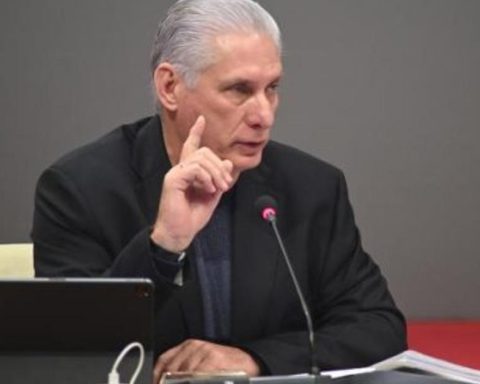
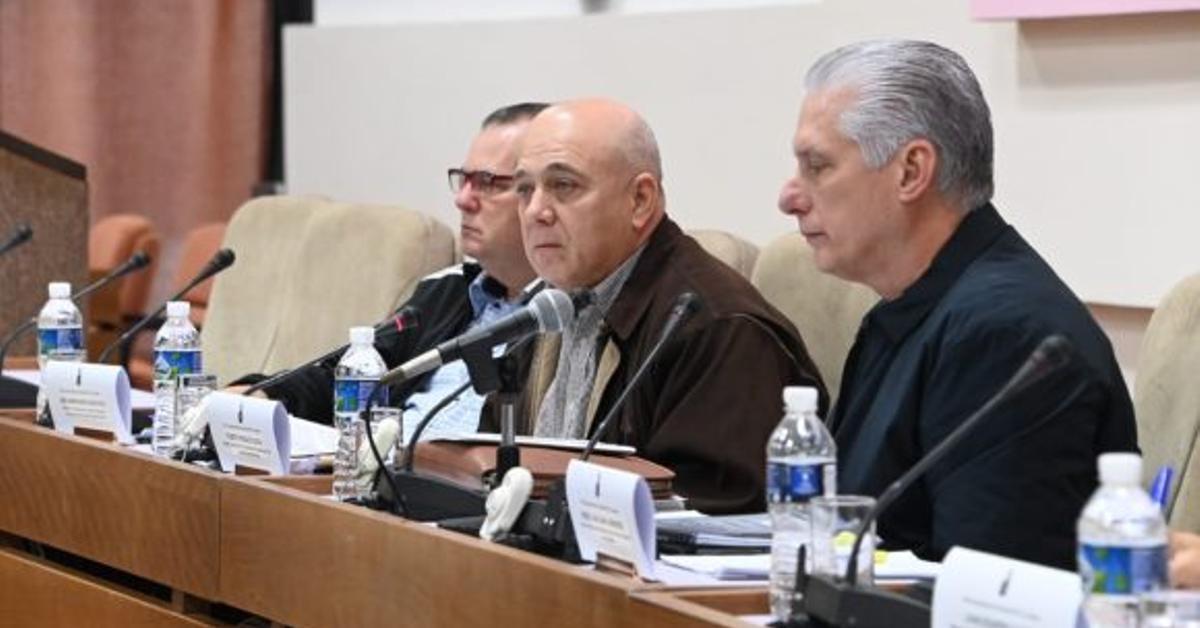
The phrase reappeared this Friday in the mouth of President Miguel Díaz-Canel, in an intervention widely disseminated by Cubadebateand was ratified hours later in an official statement sent to the international press. The message does not provide anything new, in the face of the new United States sanctions, the strategy is the same as always.
The discourse, repeated for more than six decades, no longer hides the absence of new ideas or the profound wear and tear of the model. The official narrative once again revolves around an “empire in decline”, permanent external aggression and a heroic country that resists. But carefully avoid any reference to one’s own errors, to the structural inefficiency of the system or to the lack of freedoms and rights.
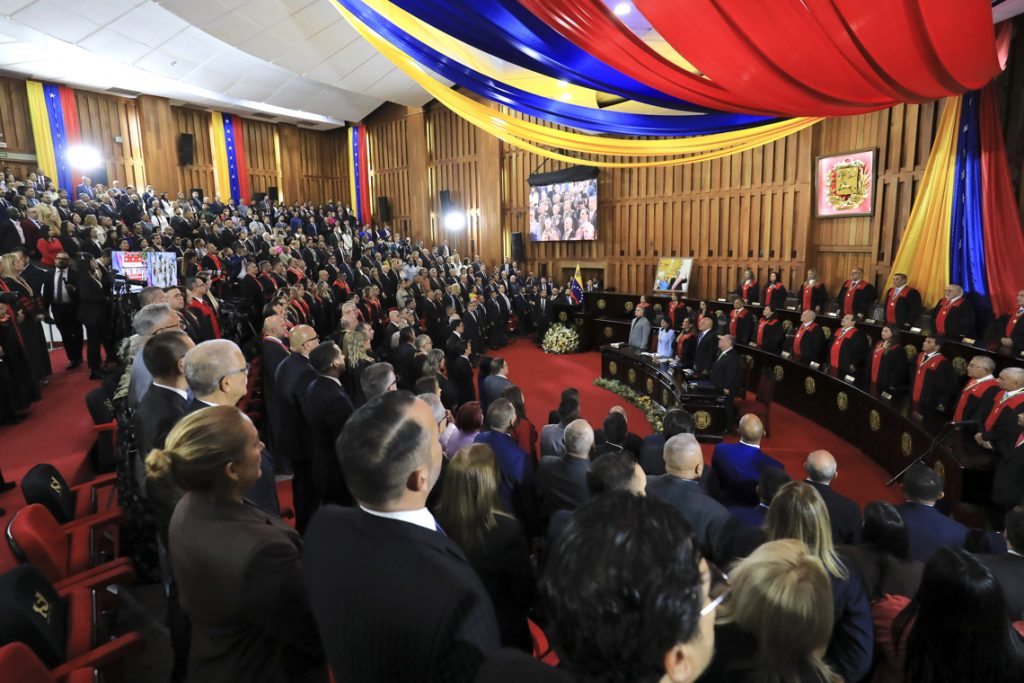
The scene is too reminiscent of what Venezuela was experiencing in the days before the capture of Nicolás Maduro. Then, as now in Cuba, the discourse of power combined calls for peace, denunciations of international conspiracies and a supposed willingness to dialogue “without conditions”, while in practice not a single real political concession was offered. The result is known.
In Havana, the script is repeated almost line by line. Díaz-Canel assures that Cuba is willing to dialogue with the United States, but only “under conditions of equality”, without “interference” and without touching the pillars of the system. That is, a dialogue to change nothing. A rhetorical exchange without consequences, designed more for international consumption than to solve the daily problems of the population.
The regime’s alliances have also failed to translate into economic stability or relief for an island facing its worst crisis.
The Government reaffirms its determination to “continue working with friendly countries”, in reference to Russia, China and Iran, presented as geopolitical counterweights to Washington. But that alliance, more symbolic than effective, has also not managed to translate into economic stability or relief for an Island that is facing its worst crisis in the last three decades.
The official statement insists that the United States has failed for 67 years in its attempt to “surrender and destroy” the Revolution. However, the text omits a key question: what has the Cuban Government itself achieved in that same period to guarantee prosperity, rights and sustained well-being for its citizens?
The energy crisis, aggravated by the suspension of Venezuelan supply and US pressure on Mexico, is presented as an exclusive consequence of the “blockade”, when in reality it is also the result of decades of mismanagement, lack of investment and centralized decisions that scare away capital and talent.
Even Havana’s traditional allies no longer hide their frustration at a State incapable of honoring its financial commitments or undertaking minimal reforms to organize an exhausted economy. Added to this is the apparent normalization of non-payment and an increasing dependence on donations and political concessions, assumed as part of the normal functioning of the system.
The regime presents itself as a “people of peace”, willing to dialogue, but intensifies the mechanisms of internal repression
The belligerent rhetoric also coexists with an increasingly grandiose tone. The words to define the United States are designed for ideological mobilization, not for diplomacy or the resolution of real conflicts. And they reinforce the perception of a power locked in their own story.
In parallel, the official data offered in recent partisan plenary sessions show a much less epic reality, with collapsed transportation, industrial production well below what was planned, stagnant housing and rising infant mortality. All this managed, according to the official discourse itself, with more slogans and more calls for resistance, but without objective solutions in sight.
The regime presents itself as a “people of peace”, willing to dialogue, but it intensifies the mechanisms of internal repression, the persecution of dissent and absolute control over political life. It asks for international “understanding” while denying fundamental rights behind closed doors. It speaks of popular sovereignty without allowing free elections or pluralism.
“Homeland or Death” thus functions again as a closing slogan, but not as a future project. A useful phrase to unite the ruling elite and justify immobility, but increasingly distant from an exhausted citizenry, which does not ask for epic but for concrete solutions: light, food, medicine, transportation and freedom.