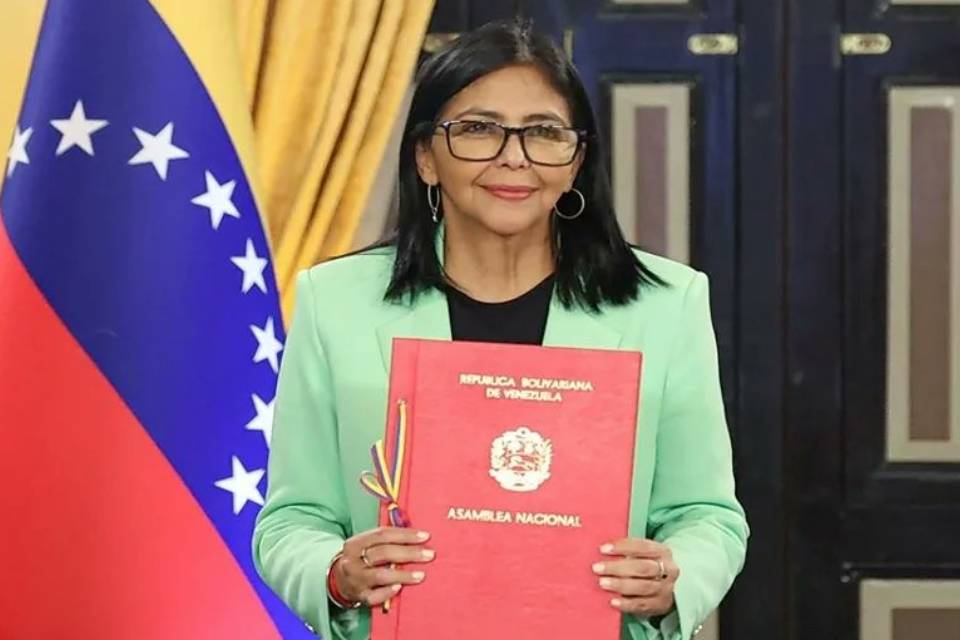
Delcy Rodríguez announced this Friday the 30th a “general amnesty law” and ordered the National Assembly, with a pro-government majority, to discuss and approve the regulations “to promote coexistence in Venezuela.”
“I announce a general amnesty law and I order that this law be brought to the National Assembly to promote coexistence in Venezuela,” said Rodríguez during the opening of the judicial year, at the headquarters of the Supreme Court of Justice.
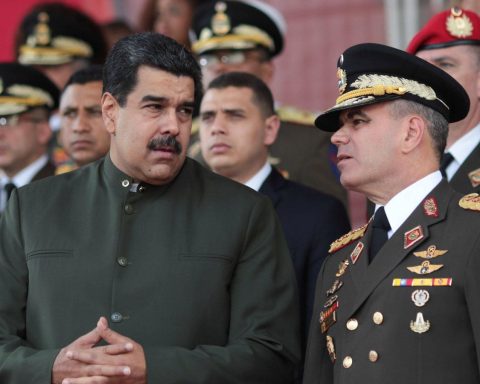
“I ask everyone that no one imposes violence or revenge, so that we all live with respect,” said the official, who also noted that the decision had already been discussed with Nicolás Maduro before January 3, the date of his capture by US military forces.
Although the amnesty law, which Rodríguez hopes will be approved the first week of February, would initially benefit all those detained for political reasons, the real scope of the regulations is unknown and whether it will have effects on the repression that, according to international organizations, the Chavista administration exercises against opponents or those it perceives as such.
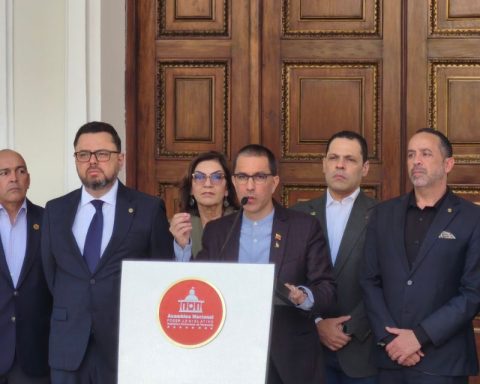
Since last January 8, a process of releases has been underway, announced by the president of the National Assembly, Jorge Rodríguez, brother of the acting head of the Venezuelan Executive. The figures within the ruling party itself are disparate.
While the Minister of the Interior, Diosdado Cabello, reported that 808 people had been released from December to Monday, January 26, two days later, in an interview for a Colombian media, Attorney General Tarek William Saab assured that 643 precautionary measures had been granted.
However, human rights organizations put the total number of those released since January 8 at 302. Relatives remain vigil outside several places of detention, demanding that the authorities fully release all those detained for political reasons.
*Journalism in Venezuela is carried out in a hostile environment for the press with dozens of legal instruments in place to punish the word, especially the laws “against hate”, “against fascism” and “against the blockade.” This content was written taking into consideration the threats and limits that, consequently, have been imposed on the dissemination of information from within the country.
Post Views: 0