In an unprecedented selection in the history of the Ministry of Foreign Affairs (MRE), indigenous and quilombola people now have reserved places in the public examination for admission to a career as a diplomat. The Rio Branco Institute, the diplomatic training academy linked to the Itamaraty Palace, released this Thursday (29) the competition noticewith a total offer of 60 places. The starting salary is R$22,558.
This is the first competition for a diplomatic career under the terms of the new quota lawsanctioned last year by President Luiz Inácio Lula da Silva. Of the total vacancies, 39 are destined for broad competition, three for people with disabilities (PCDs), 15 for black people (black and brown), two for indigenous people and one for quilombola people.
The registration period runs from February 4th to 25th, at Cebraspe pageorganizing committee for the public selection. The registration fee is R$229, with the possibility of exemption for low-income people registered in the Single Registry of Social Programs (CadÚnico).
According to the rules of the notice, which reflect the parameters defined in the legislation, an indigenous person is one who identifies himself as part of an indigenous collective and is recognized by its members as such, regardless of whether or not he lives in indigenous territory, in accordance with the Federal Constitution, Convention No. 169 of the International Labor Organization (ILO) and the United Nations (UN) Declaration on the Rights of Indigenous Peoples.
In the case of a quilombola candidate, the definition is of a person belonging to an ethnic-racial group, according to self-attribution criteria, with their own historical trajectory, endowed with specific territorial relationships, with a presumption of black or brown ancestry, as provided for in the Decree No. 4,887/2003.
The competition notice provides for a complementary documentary verification procedure for indigenous and quilombola candidates, to be carried out by a committee made up of people with renowned knowledge in the area, mostly made up of members of the respective traditional communities.
Collective dream
The Minister of Indigenous Peoples, Sonia Guajajara, celebrated the historic milestone of reserving places in the selection that will define new Brazilian diplomats.
“Guaranteeing places for indigenous people in the Itamaraty competition is the realization of a collective dream, of ensuring that our people are included in different decision-making spaces, taking forward our knowledge, which is so rich”, he told Brazil Agency.
Guajajara noted that the new development also reflects greater empowerment of indigenous leaders in decision-making positions in the state.
“It is the result of the presence of indigenous people in strategic positions, with the creation of the first Ministry of Indigenous Peoples in history. We are villagers in the State, taking our voice forward and making it echo throughout Brazil and around the world. And the Brazilian government has been taking important steps in this direction”, he pointed out.
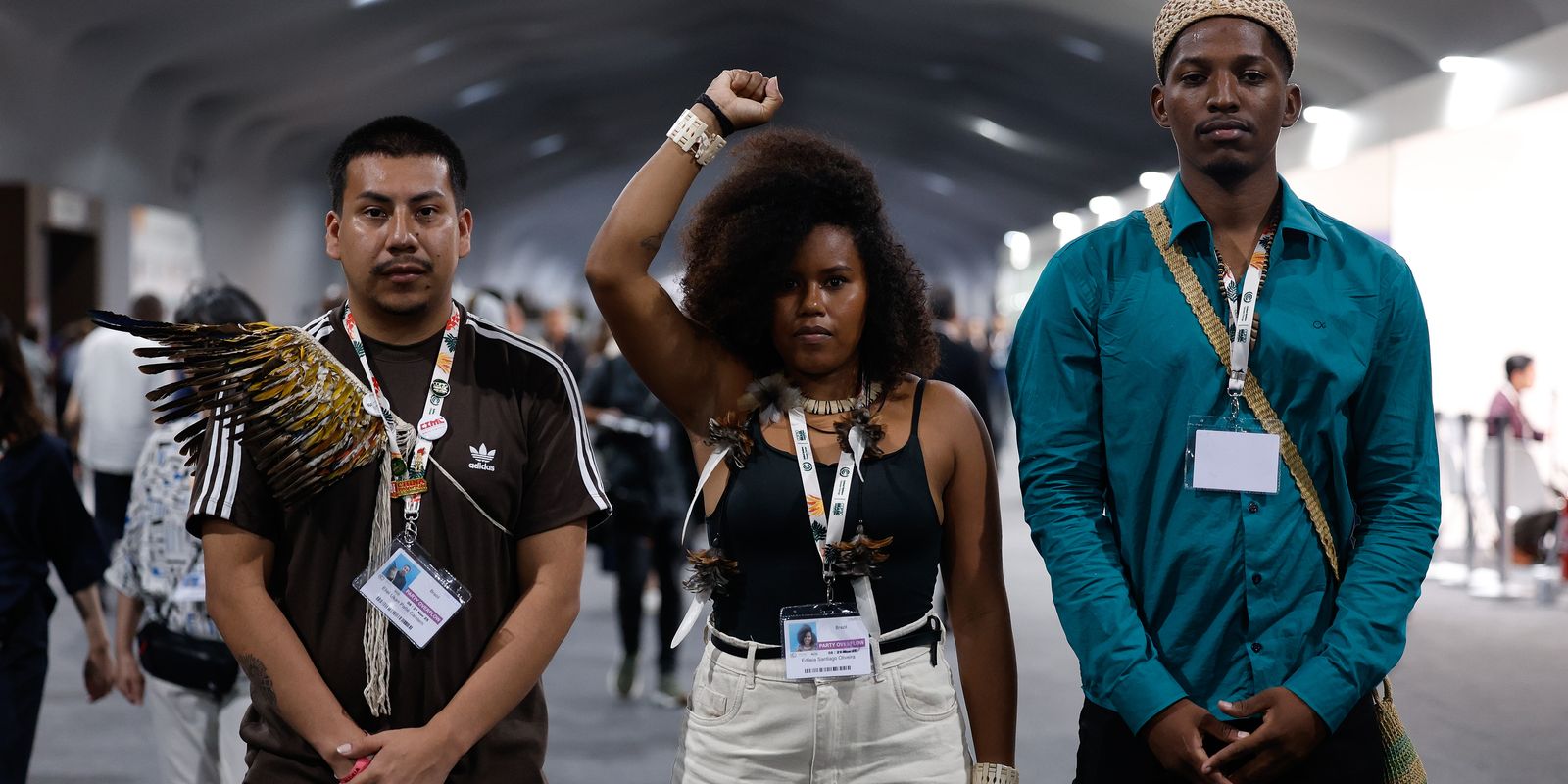
Last year, the minister recalled, young indigenous leaders have already had experience of diplomatic representation during the negotiations of the 30th United Nations Conference on Climate Change (COP30)in Belém, in an effort to place traditional communities at the center of decisions.
Object of a lot of dispute in Brazilaffirmative actions are public policies that change the historical framework of a society, says Ronaldo dos Santos, secretary of Policies for Quilombolas, Peoples and Traditional Communities of African Origin, Terreiro Peoples and Gypsies, of the Ministry of Racial Equality (MIR). According to him, this reservation of vacancies is the big news of the new quota law and is now beginning to be properly perceived.
“The recognition of indigenous people and quilombolas as subjects of rights in the quota law is a major step forward and points to a new reality in public service in the country. There is nothing better more emblematic than a career at the Itamaraty for society to realize the impact and relevance of this. It will be a new representation in the occupation of these strategic positions in the State”, he observes.
Scholarship
Candidates who choose to compete for vacancies reserved for indigenous people, during the registration request period, may choose to compete for the award scholarship for this year’s edition of the Rio Branco Institute’s Affirmative Action Program for Indigenous People (PAA/IRBr Indígenas). The initiative selects candidates to receive funding for preparatory studies for the Itamaraty competition, which is considered one of the most difficult and competitive public selections in the country.
The Rio Branco Institute also offers a scholarship for candidates who compete as black people, and the option to compete for the benefit will be available on the competition registration page.