The United States Federal Reserve decided to pause the adjustments to its reference interest rate, leaving it in the range of 3.5% and 3.75%. The decision was adopted by the Federal Open Market Committee by a vote of 10 to 2, with Governors Christopher Waller and Stephen Miran dissenting, who supported a 25 basis point cut.
In their post-meeting statement, policymakers noted that job gains have remained low, but that the unemployment rate has shown some signs of stabilization.
In line with this assessment, the Fed removed the reference to greater downside risks to employment that it had included in its three previous statements, suggesting a more favorable reading of labor market performance.
This adjustment in the diagnosis reduces the probability of a rate cut in the short term, despite the existing political pressure. After the announcement, the markets reacted with moderation: the yield on the 10-year Treasury bond remained close to 4.25%, the dollar fell slightly from its highs of the day and the S&P 500 index showed little change.
A clear improvement
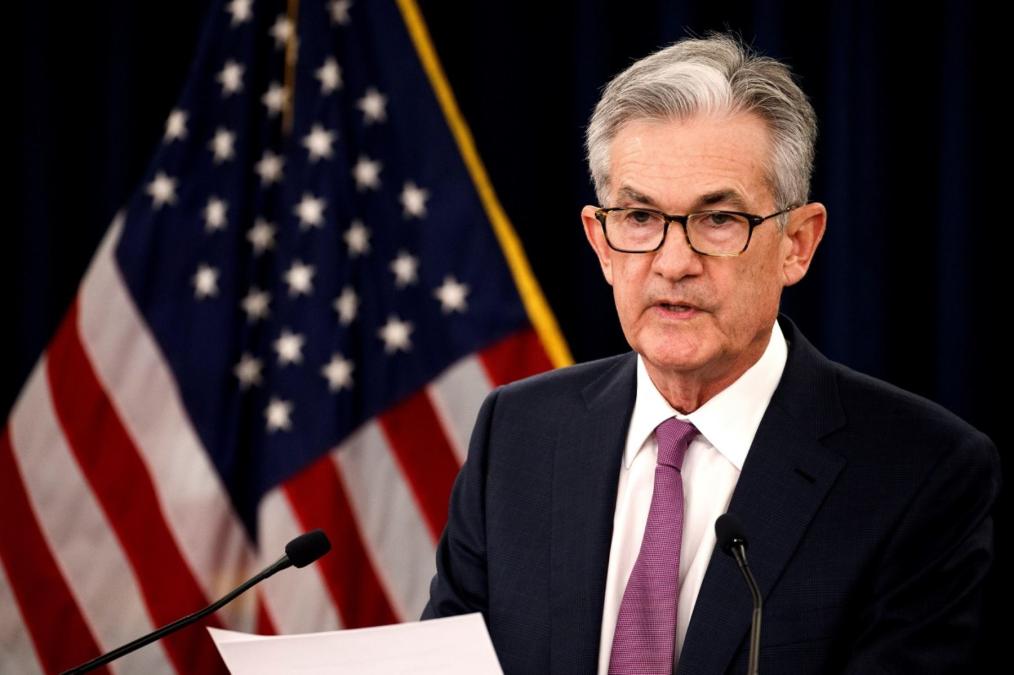
At a press conference, Fed Chairman Jerome Powell highlighted a “clear improvement” in the outlook for the US economy for next year.
He noted that the outlook for economic activity has clearly improved since the last meeting and that this should translate, over time, into a positive impact on labor demand and employment.
However, Powell was careful when referring to the labor market. Although he recognized signs of stabilization, he warned that signs of cooling also persist and avoided offering concrete definitions about what conditions would lead the committee to resume rate cuts.
He stressed that the Fed is not seeking to establish rigid criteria and that decisions will continue to be made meeting by meeting, based on incoming data and the evolution of the outlook.
The decision was widely expected after the Fed cut rates in three consecutive meetings towards the end of 2025. Although most officials project further cuts later this year, the persistence of above-target inflation and greater stability in the labor market have led several policymakers to rule out the need for an immediate adjustment.
Inflation
Regarding inflation, Powell described the outlook as moderately positive, although he estimated that the preferred indicator of underlying inflation will close 2025 around 3%, still above the target.
He clarified that a good part of the deviation responds to increases in the prices of goods associated with the tariffs, which would be temporary in nature.
On the political level, Powell once again defended the independence of the central bank and avoided commenting on external pressures.
He also reserved his decision on whether he will remain on the Board of Governors once his term as president ends in May, reinforcing the message of institutional prudence in a complex political environment.
RECOMMENDED VIDEO