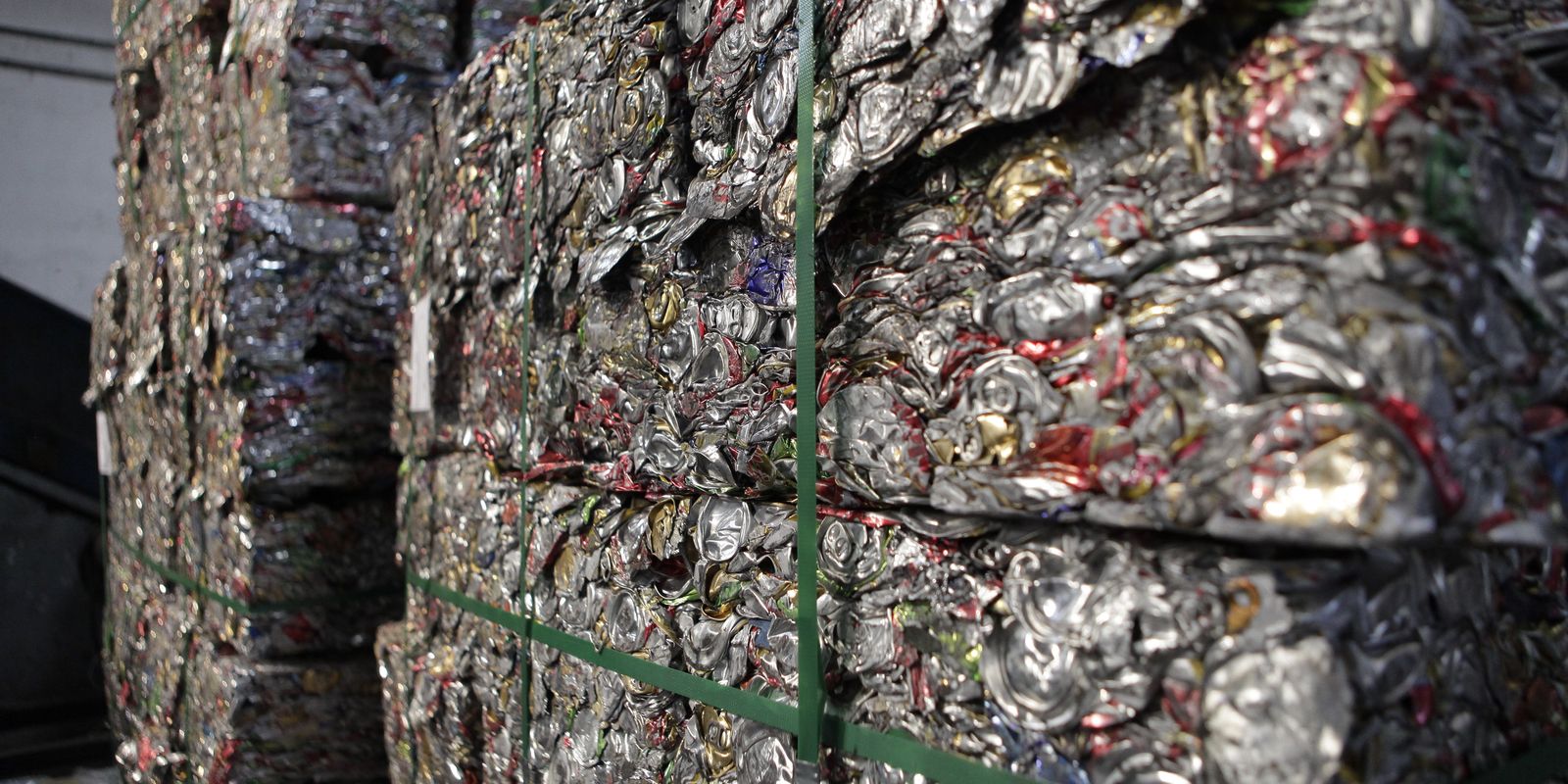
The recycling sector will not have an increase in tax burden with the consumption tax reform, the Ministry of Finance clarified this Thursday (29). According to the ministry, the new legislation ensures neutrality between recycled products and primary materials and expands tax benefits throughout the production chain, eliminating the risk of losing the sector’s economic attractiveness.
In a note, the ministry explained that one of the main points of the tax reform is the total exemption from the sale of materials by collectors, individuals or cooperatives. In the current system, this relief is partial and fragmented, varying according to the tax and generating a cascade of accumulation throughout the chain, when the tax paid becomes a cost with no possibility of recovery.
With the adoption of the Value Added Tax (VAT) model, informed the Treasury, the entire production chain will now operate under the principle of full non-cumulative activity. This means that companies will be able to fully take advantage of tax credits paid in previous stages, including when purchasing materials from exempt collectors, as if the tax had been collected.
Distortion correction
The Ministry of Finance highlighted distortions caused by current taxation on recycled materials. The suspension of the Social Integration Program (PIS) and the Contribution for Social Security Financing (Cofins) only occurs in sales to companies outside of Simples Nacional. This, explains the Revenue, in practice, nullifies the benefit because the buyer loses the right to credit.
In the case of Service Tax (ISS), a tax charged by municipalities, there is no recovery of credits under any circumstances, increasing the cost of services. In relation to the Tax on Industrialized Products (IPI), the use of credits when purchasing inputs is not permitted, despite the exemption for the sale of recyclable materials.
Exemption
With the reform, explains the Treasury, more than 1 million collectors, in addition to cooperatives and organizations in the popular economy, will be completely exempt from taxes. Even so, buyers of these materials will be able to generate and recover tax credits, ensuring balance and economic efficiency throughout the chain.
This mechanism will be made possible through the Contribution on Goods and Services (CBS) and the Tax on Goods and Services (IBS), taxes that make up the dual VAT created by the reform. The model eliminates the so-called cascade effect, the incidence of tax on tax, and reduces costs throughout the production process.
Established by Constitutional Amendment 132, promulgated in December 2023, the Consumption Tax Reform enters the testing phase in 2026 and seeks to align Brazil with best international practices. The recycling sector, considered strategic for sustainable development, is among those benefiting from the structural changes of the new tax system.