The federal government plans to deliver another 400 Mobile Dental Units (UOMs) by the month of March, in addition to the 400 that were already delivered last year, reported today (28) the general coordinator of Oral Health at the Ministry of Health, Edson Hilan Gomes de Lucena, who is participating in the São Paulo International Dental Congress, at Expo Center Norte, in the capital of São Paulo. 
“In total, we will add 800 new mobile units by March, which will be distributed to all federative units,” he told Brazil Agency.
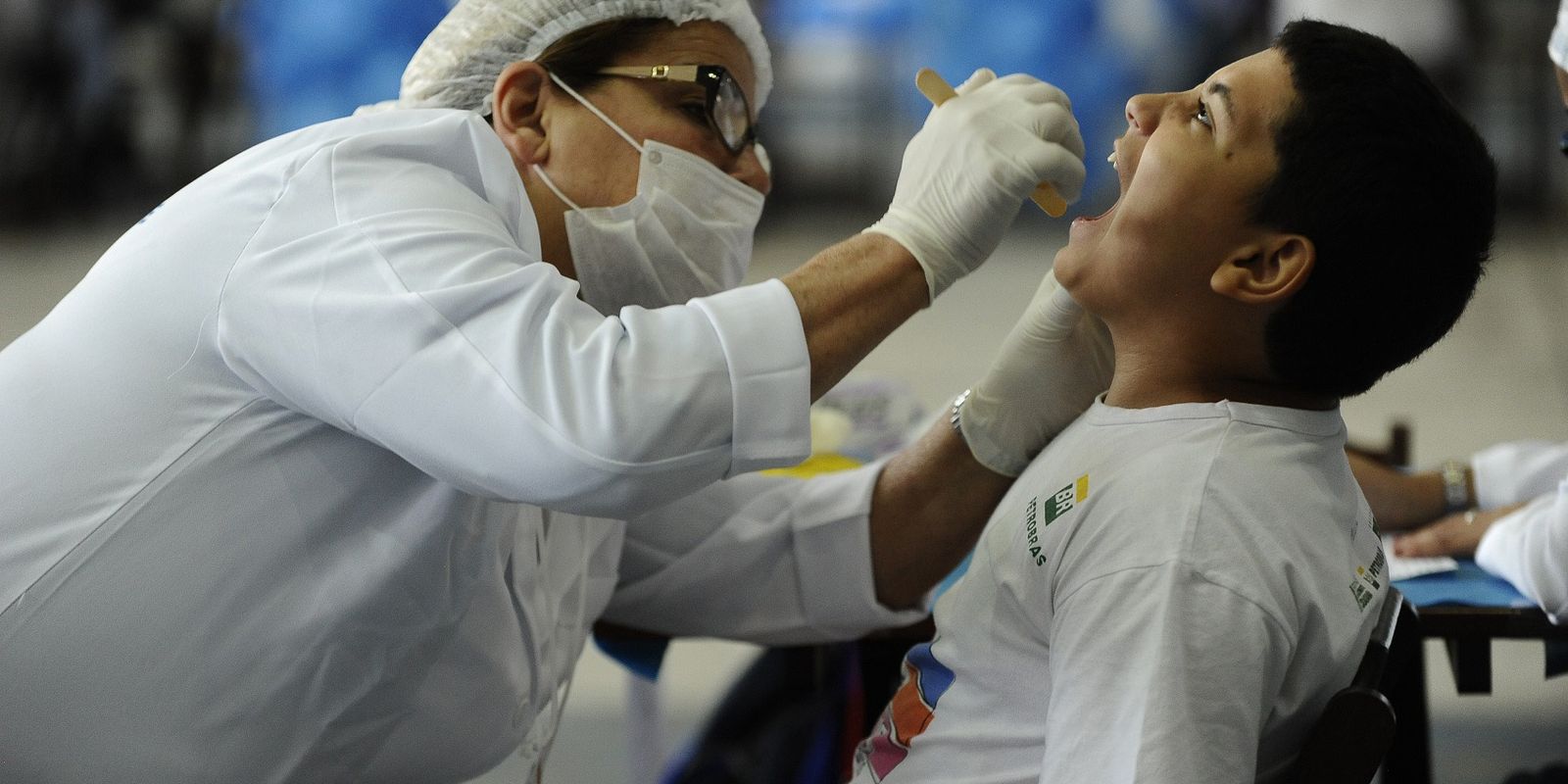
The units are part of the Brasil Sorridente program, which focuses on providing dental care to populations that have difficulty accessing the service, including indigenous people, quilombolas, homeless people and settled people. The objective of the action, according to the ministry, is to guarantee assistance to all people.
The initiative offers both primary care procedures and specialized actions in endodontic treatment and provision of dental prosthetics.
“Smiling Brazil, which is the national oral health policy, has the duty to provide care to the entire Brazilian population,” he stated.
According to Gomes de Lucena, the mobile unit is one of the components of the program, a complete office in a car equipped with X-ray, chair and equipment to carry out restoration, extraction and preventive procedures, taking the oral health team to more distant territories such as rural areas, quilombos, settlements and the homeless population.
In September last year, the population of the city of Mâncio Lima, in Acre, received Mobile Dental Units (UOMs), for example, one of the mobile units, which allowed riverside populations access to dental treatment. Local teams built a ferry and installed the mobile unit on it to deliver services to communities across the river.
Congress
In an interview with Brazil Agency, During the congress, Lucena informed that the federal government also plans to expand the range of treatments that will be offered by each of the mobile units, so that they can also perform root canal treatment and dental prosthetics with digital flow, which uses technology for faster and more precise restorations.
“We are carrying out a pilot for dental prostheses with digital flow in the municipality of Cavalcante, in Goiás. We will probably be launching this next week”, he informed. “With this equipment, the person’s mouth is scanned to print the prosthesis. Upon return, the patient leaves with the prosthesis. 500 combo kits will be donated for digital flow to various municipalities in the country”, he said.
Return of the program
The mobile dental units were created in the second term of the Lula government, in 2009. However, the program was interrupted in 2015 and only resumed in August of last year, when it began to receive investments from the Novo PAC Saúde.
The professor and researcher at the Federal University of Rio Grande do Norte (UFRN), Ângelo Giuseppe Roncalli Costa Oliveira, coordinated a census to evaluate the action, carried out in 267 Brazilian municipalities, which received mobile units until 2017. The census was carried out before the program was interrupted and has already demonstrated that mobile dental units play an important role, expanding the population’s access to oral health. “The importance is to expand access”, highlighted the general coordinator.
“In 75% of the units that operate, managers and dentists reported unanimously about expanding access. A very common statement from them was that a certain community would never see a dentist if it weren’t for these mobile units”, he added.