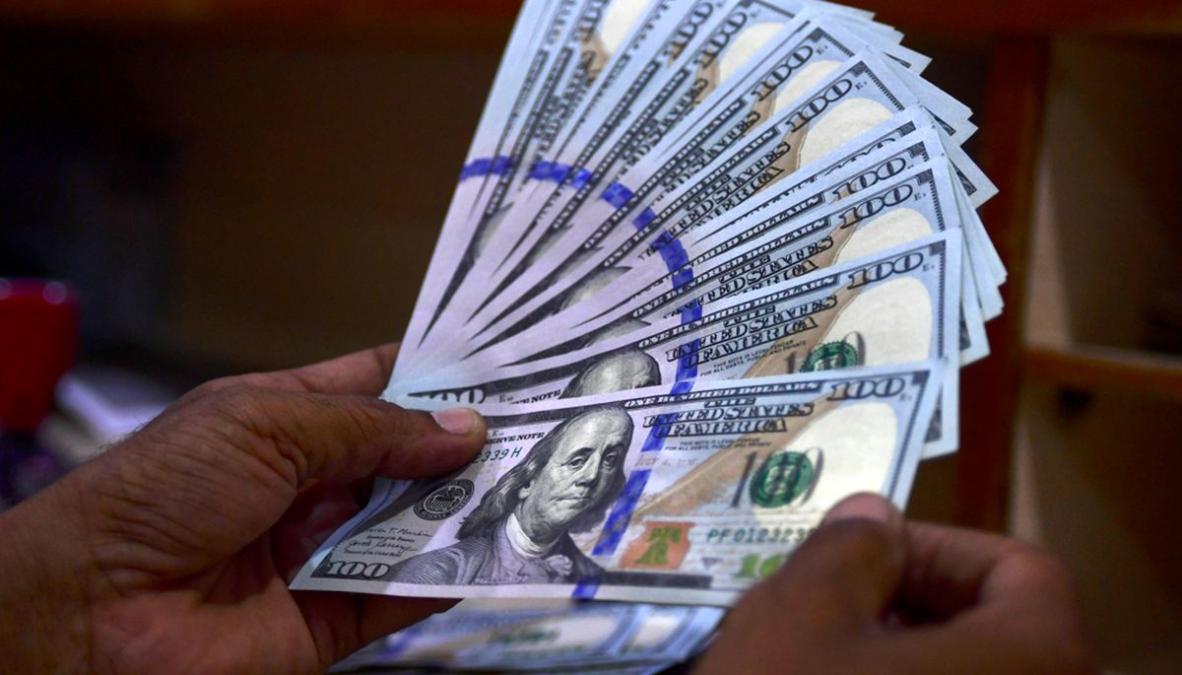
The price of the dollar closed the day at S/3,347, a figure that represented a reduction compared to the day before, when it stood at S/3,351. This movement marks a new low of almost six years in the local exchange market.
In fact, the value reached today is only surpassed by the historical record of January 29, 2020, the date on which the US currency was quoted at S/3,345 per unit. This decline reflects the downward pressure that dominates the current exchange rate scenario.
Asvim Asencios, Currency trader at Renta4 SAB, stated that, during the day, the currency supply was driven mainly by the corporate sector, which led the Central Reserve Bank (BCR) to intervene to mitigate volatility, making purchases for a total of US$10 million at an average price of S/3,345.
A total volume of US$364 million was traded in the session. Likewise, the expiration of Sales Exchange Swaps worth S/400 million was reported, a factor that affected liquidity dynamics.
Global factors
The strengthening of the Peruvian sol is not an isolated event, but rather responds to an international context of generalized weakness of the greenback. According to the Financial Times, the dollar fell today to its lowest level in four years against a basket of major currencies, placing its index at 96.2 points.
This trend responds to a perception of “chaotic” and erratic policies in the United States, which has undermined the confidence of big capital.
There are critical factors that explain this global fall and its impact in Peru. First of all, there is the fact that the market is watching with concern the possible nomination of a new president for the Federal Reserve with an excessively flexible profile.
This raises reasonable doubts about the independence of the central bank and its ability to manage inflation autonomously in the face of political pressures.
The second factor that explains the weakness of the currency is the high deficits and persistent inflation in the US economy, which have activated the so-called “Sell America trade.” Investors are rotating their portfolios toward assets considered safer, such as gold, or currencies that have shown greater recent resilience, such as the euro and sterling.
Finally, trade disputes and unpredictable international policy decisions have increased volatility. This has caused the dollar to lose its appeal as a traditional reserve asset, favoring the advance of currencies from emerging markets and developed economies alike.
Although the pound sterling has gained ground recently, analysts from institutions such as ING warn that these advances could find a ceiling in the face of domestic risks.
However, by the end of 2026, the general expectation is that the weakness of the dollar will continue, suggesting that the exchange rate in Peru could remain at historically low levels if external conditions do not show a significant correction.
RECOMMENDED VIDEO