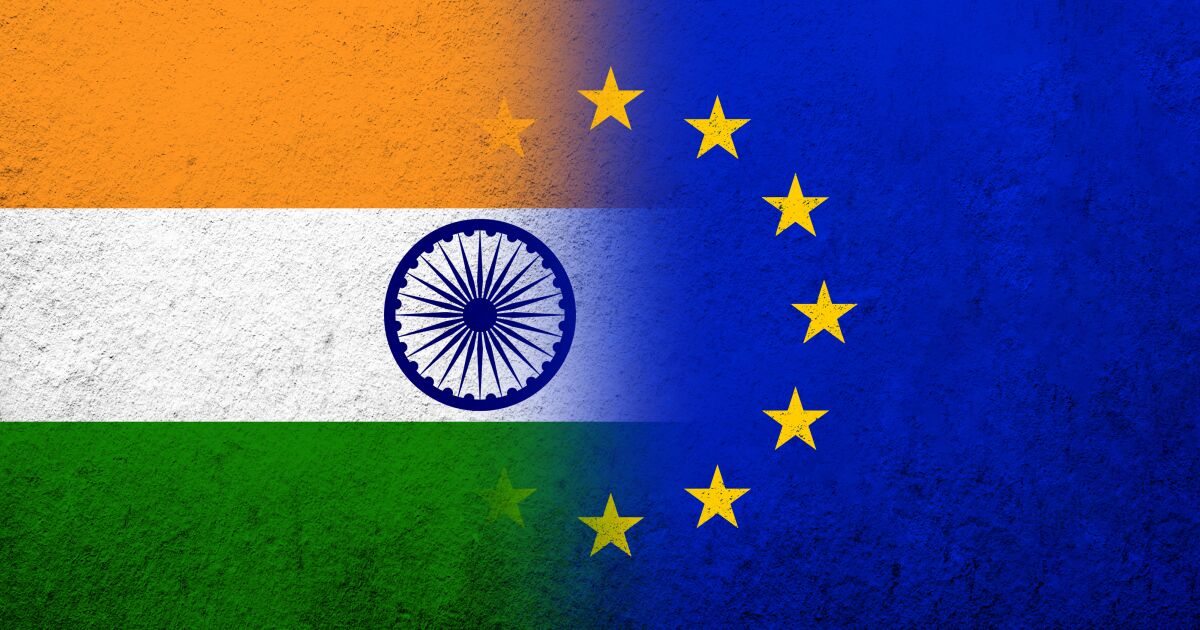
“This agreement will bring many opportunities,” said Indian Prime Minister Narendra Modi, even before meeting with the president of the European Council, Antonio Costa, and the head of the European Commission, Ursula von der Leyen.
“It represents around 25% of global GDP and a third of international trade,” he added.
“Europe and India have made history today,” Von der Leyen added on the social network
The last obstacles to the conclusion of the text, which provides for the reduction of mutual tariffs, were overcome on Monday during final negotiations.
According to Brussels, the reduction of Indian taxes on European imports should allow the EU to save up to 4 billion euros (about 4.75 billion dollars) per year.
EU officials said the deal is the most ambitious India has ever signed and that European companies will benefit from the so-called “first-mover advantage.”
Europe’s key sectors of agriculture, automobiles and services will benefit, especially emblematic products such as wine, olive oil or processed foods such as pasta, bread or chocolate.
However, sensitive agricultural sectors such as beef, rice and sugar, whose inclusion in a deal recently reached with the South American bloc Mercosur sparked the ire of European farmers, were left out of the deal.
On January 17, the EU signed this pact, which creates another of the largest free trade areas in the world, with Argentina, Brazil, Paraguay and Uruguay after more than 25 years of negotiations. However, the European Parliament referred it to the bloc’s justice system, which suspended its ratification for a year and a half.