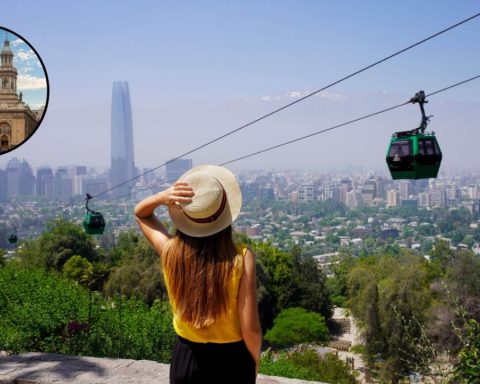
Chile has a cultural wealth that is manifested in its historical buildings, with municipal settings being the reflection of the urban and artistic memory of the country. Each theater selected in this guide not only stands out for its current billboard, but also for being an architectural landmark that allows visitors to learn about the national cultural history from a unique and sophisticated perspective.
3 theaters in Chile to enjoy
In the heart of the capital, the Municipal de Santiago stands as the main venue for opera, ballet and classical music since its inauguration in 1857. This theater French neoclassical style, declared a Historical Monument, it is a mandatory stop for those seeking to immerse themselves in architectural luxury while enjoying international productions in the heart of downtown Santiago.
Towards the coast, the Municipal of Valparaíso represents the resilience and bohemian character of the main port, consolidating itself as a cultural reference since 1931. Although its architecture differs from the classicism of the capital, this theater It is key in the Buenos Aires artistic circuit, functioning as a space where heritage and the vibrant local scene coexist harmoniously in front of Avenida Pedro Montt.
In the greater north, the Municipal of Iquique stands out as an active testimony of the nitrate boom, built entirely of Oregon pine wood in 1889. This theater It is one of the most valuable monuments of Chilean historical heritage, preserving ornamental details that evoke the richness of a golden age and that today continue to host various artistic presentations for the Tarapacan community.
To organize your next cultural visit to Chili We summarize the location and main value of these theaters must-see:
- Municipal Theater of Santiago: Cradle of opera and ballet with an imposing neoclassical style.
- Municipal Theater of Valparaíso: Landmark of the port that reflects local urban identity and memory.
- Municipal Theater of Iquique: Architectural jewel of the north linked to the historic saltpeter era.