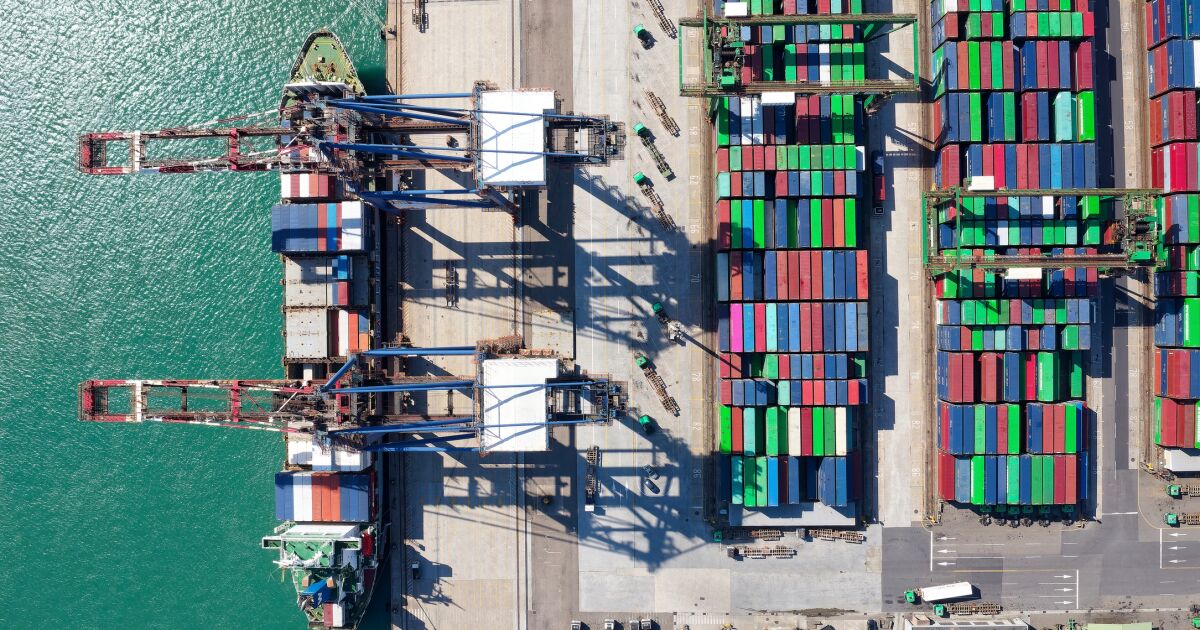
This performance allowed the merchandise trade balance to close 2025 with a surplus of 771 million dollars, a change compared to the deficit of 18,541 million dollars observed in 2024. The change was explained by the strong surplus of the non-oil balance, which went from 2,686 million dollars in 2024 to 26,323 million in 2025, the largest in recent years. This advance coexisted, however, with a greater oil deficit, which widened to 25,552 million dollars, reinforcing the idea of an external balance sustained by the export industry, but with chiaroscuros in energy flows.
How did you close the year?
In December 2025, exports reached 60,651 million dollars, an annual increase of 17.2%. Growth was supported by non-oil exports, which increased 19.5%, while oil exports fell again, with a contraction of 32.9%.
Within non-oil exports, shipments to the United States grew 17.9% annually, while sales to the rest of the world advanced 28.0%.
Manufacturing led the monthly performance, with an annual increase of 20.6%, driven by machinery and equipment, mining metallurgy products, and electrical and electronic devices. However, not all sectors shared the dynamism. Agricultural and fishing exports fell 12.7% in December, with marked falls in products such as tomatoes, strawberries, onions, garlic, cattle and avocado. The automotive sector barely advanced 0.8%, with declines in sales to the United States that were offset by higher shipments to other markets.
In December 2025, merchandise imports totaled 58,221 million dollars, a growth of 16.7%.
Imports of consumer goods grew 25.3% annually and totaled 9,510 million dollars, with an increase of 32.5% in non-oil products and a drop of 6.1% in oil products.