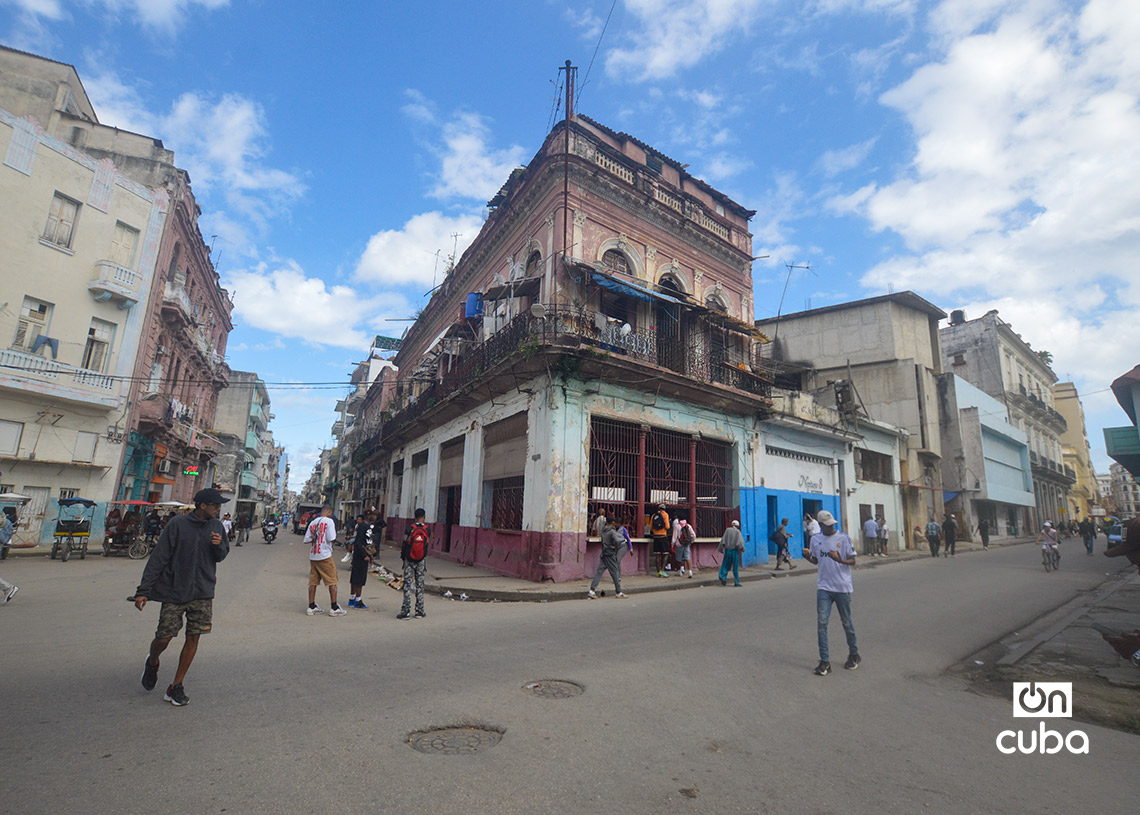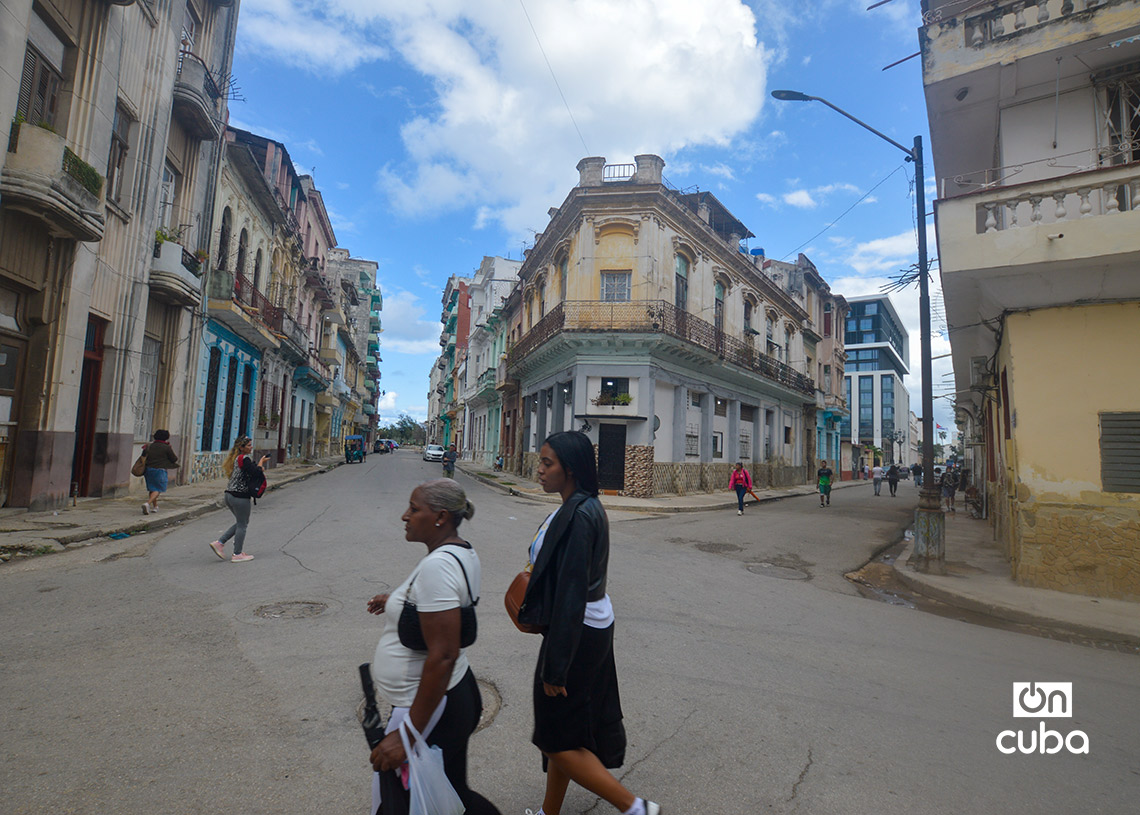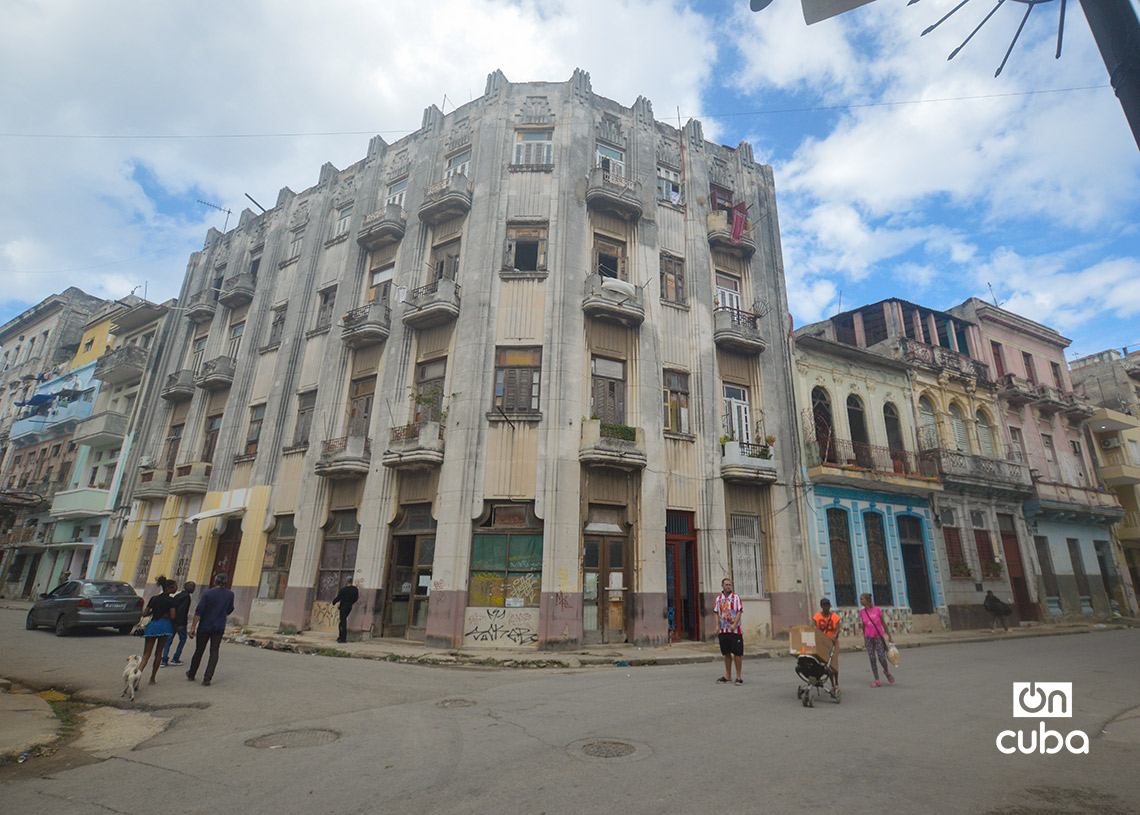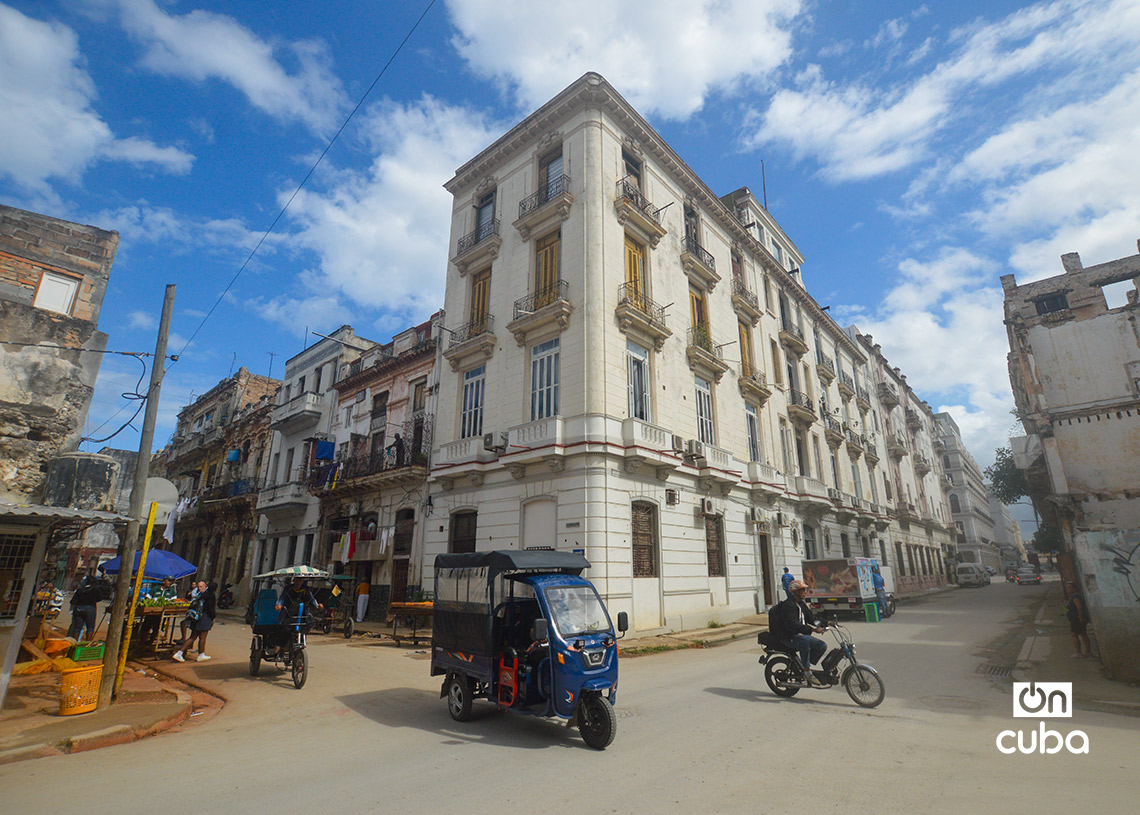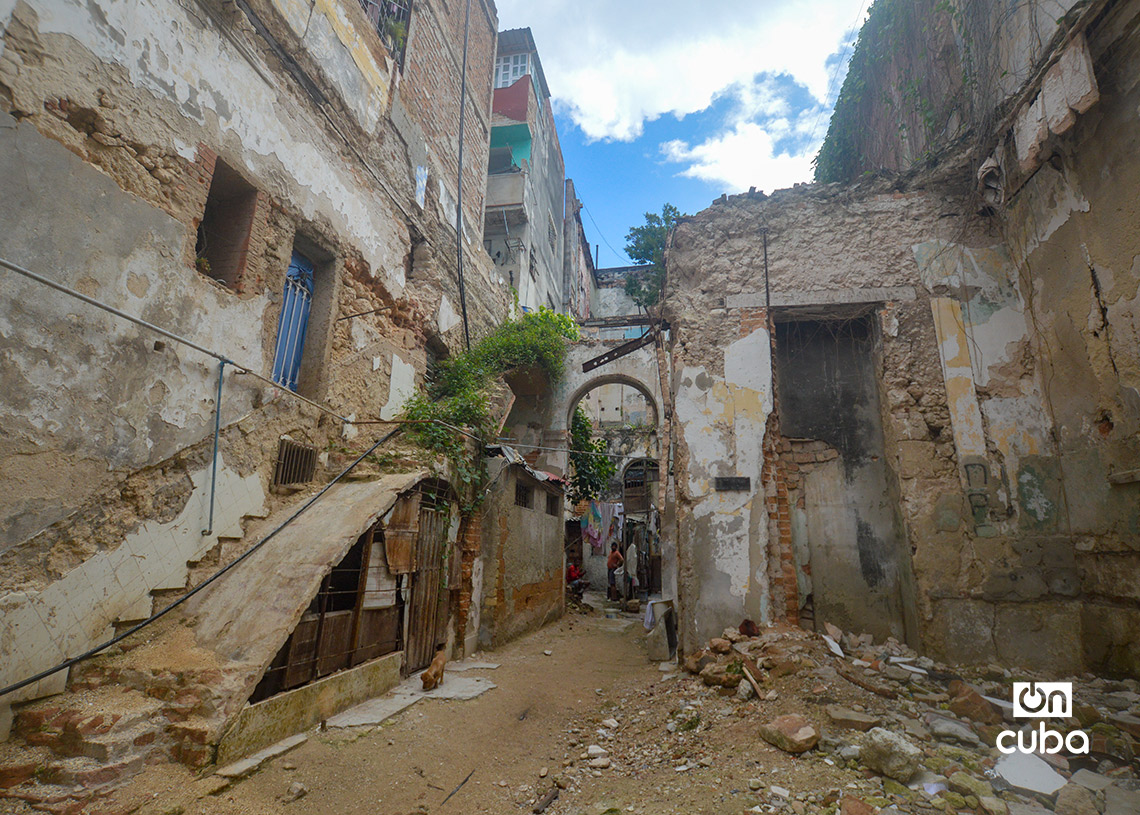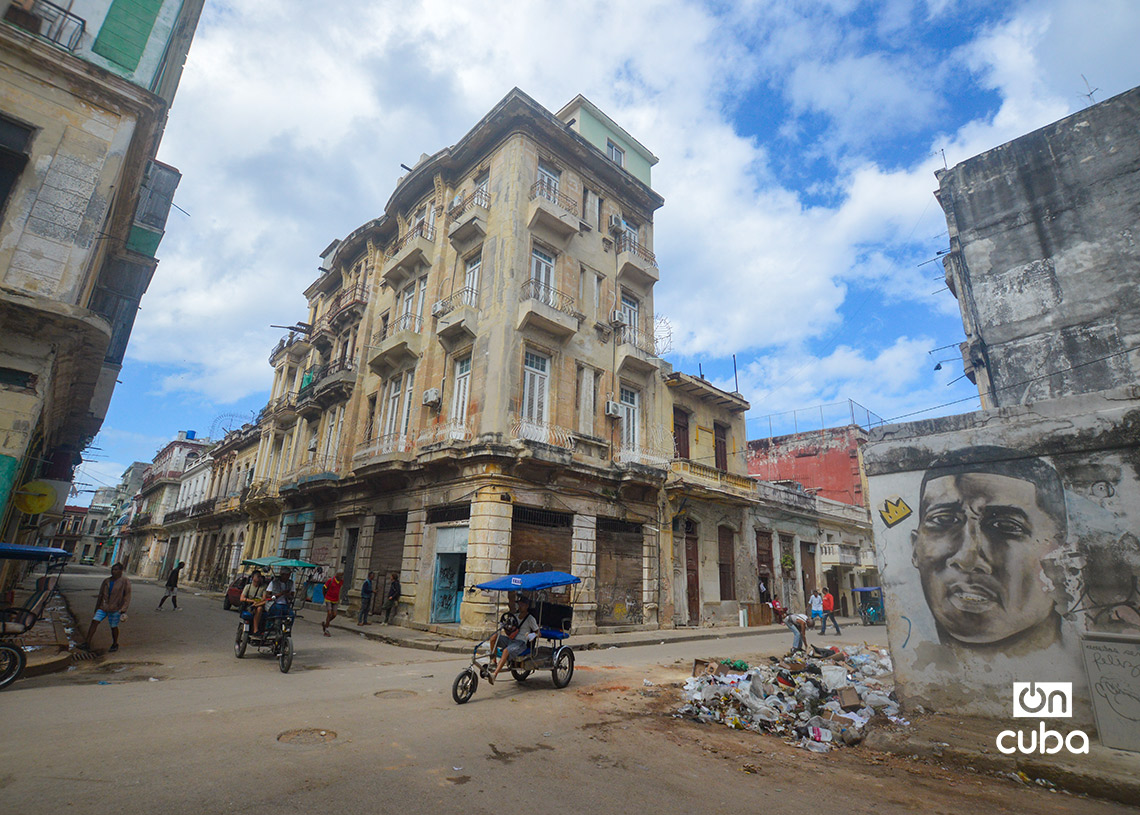
Consulado Street runs through Centro Habana, between two of the most emblematic points of the city. This Havana artery, whose history dates back to colonial times, is born in the central Prado Walk and then runs parallel to it to the gardens of the National Capitol.
Its origins date back to the end of the 18th century, when Captain General Don Luis de las Casas indicated the alignment on the same street of the existing houses and buildings around the then newly established Royal Consulate of Havana. That’s exactly where its name comes from.
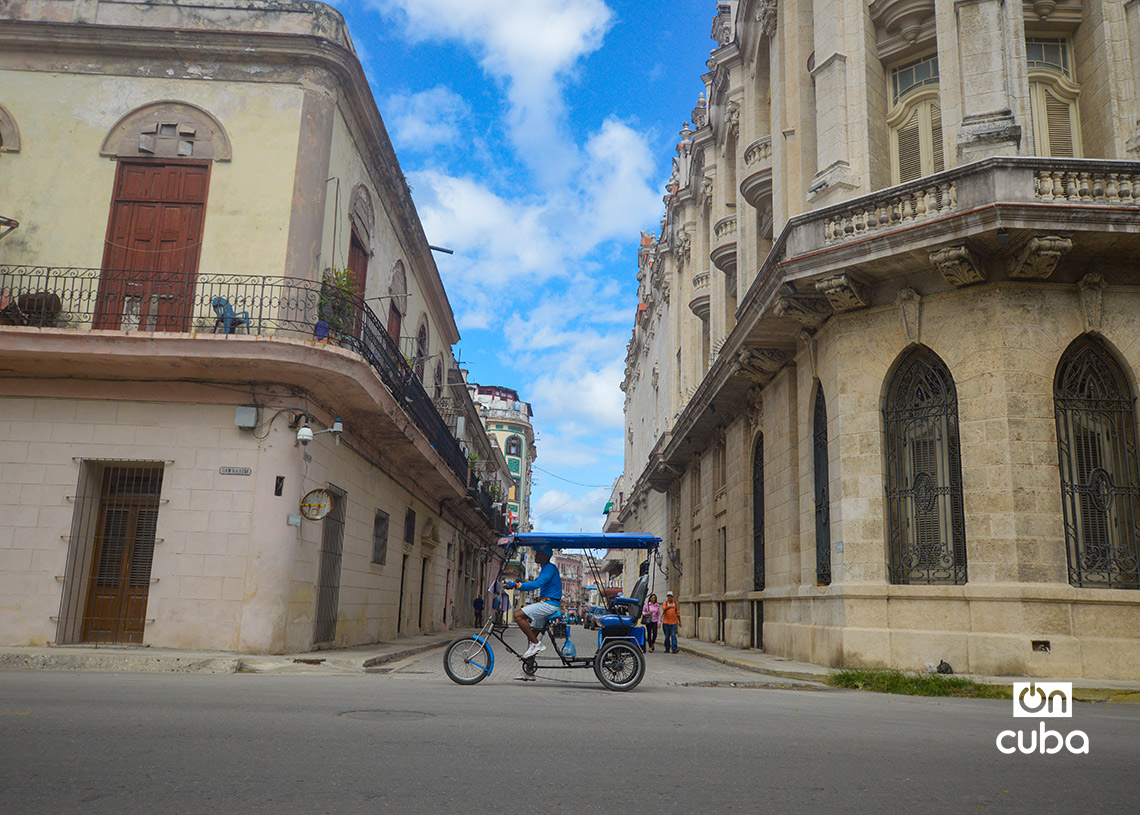
The place was initially occupied by wooden barracks to quarter soldiers, which later, now in the hands of the consulate, were inhabited by black muzzles. However, as the land gained value and more people settled in the area outside the walls, these barracks decreased until they disappeared in the first half of the 19th century.
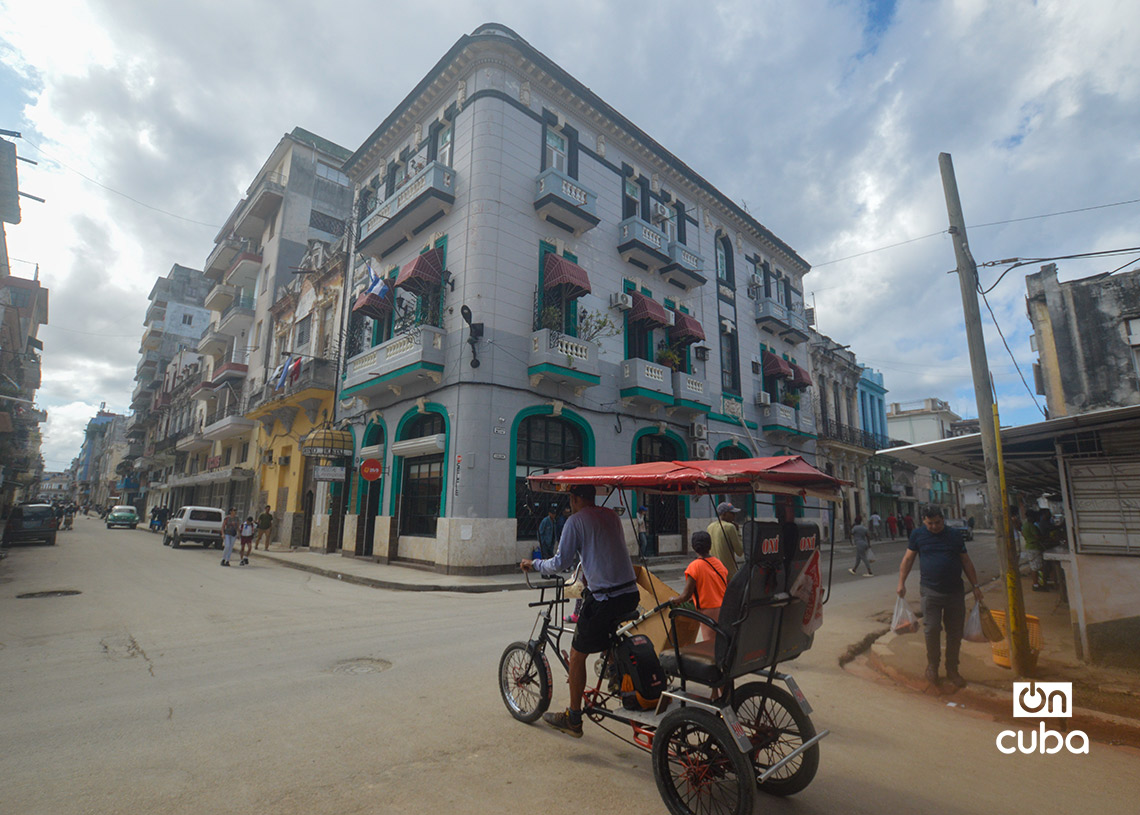
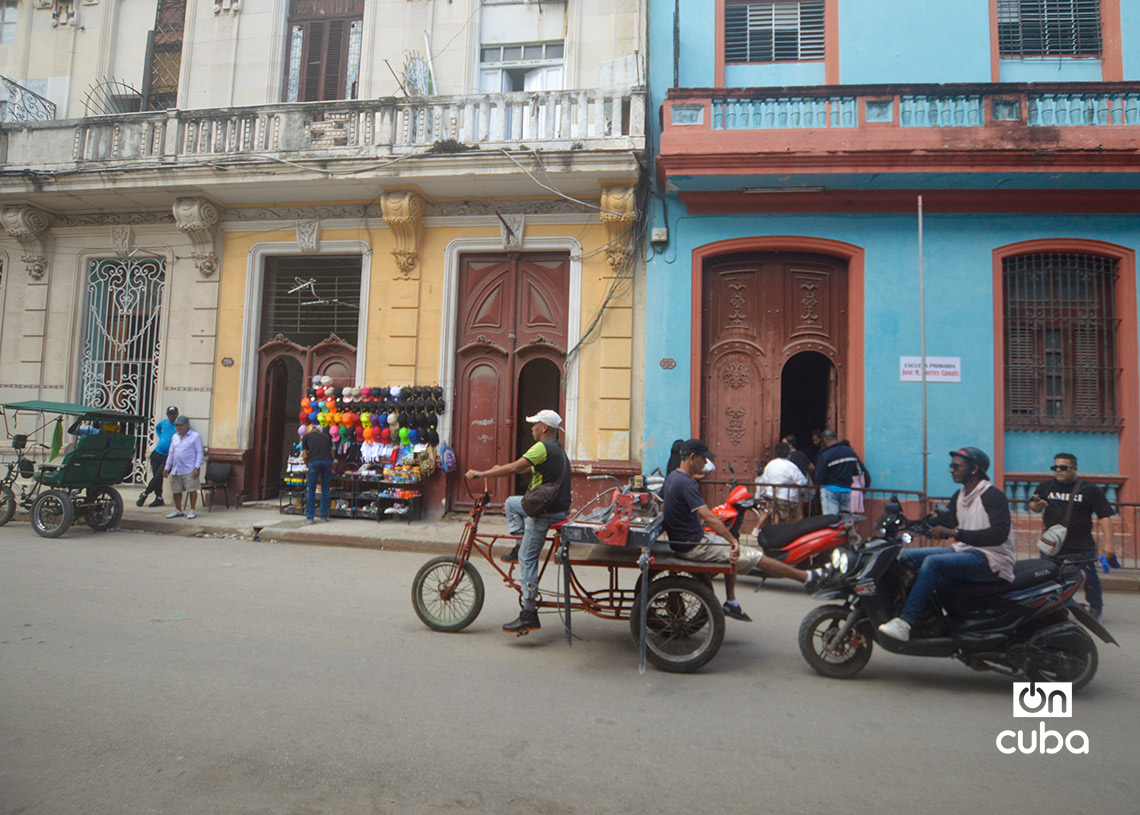
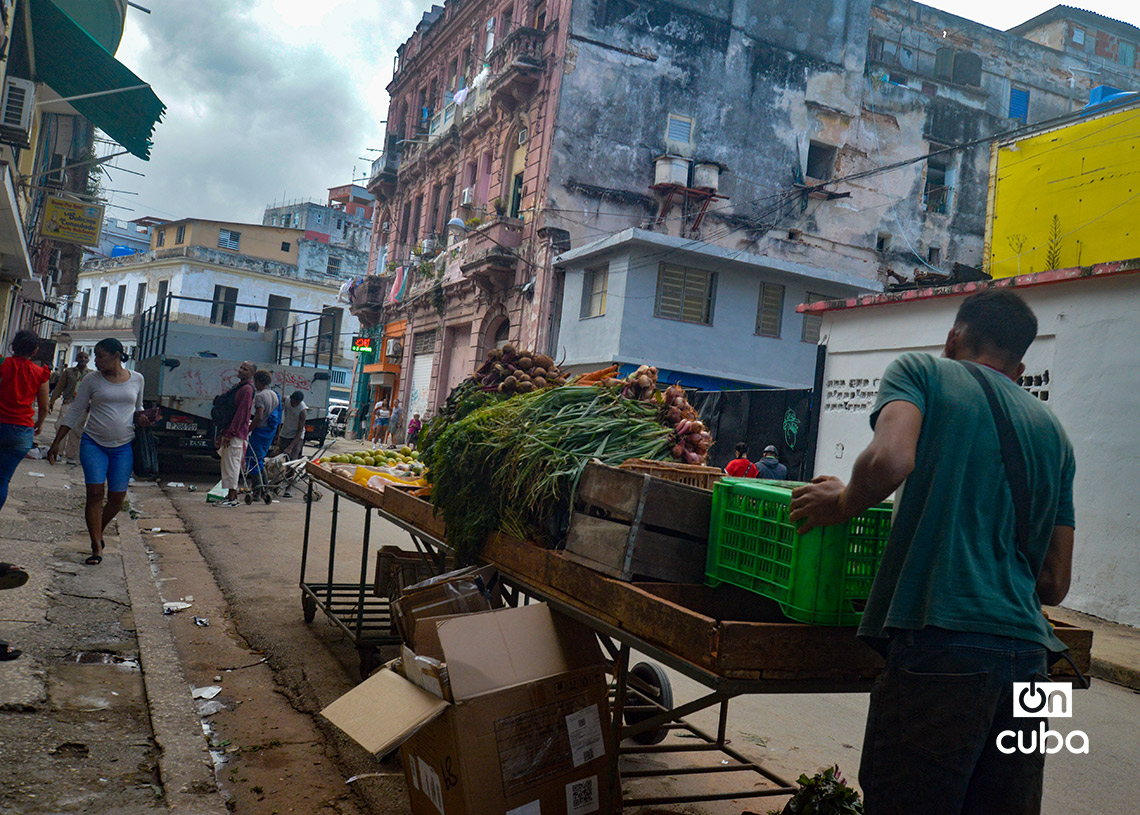
Consulado Street then became a primarily residential thoroughfare, with homes and businesses making it a site of increasing prominence. These businesses, including shops and gastronomic stalls, became numerous both in its section near the Prado and in its southern part, between Neptuno and San José streets.
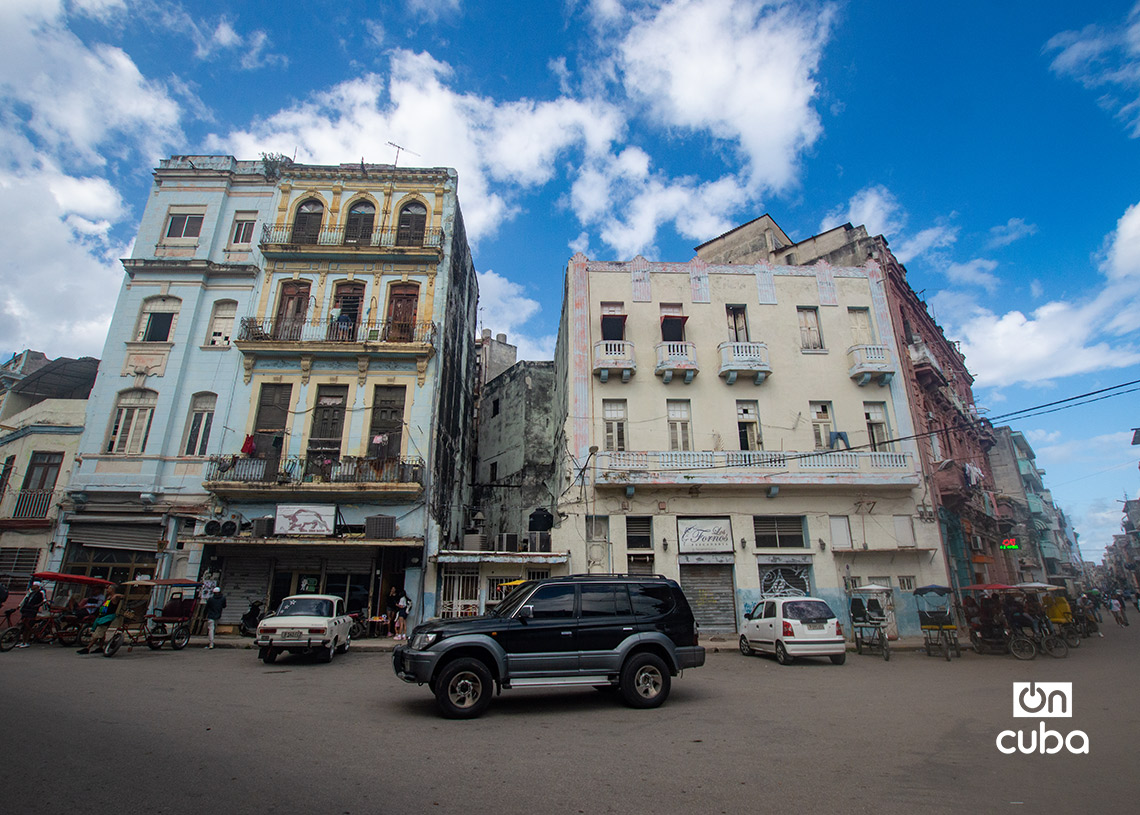
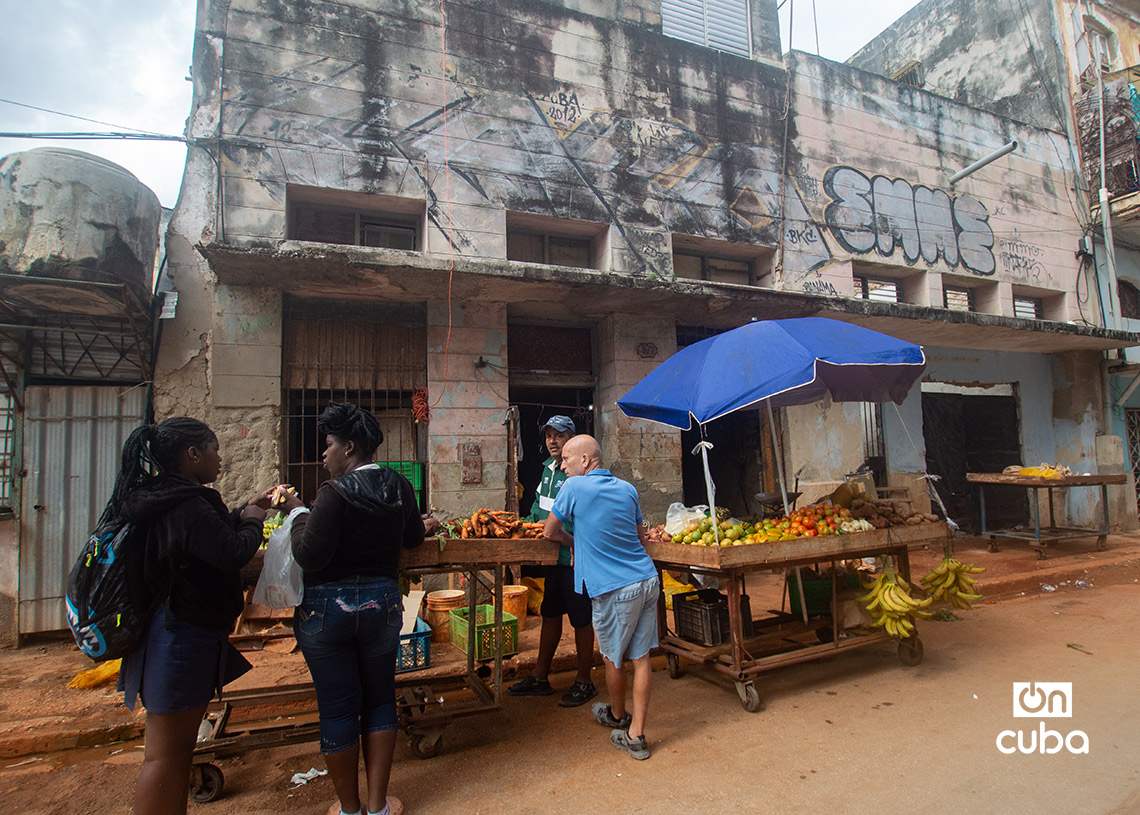
On its route, the Consulate crosses several of the main arteries of Central Havana. After a first short stretch to Genios, it begins a journey towards the south in which it intersects with streets such as Colon, TrocaderoÁnimas, Neptuno and San Miguel, and towards the end, before leading to San José and the Capitol gardens, it passes through the busy San Rafael Boulevard.
At the beginning of the 20th century, the Havana City Council officially changed its name to Tomás Estrada Palma, elected first president of the Republic. However, as happened with other well-known roads in the city, many people continued to call it by its old name, which led to the name being restored several years later.
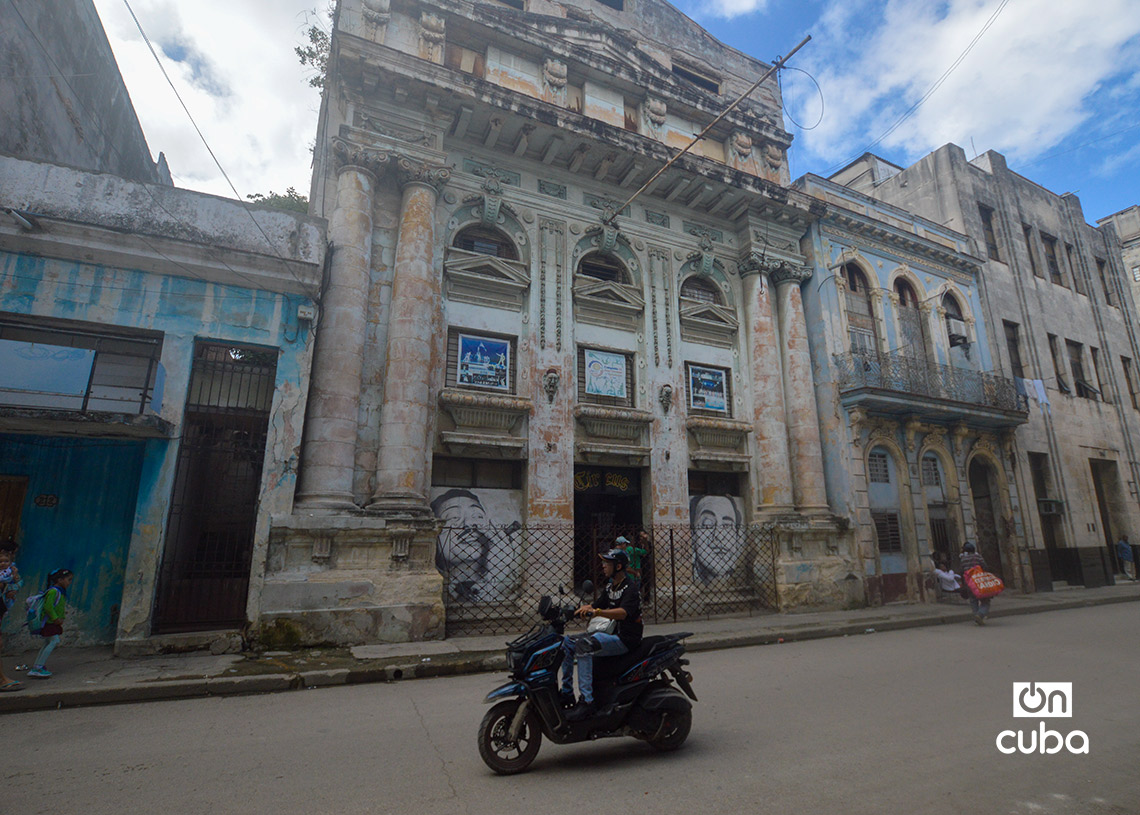
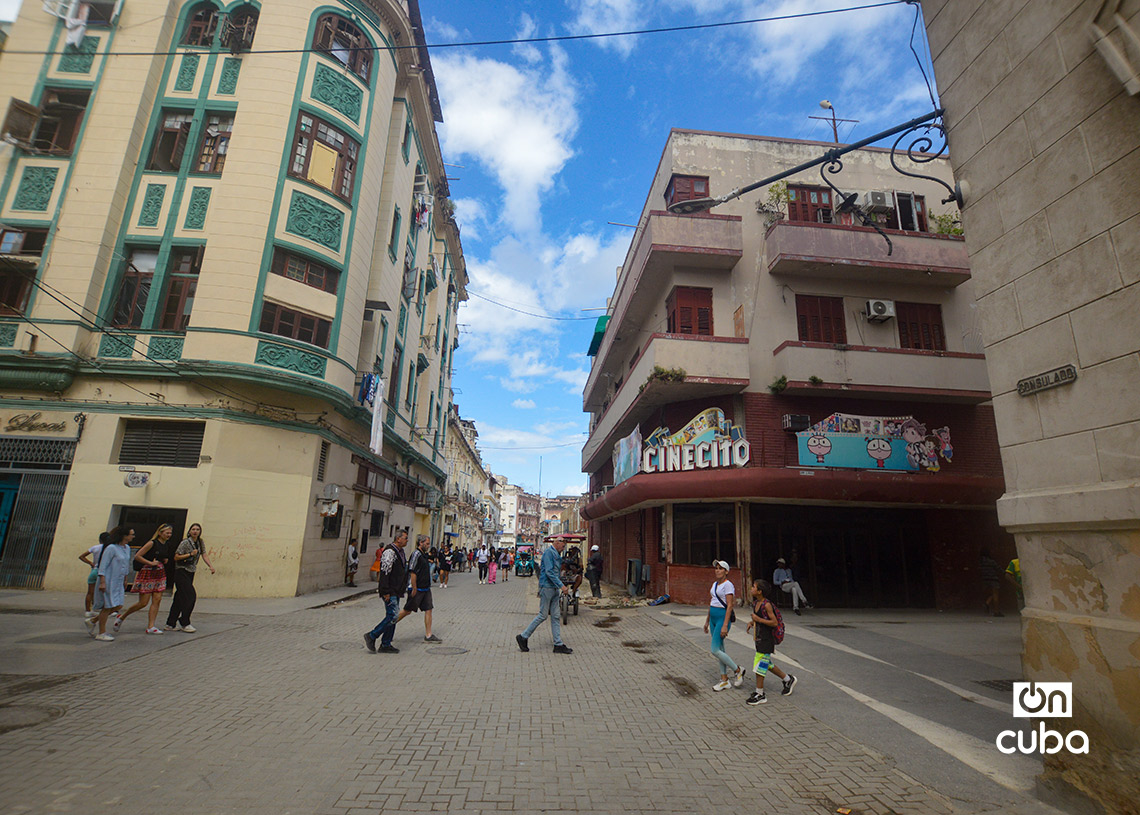
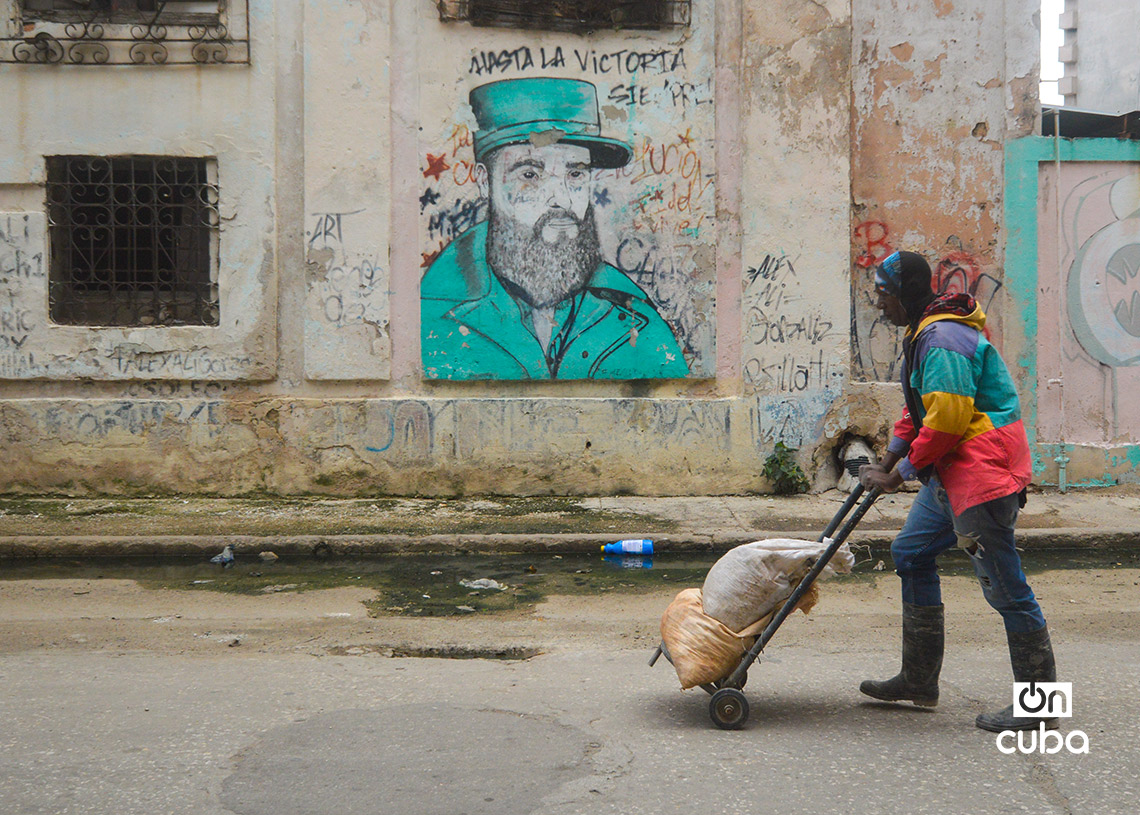
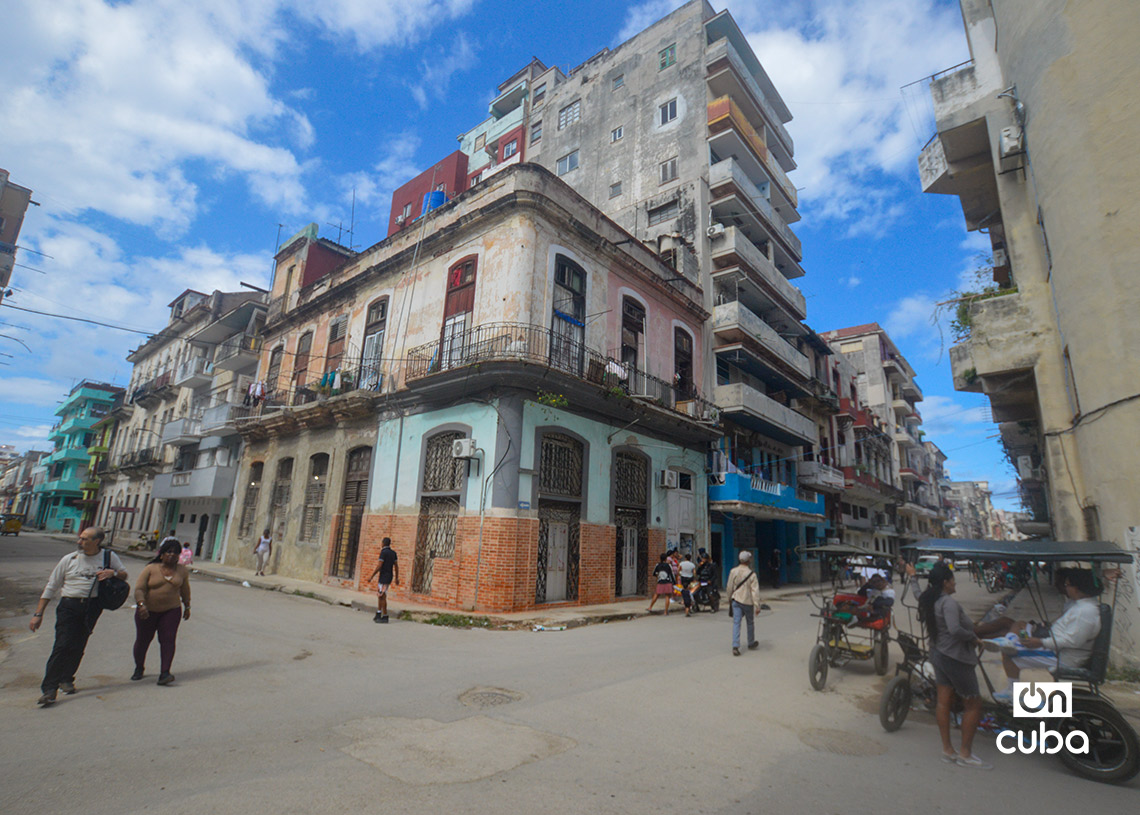
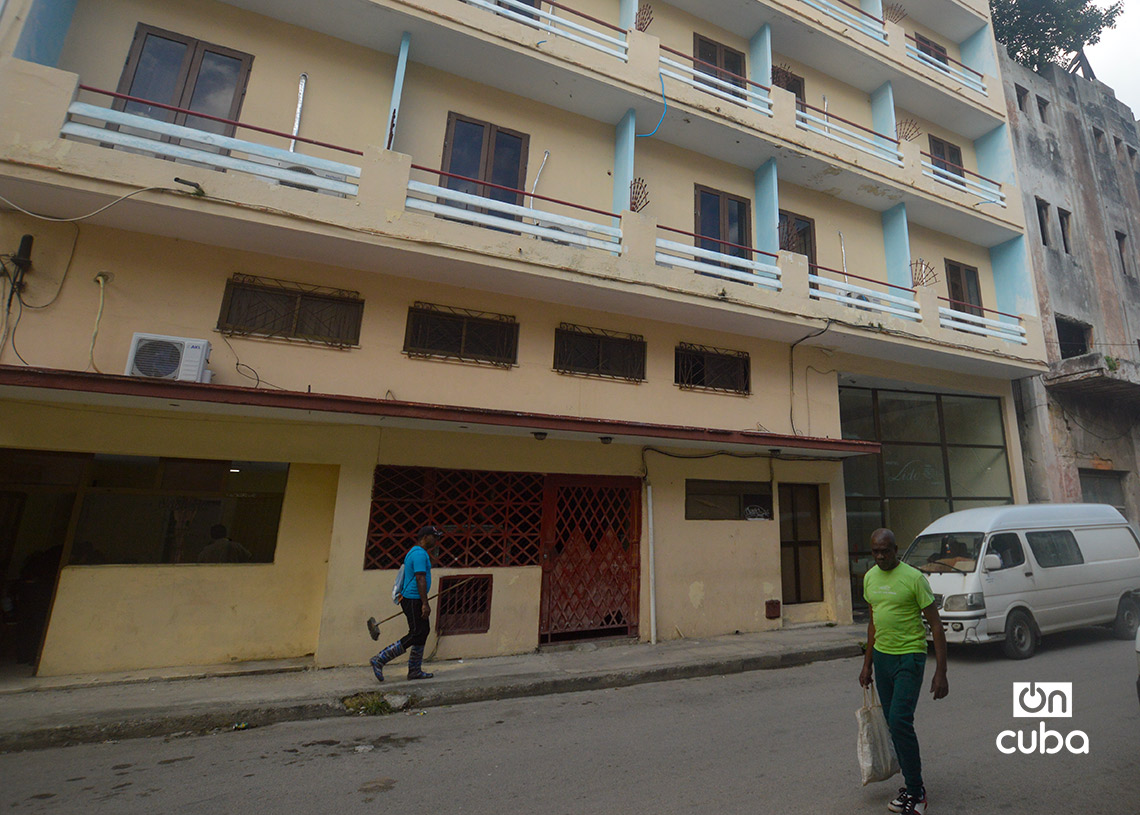
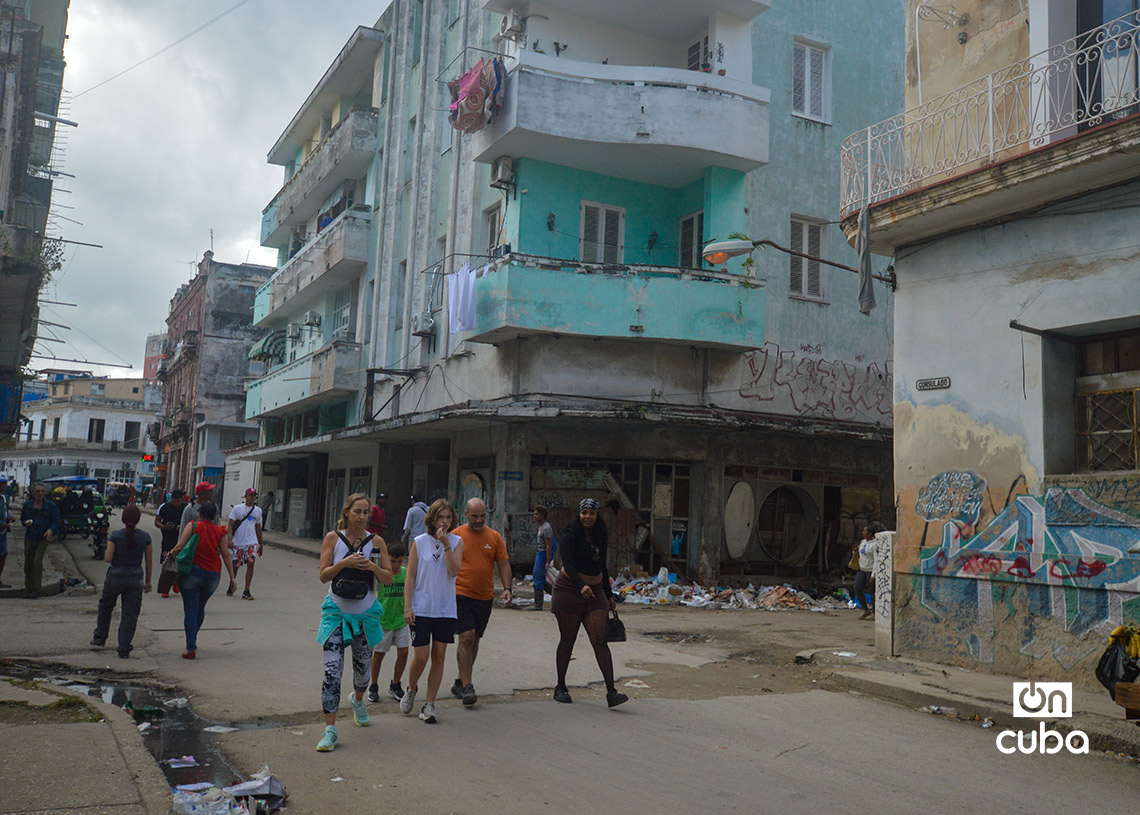
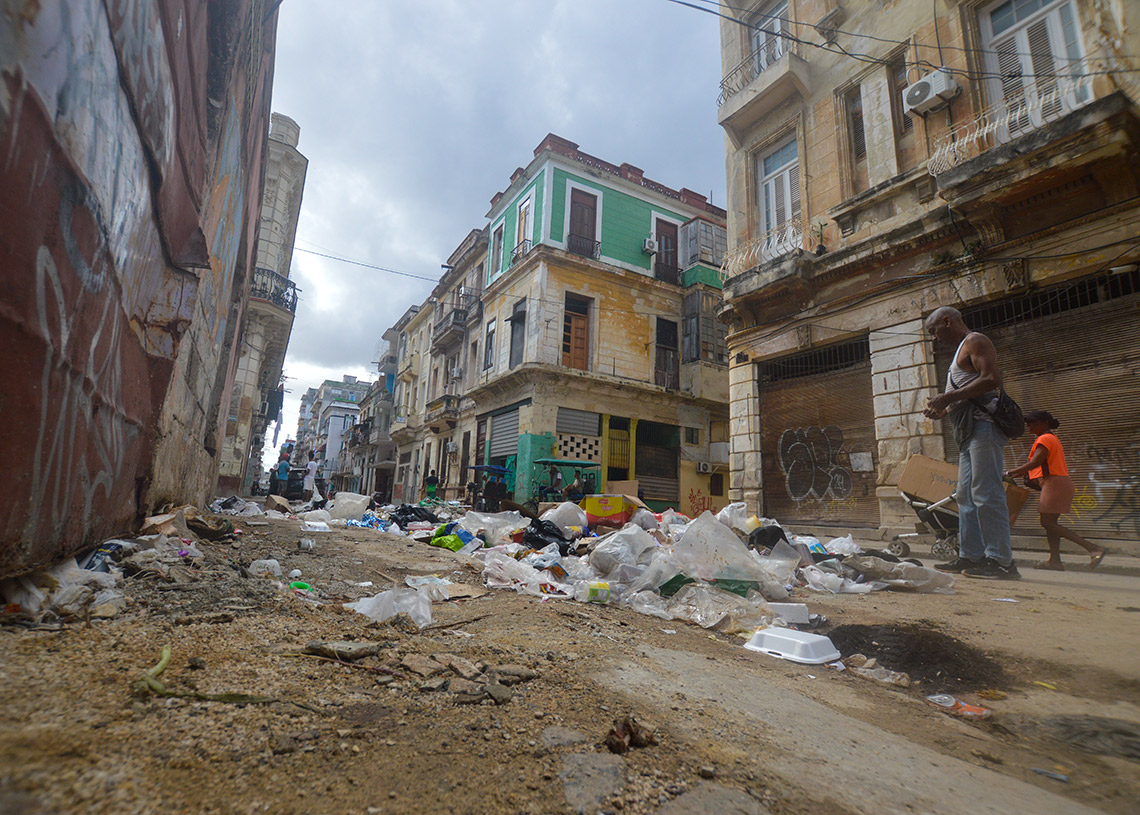
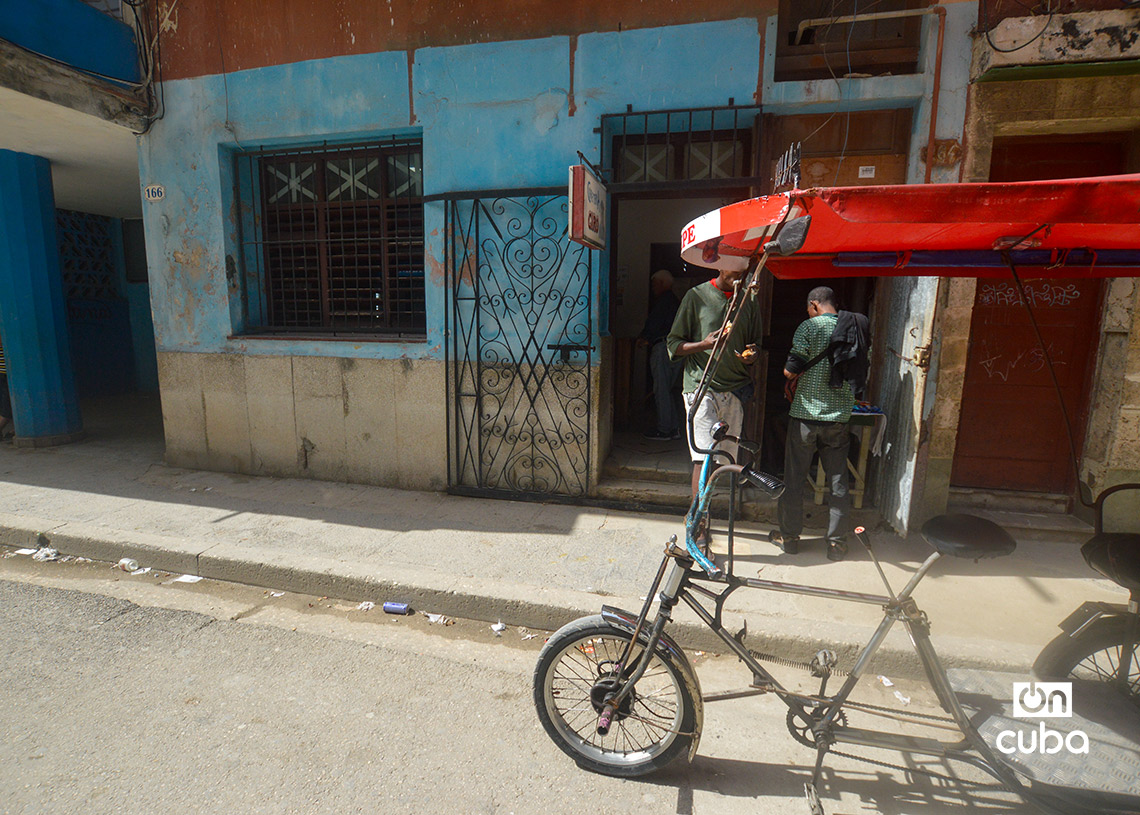
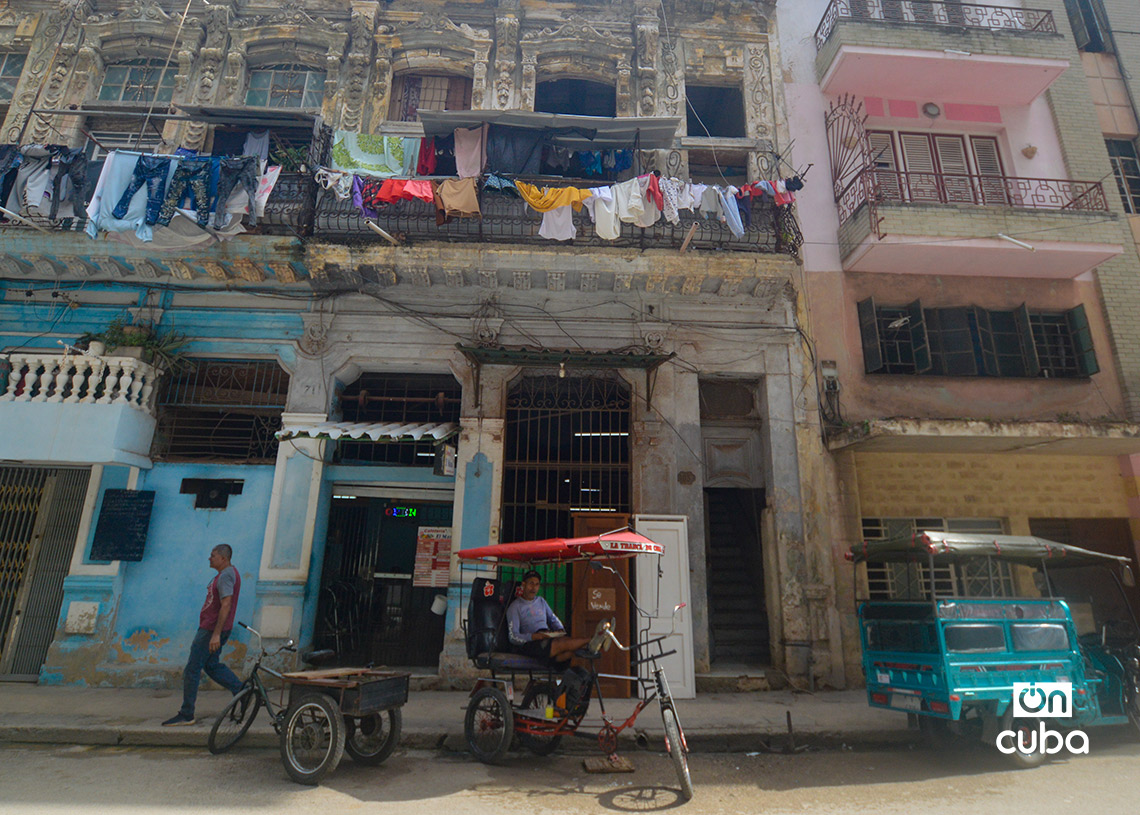
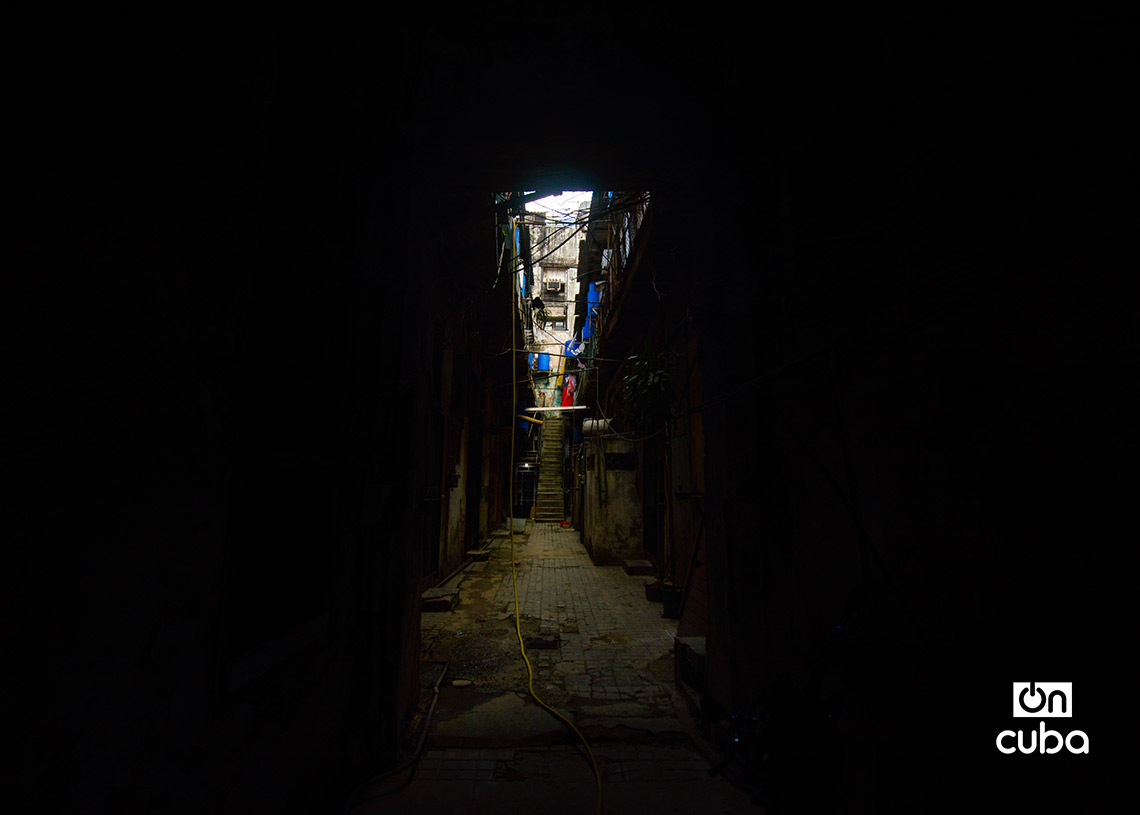
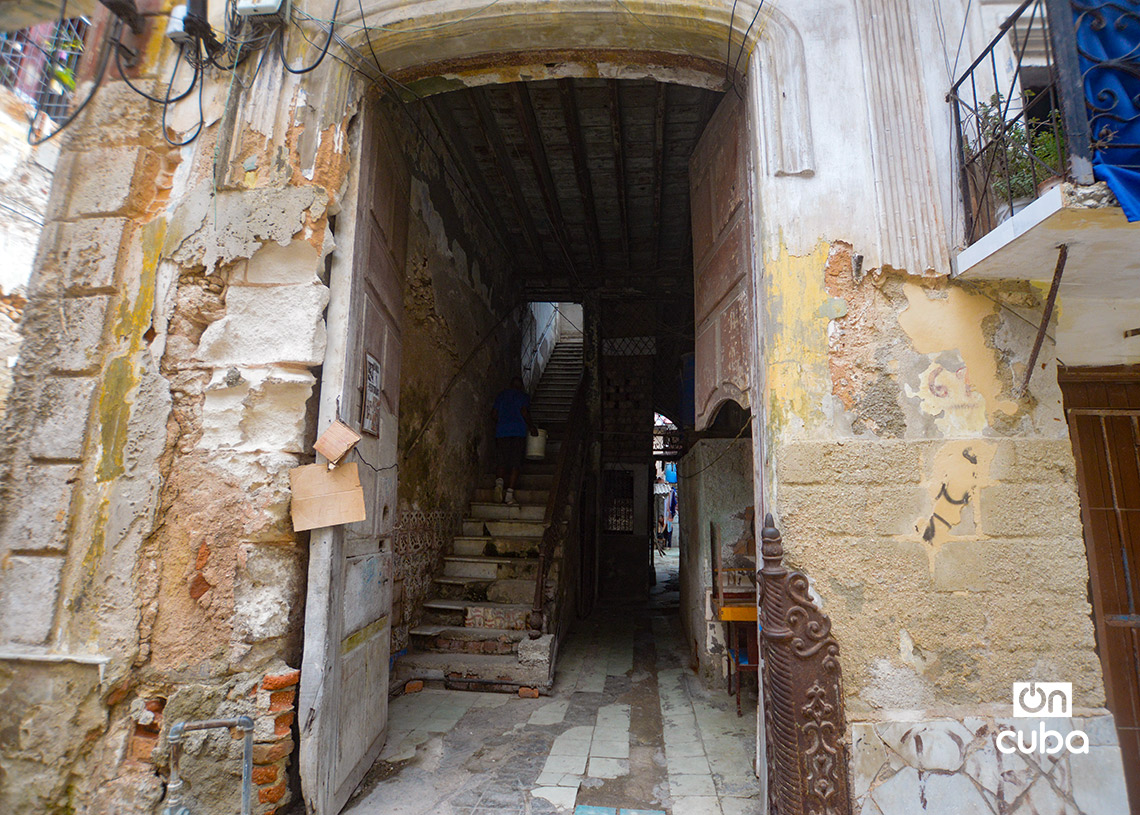
Currently, Consulado Street is a mirror of the situation that Havana and all of Cuba are going through. Many buildings openly show their deterioration after years of crisis and also the contrasts between those who have the resources to lead a better life and those who do not. There is also no shortage of potholes, accumulated garbage, bustling traffic and daily survival.
Thus, from the Prado to the Capitol, Consulado stands as a kind of microcosm of a city with a rich heritage and a very difficult present, which tries to sustain itself day by day, gripped by shortcomings and difficulties. This is how Otmaro Rodríguez shows it to us this Sunday in his usual photographic tour of the Cuban capital.