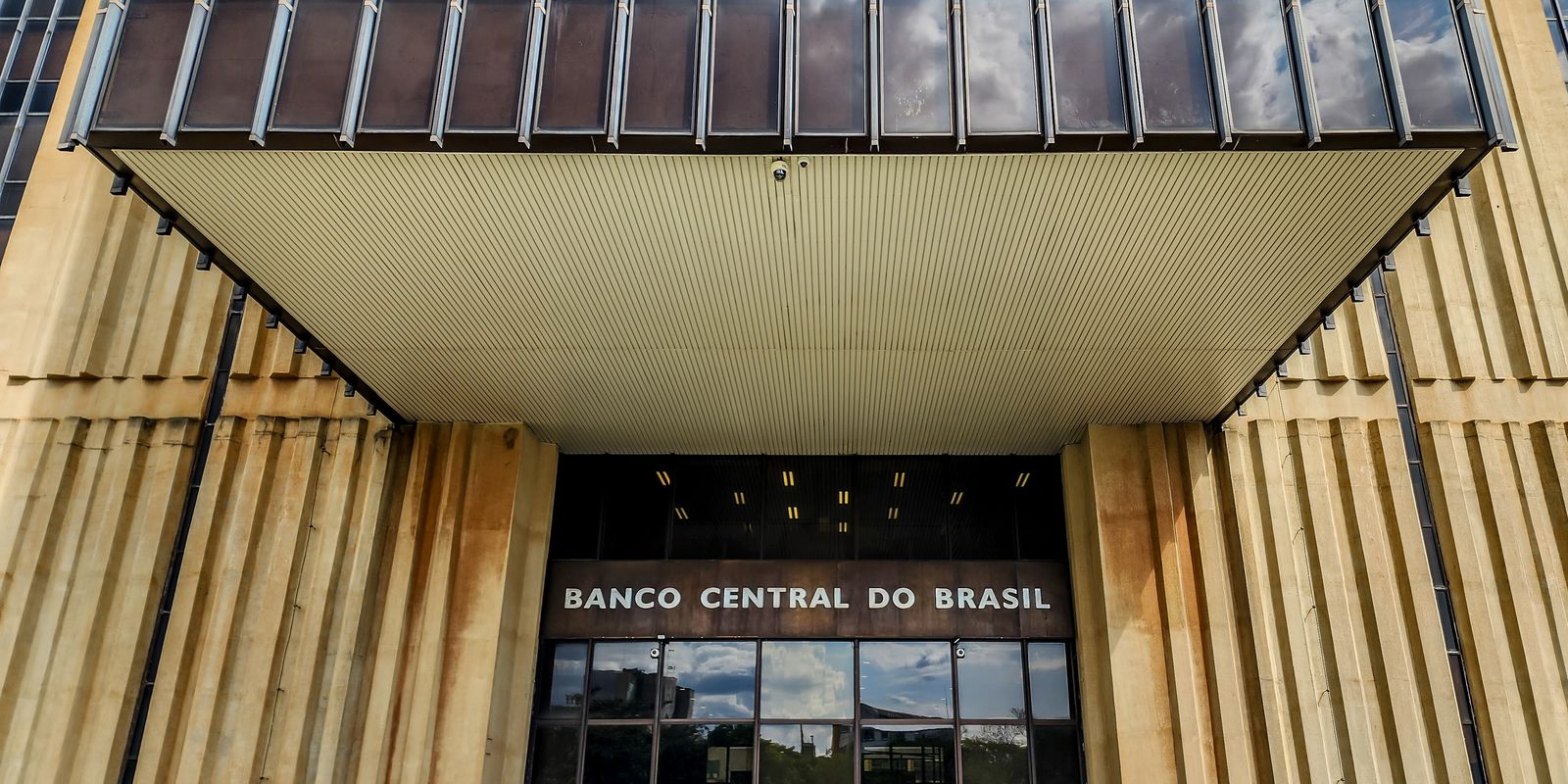
The Central Bank (BC) decreed the extrajudicial liquidation of Will Financeira SA Crédito, Financiamento e Investimento, an institution controlled by Banco Master. The bank, also liquidated by the BC, has been operating under a Special Temporary Administration Regime (RAET) since its liquidation, decreed in November 2025.
The liquidation of Will Bank was announced this Wednesday (21). According to the BC, among the measures envisaged is the unavailability of the assets of the controllers and former administrators of the institution, which was part of the Master conglomerate.
Led by Banco Master, the conglomerate held 0.57% of total assets and 0.55% of total funding from the National Financial System (SFN).
“When the extrajudicial liquidation of Banco Master was decreed, the imposition of the RAET on Master Múltiplo S/A was considered appropriate and in line with the public interest, given the possibility of a solution that would preserve the operation of its subsidiary Will Financeira”, explained the BC.
Inevitable liquidation
The BC, however, assessed that this solution did not prove to be viable, after finding, on January 19, “the non-compliance by Will Financeira with the payment schedule with the Mastercard Brasil Soluções de Payments payment arrangement and the consequent blocking of its participation in this arrangement.”
Faced with this situation, the monetary authority considered the extrajudicial liquidation of Will Financeira inevitable, “due to the compromise of its economic-financial situation, its insolvency and the link of interest evidenced by the exercise of the power of control of Banco Master”.
Understand the case
Controlled by banker Daniel Vorcaro, Banco Master grew quickly by offering Bank Deposit Certificates (CDB) with profitability well above the market average.
To support the model, the bank began to take excessive risks and structure operations that artificially inflated its balance sheet, while real liquidity (money immediately available to reimburse investors) deteriorated.
Federal Police investigations and BC reports indicate that Master’s collapse was not only financial, but also institutional.
The connection with the manager Reag Investimentos, the attempted sale to Banco de Brasília (BRB) and the pressure on control bodies transformed the case into a complex chess game, with a direct impact on investors and the credibility of institutions.
Between 2023 and 2024, Master would have diverted around R$11.5 billion through triangulations. The bank lent resources to supposedly orange companies that invested the money in funds from the Reag Investimentos management company.
These funds purchased assets of low or no real value, such as certificates from the extinct Banco Estadual de Santa Catarina (Besc), at inflated prices. THE The Central Bank then identified six suspicious Reag funds, with combined assets of R$102.4 billion – money that circulated between funds linked to the same intermediaries, until reaching the final beneficiaries.