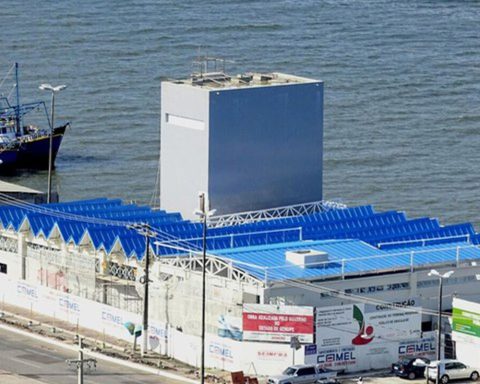
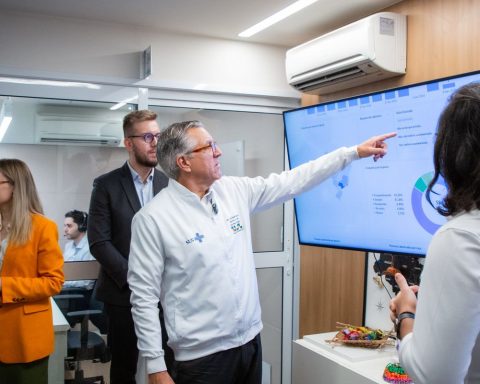
An event in the city of Rio Grande, in the extreme south of Rio Grande do Sul, this Tuesday (20), marked the signing of contracts for the construction of five gas tankers, 18 pushers and 18 barges. In all, The investment is R$2.8 billion, with the potential to generate more than 9,000 direct and indirect jobs, according to the federal government. The ceremony was attended by President Luiz Inácio Lula da Silva, the governor of Rio Grande do Sul, Eduardo Leite, as well as ministers, parliamentarians and other authorities.
The vessels were ordered and will be operated by Transpetro, Petrobras subsidiary responsible for the logistics of transporting oil and oil products. They will be built in shipyards in three states. In Rio Grande do Sul, the Rio Grande Ecovix shipyard will be responsible for the gas tanker work, worth a total of R$2.2 billion. This type of ship is designed to store and transport liquefied gases, such as LPG, used daily by millions of consumers in the country. The first delivery is scheduled for 33 months from now, with subsequent deliveries occurring every six months.
In Amazonas, the Bertolini Construção Naval da Amazônia shipyard, in Manaus, will build the 18 barges, strengthening the navigation mode within Transpetro. These vessels are used to transport large volumes of containerized cargo. The value of the investment reaches R$295 million.
In Santa Catarina, the Indústria Naval Catarinense shipyard, in Navegantes, will build the 18 pushers, which are propulsion vessels used to move barges. The total cost will be R$325 million.
With the vessels, according to Petrobras, Transpetro’s gas tanker fleet will increase from six to 14, tripling the current transport capacity of LPG and derivatives. The objective, according to the company, is to reduce dependence on chartering this type of ship. The new gas tankers, informed the state-owned company, will be up to 20% more efficient in energy consumption, will reduce greenhouse gas emissions by 30% and will be able to operate in electrified ports. “This means that they will be top in embedded technology”, stated the president of Petrobras, Magda Chambriard, during the event.
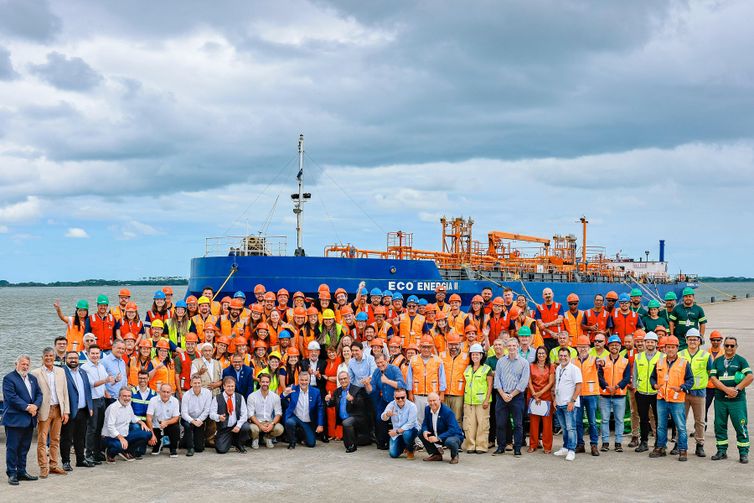
President Lula visits the Ecovix Shipyard facilities – Photo: Ricardo Stuckert/PR
Naval industry
All hiring takes place within the scope of the federal government’s Mar Aberto Program, created to activate the Brazilian naval industry. The program foresees R$32 billion in investments in the manufacture of ships and vessels until 2030. The initiative foresees the construction of 20 cabotage ships, in addition to 18 barges and 18 pushers, as well as the chartering of 40 new support vessels intended for renewing the fleet to support exploration and production (E&P) activities.
“The resumption of the naval industry is also due to the Brazilian government developing a specific industrial policy for the sector. Without the local content policy, resources from the Merchant Navy fund, mechanisms such as accelerated depreciation [incentivo fiscal]it would not be possible for us to be here signing these contracts”, highlighted the president of Transpetro, Sergio Bacci.
Job generation
At the Rio Grande shipyard alone, 7,000 new direct and indirect jobs are expected to be created, which will require specialized qualifications.
“These orders will require a significant number of qualified professionals and will be in demand from March this year. And that is why we are supporting the naval industry with our program [de] autonomy and income. This program will offer an additional 1,600 places in training courses with grant assistance. In this context, a new Senai school will be inaugurated in March, here in Rio Grande. [Serviço Nacional de Aprendizagem Industrial]”, announced Magda Chambriard. According to the president of Petrobras, this new school will be used to train workers for the country’s naval industry.
Also according to Magda, the naval sector expanded from 18 thousand jobs, in 2022, to 50 thousand jobs at the end of last year. “These jobs will be expanded in 2026, 2027 and 2028, that is, we will get closer to the number of 80 thousand jobs in the Brazilian naval industry”, he projected.
“Today we have 400 employees here. With the contracts already signed, we should reach a level of around 4 thousand employees in the second half of 2027, that is, the next recruitments will be intensive”, stated José Antunes Sobrinho, shareholder of Ecovix, which operates at the Rio Grande do Sul shipyard.