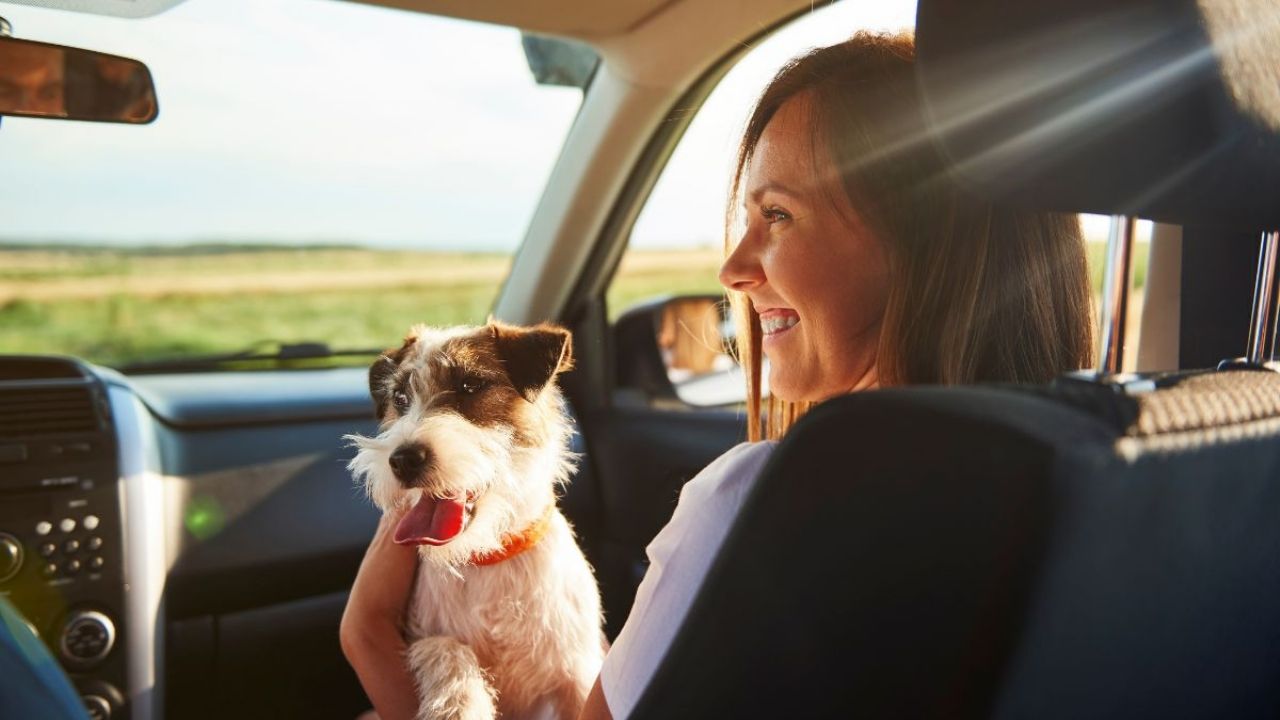
With the arrival of the 2026 summer season, thousands of tourists They plan their crossing through the mountain range, but it will lead to a pet requires prior logistics that cannot be left to the last minute. If you are Argentine and want to guarantee a safe entry to Chiliit is mandatory to obtain the International Veterinary Certificate (CVI), a document issued by SENASA and which validates the health status of the animal and allows its legal movement through customs.
What documents do you need to enter Chile with your pet?
This official procedure is the only one that enables passage through the border complex and has the advantage of being valid for 60 days to enter and leave, as long as your pet keep your vaccines up to date. It is not necessary for the owner to carry out the management in person, since the system allows a third party or manager to present the documents before the competent authorities, speeding up waiting times before hitting the road.
To obtain the corresponding authorization at the international crossing, owners must strictly comply with the following list of documentation of their pet:
- Health Certificate: Issued by a licensed veterinarian within 10 days prior to travel.
- Rabies vaccine: applied at least 21 days before admission for animals that do not have current boosters.
- Deworming: must be carried out (internal and external) between 5 and 30 days before crossing the border.
- SAG information: declaration of the address where the animal will reside in Chili and the transport route used.
- Personal documentation: photocopy of the ID of the person responsible for accompanying the animal.
Source: Shuterstock.
It is essential to pay attention to the timing of vaccinations, since if the deadlines are not met, the Chilean authorities could deny the entry of any pet to the trans-Andean territory. In the case of puppies under 90 days old, the regulations require that immunization against rabies be applied at least three weeks before transport, with no exceptions due to age or size.

Source: Shuterstock.
Once all the medical certificates have been collected, the process continues with validation in the offices of SENASA or through its online platform, where the corresponding fees are paid for each pet. This step is crucial because the Agricultural and Livestock Service (SAG) of Chile is extremely strict with the verification of signatures and seals, seeking to protect its national health status from exotic diseases.