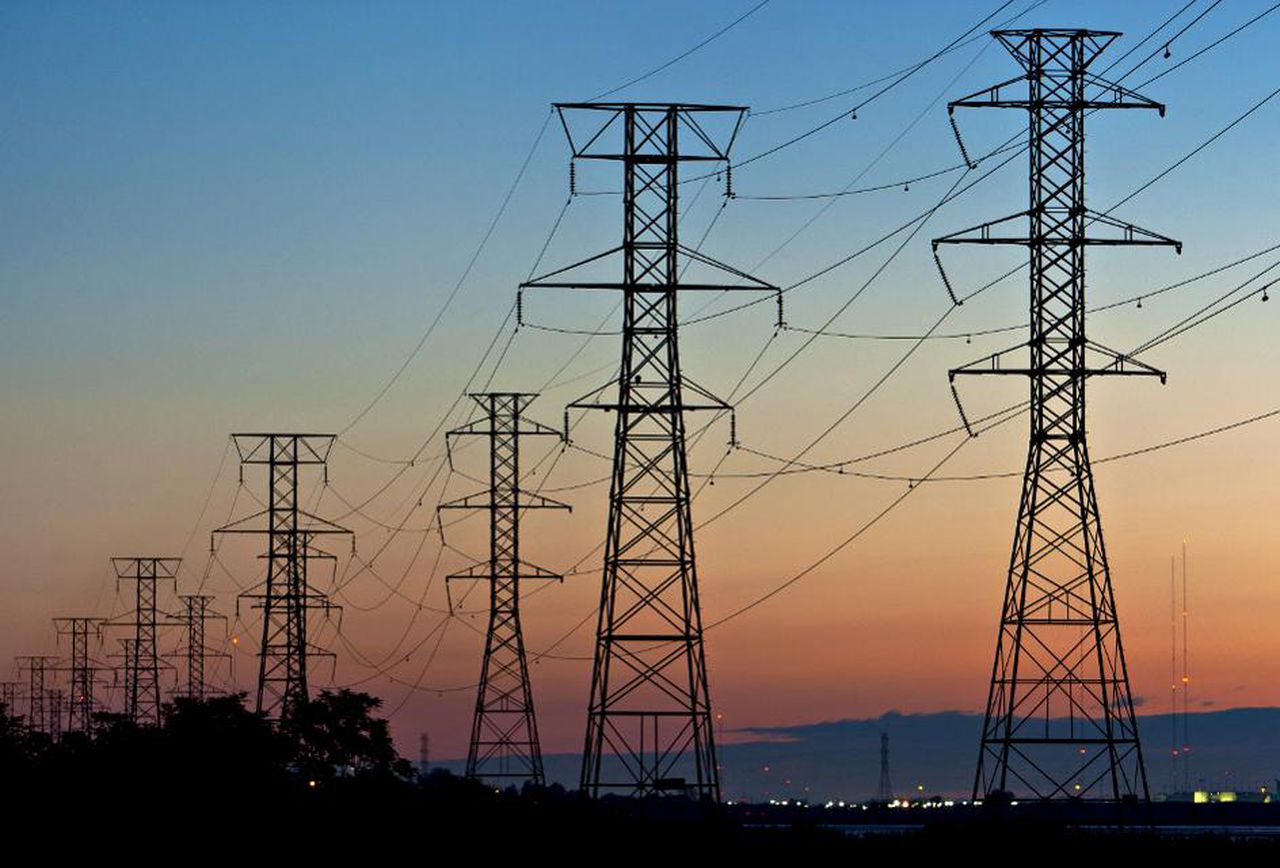
The electrical sector constitutes a bottleneck for the economy Venezuelansince its full functioning is essential to supply energy both to the facilities oil companies as well as companies in other sectors.
This is what he recognizes United States that, after the capture of Nicolás Maduro, declared himself willing to facilitate investments to rehabilitate the Venezuelan electrical system.
It is not just about turning on light bulbs, but about reactivating a colossus that has been in agony for years. Currently, in different regions of the country, families and businesses can spend up to four hours a day without electricity.
The US Department of Energy highlighted that the recovery of the Venezuelan electrical system seeks to “strengthen US national security in the Western Hemisphere and help restore Venezuela as a responsible and prosperous ally of the United States.”
Increasing oil production: priority for the US
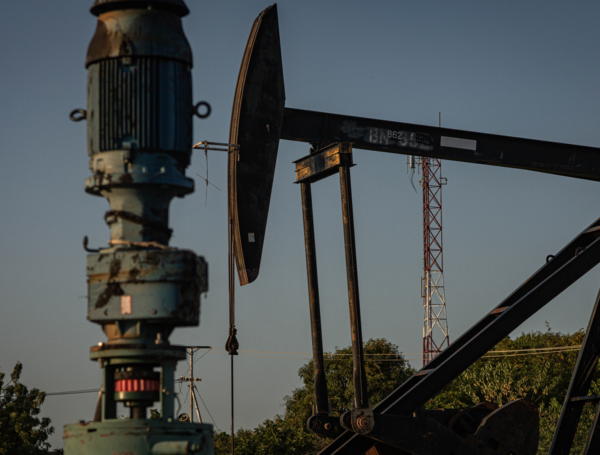
For the White House, it is a priority to increase oil production –Trump stated that Venezuela would send him between 30 and 50 million barrels of oil– so reactivating the electrical system is essential.
The United States has described this system as a “bottleneck” and a “deteriorating and fragile” network.
The Venezuelan electrical system is highly centralized and depends, for the most part, on hydroelectric energy (about 78%).
The US Department of Energy points out that there has been disinvestment and lack of maintenance, in addition to high transmission and distribution losses that cause blackouts.
According to the same source, the Venezuelan electrical network has lost more than 30% of its generation capacity, affecting both basic services and industrial production and oil activity.
Thus, the United States estimates the execution of investments in the acquisition of equipment, spare parts and technical services, with financial support from oil revenues.
As revealed by the White House, last week it completed the first transactions for $500 million, money that, under the intermediation of Qatar, will be administered by Washington for the benefit of Venezuela and the United States.
However, the US administration maintains that Without a fully operational electrical network it will not be possible to recover and increase Venezuelan oil productionmaking this issue a key point of the energy agreement.
How much energy generation is Venezuela capable of producing?
The numerical reality is stark: current energy generation in Venezuela barely reaches 70% of its maximum recorded in 2014, a figure that was already precarious given that the Venezuelan Corporation of Guayana (CVG), the country’s largest industrial consumer, operated at minimum levels at that time.
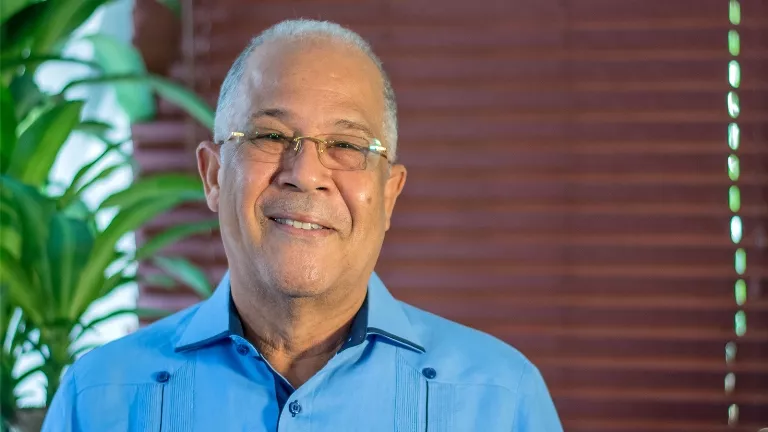
“The sector stopped investing since the crisis of the 90s. And even with the electrical emergency, it was not possible to improve either generation or transmission. Furthermore, 50% of the energy generated cannot be charged because it is pirated.”explained to THE TIME Oswaldo Felizzola, coordinator of the International Center for Energy and Environment of Venezuela.
Gas and electricity: a broken cycle
Venezuela’s historical strategy was a simple but effective symbiosis: PDVSA supplied the gas and Corpoelec returned the electricity. This cycle was broken. Today, electrical deterioration is one of those responsible for the drop in oil production; Without constant power, wells and pumping stations simply stop.
A source with knowledge of the matter added that the recovery of the system requires time, a monumental financial architecture and “political will.”
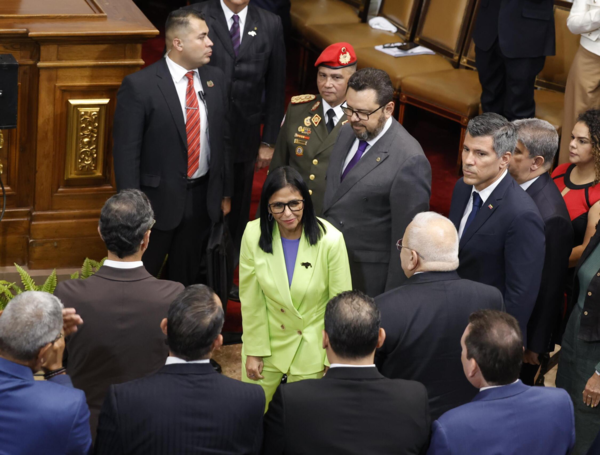
According to Washington, Delcy Rodrigueznow in charge of leading Venezuela, “has cooperated” and met the demands of the United States, a country that has held meetings with oil giants to incorporate them into investing in Venezuela.
Part of the proposal donald trump for the energy issue is to establish priorities such as attention to transmission lines and the recovery of generation capacity, directly impacting daily life, since Venezuelans survive long hours without electricity daily.
The entry into Venezuela of spare parts equipment and specialized services has also been authorized.
The rescue map: times and costs
Unlike other sectors, the electricity recovery will not be immediate. A roadmap divided into two critical stages is estimated:
- Phase 1: Operational stabilization. With an investment of between 30 and 50 billion dollars over a period of five years, the aim is to stabilize the current system. The immediate objective is to stop the blackouts and guarantee energy to reactivate oil production.
- Phase 2: Industrial reactivation. For Venezuela to recover its total economic muscle, the figure could easily climb to 100 billion dollars.
“Reactivating the electricity sector, at least in the first phase, would guarantee the recovery of oil production, as well as the improvement in blackouts. In the second phase, reactivating the CVG would produce an improvement in the quality of life by diversifying the oil economy, even making investment attractive for more companies in Venezuela,” details Felizzola.
Is Venezuela heading towards a new golden century?
The commitment of this international investment not only seeks to alleviate the humanitarian crisis derived from failures in public services. Its objective is strategic: By recovering electricity, the economy is diversified beyond crude oil, making Venezuela attractive to new global companies.
Some optimists even suggest that, if these plans are executed with transparency, Venezuela could emulate the sustained growth pattern it experienced during the second quarter of the 20th century when it became an emerging power.
For now, the US announcement represents the first step on a long and expensive path. The electrical system is no longer just an engineering problem; It is the board where the future of the economic viability of the nation is played.
*The Grupo de Diarios América (GDA), to which El Nacional belongs, is a network of leading media outlets founded in 1991, which promotes democratic values, the independent press and freedom of expression in Latin America through quality journalism for our audiences.