Today: January 18, 2026
January 18, 2026
2 mins read

The Costa Battery No.1, 130 years later

The Costa Battery No.1, 130 years later

130 years ago the construction of the Costa Battery No.1 began. Its construction was part of Spain’s last attempt to protect Havanaand with it, the last vestiges of its once glorious colonial empire in America.

Located on the other side of the bay, in the current municipality of Habana del Este, it was built at the end of the 19th century to reinforce the defense of the Cuban capital. At that time, the Creoles were fighting hard to achieve their independence and the United States was lurking, waiting for a military intervention against which the new Spanish fortification could ultimately do little.
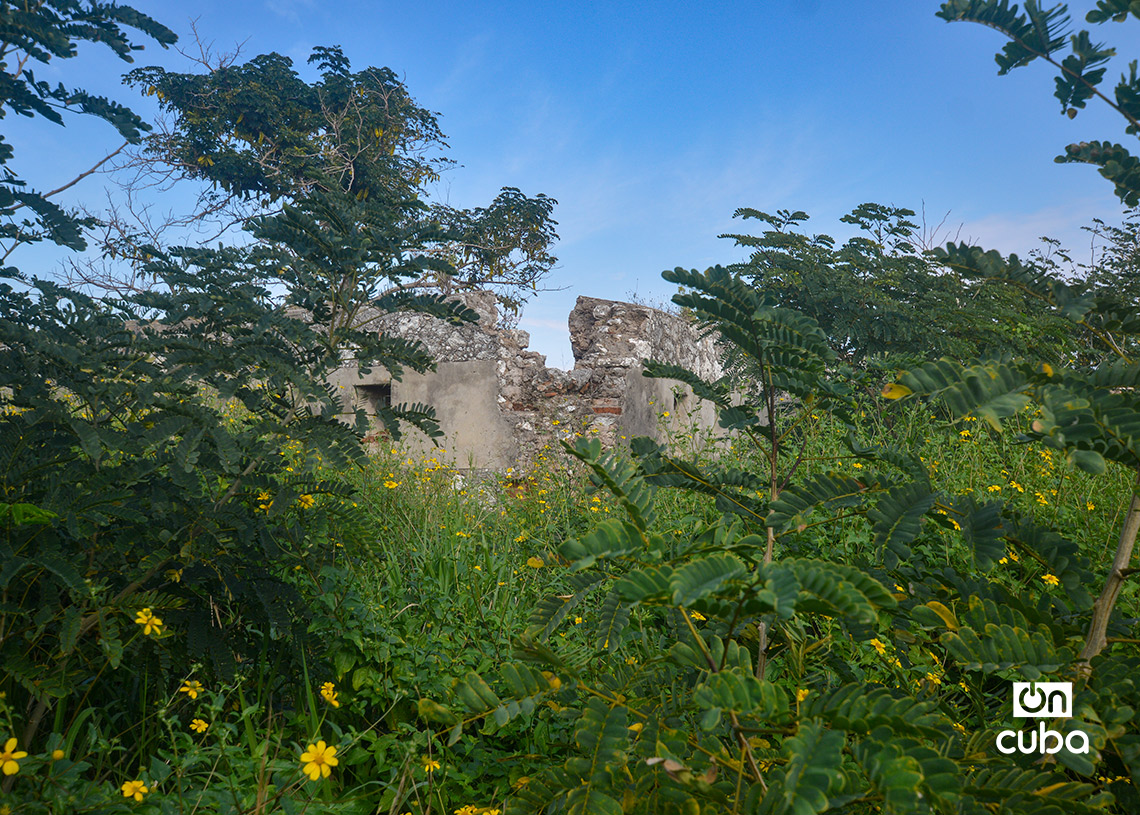
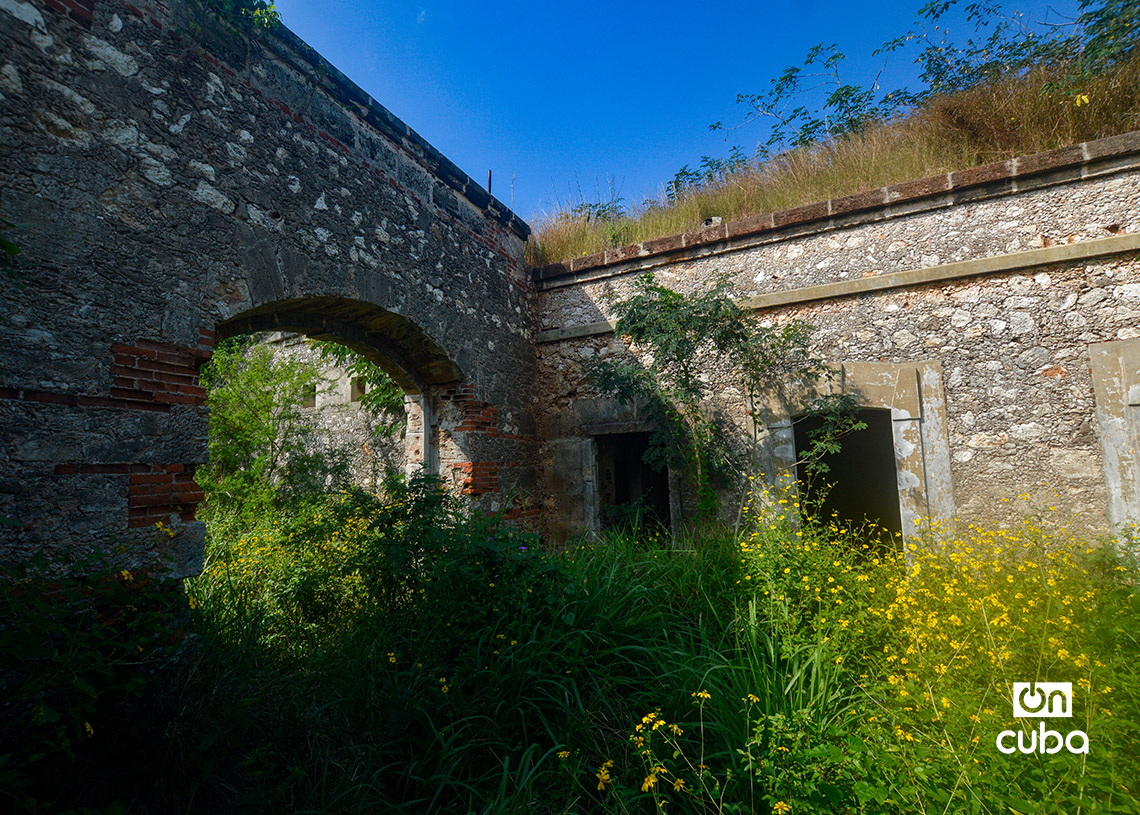
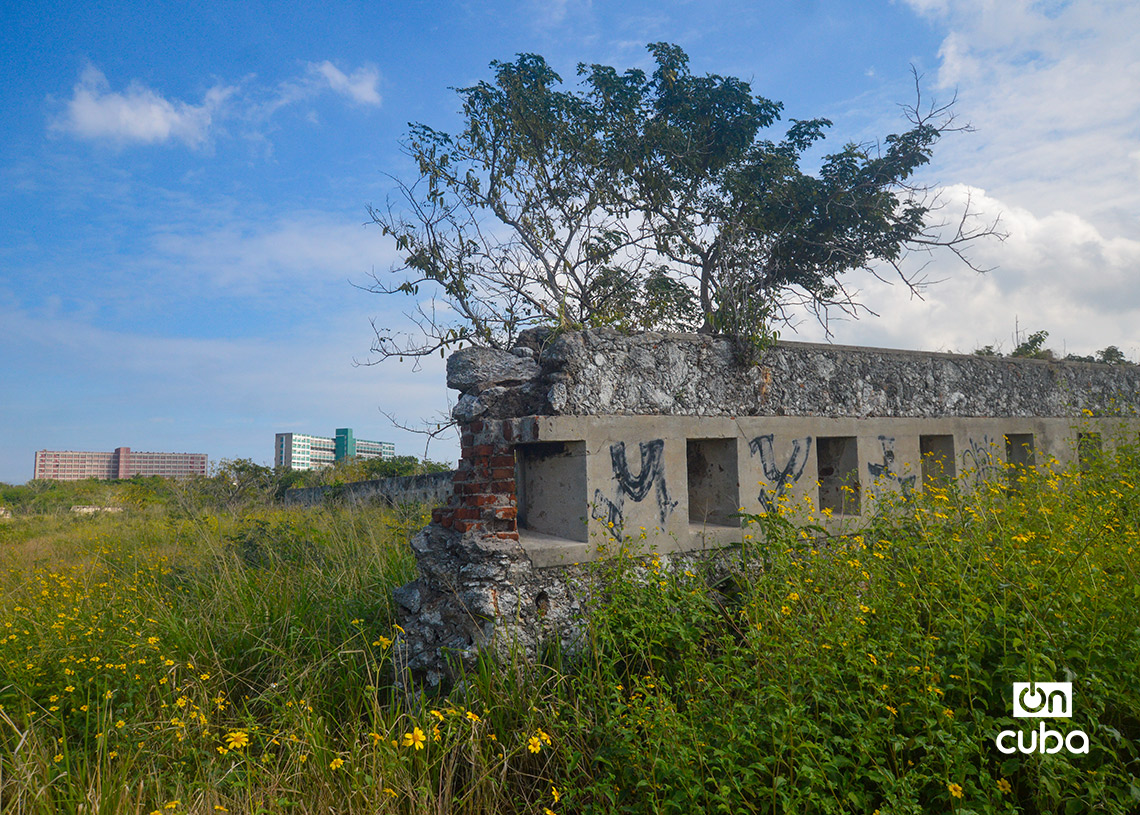
The Costa Battery No.1, in Eastern Havana. Photo: Otmaro Rodríguez.

Battery No.1 is considered the last exponent of Spanish military engineering in America and, at the same time, a symbol of the transition between the world of bastioned fortresses and that of modern war. During the naval blockade of 1898 he only saw action for two days, during which he fired on American ships that approached the coast. That was his entire war record.

However, the facility has indisputable historical and heritage values. The fact that it was built following the most modern techniques of its time for this type of construction makes it a site that needs to be preserved. No wonder it is part of the complex declared a World Heritage Site by UNESCO in 1982, along with the historic center of Havana.
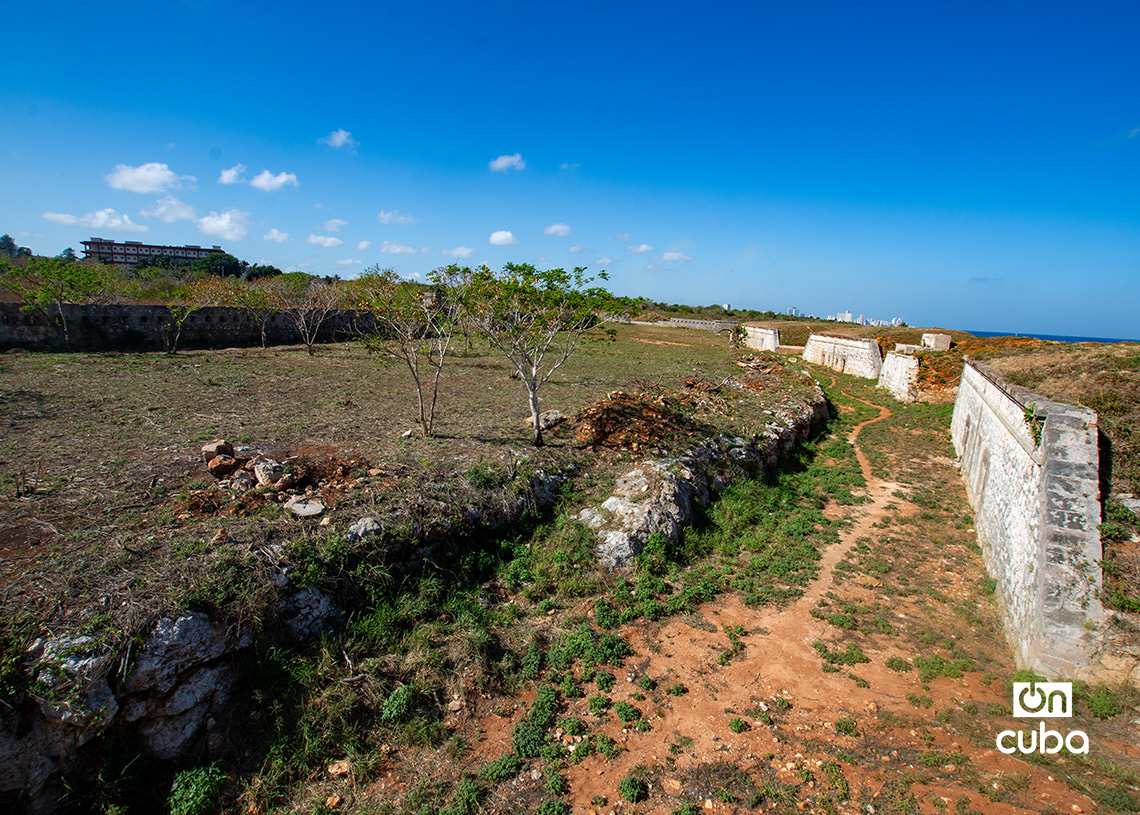
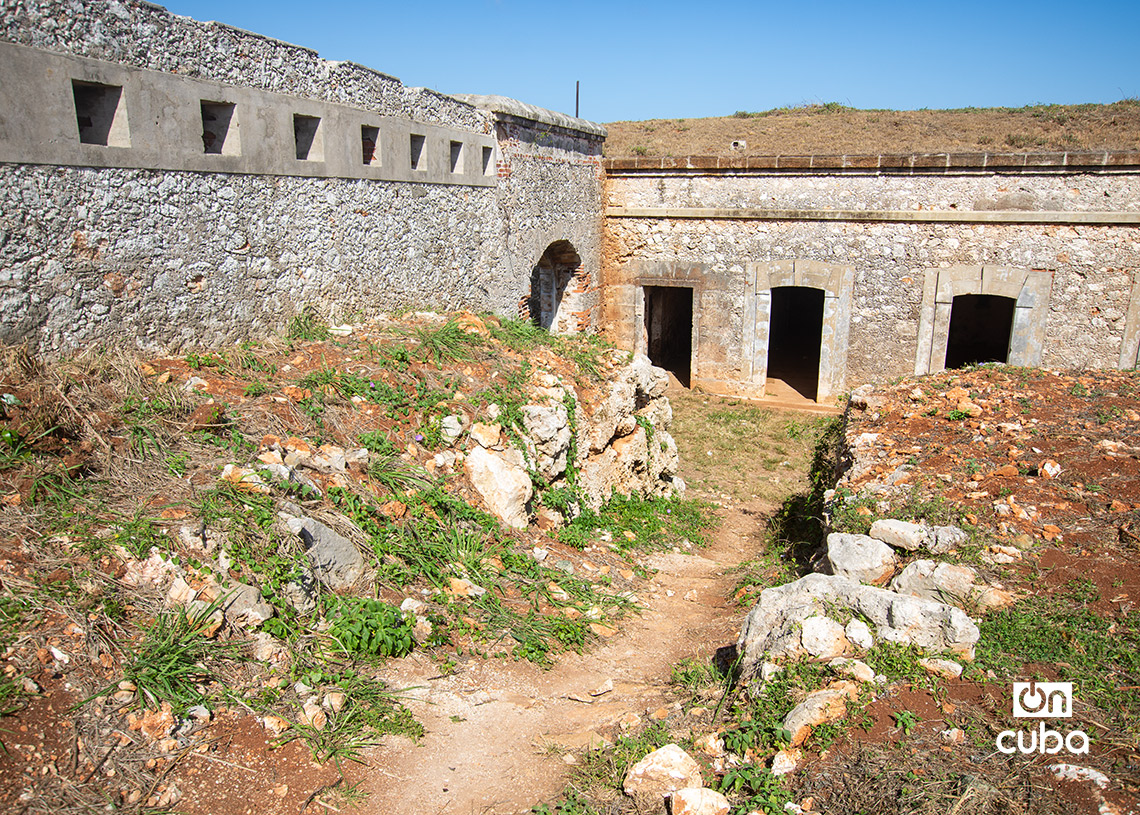
Archive image of the Costa Battery No.1, in Eastern Havana, taken in 2022. Photo: Otmaro Rodríguez.

In this Spanish fortification, its builders used a covered location, with ditches, niches, trenches and the use of highly effective pieces, while, on its front, earth masses with thicknesses of 10 to 12 meters were placed to counteract enemy artillery. Added to this is the fact that the so-called Portland cement was used in it for the first time in Cuba.

To its architectural successes, it also added the use of recognized military technology, in particular its long-range Ordóñez cannons and the rapid-firing Nordenfeldt guns—dismantled from the cruiser Alfonso
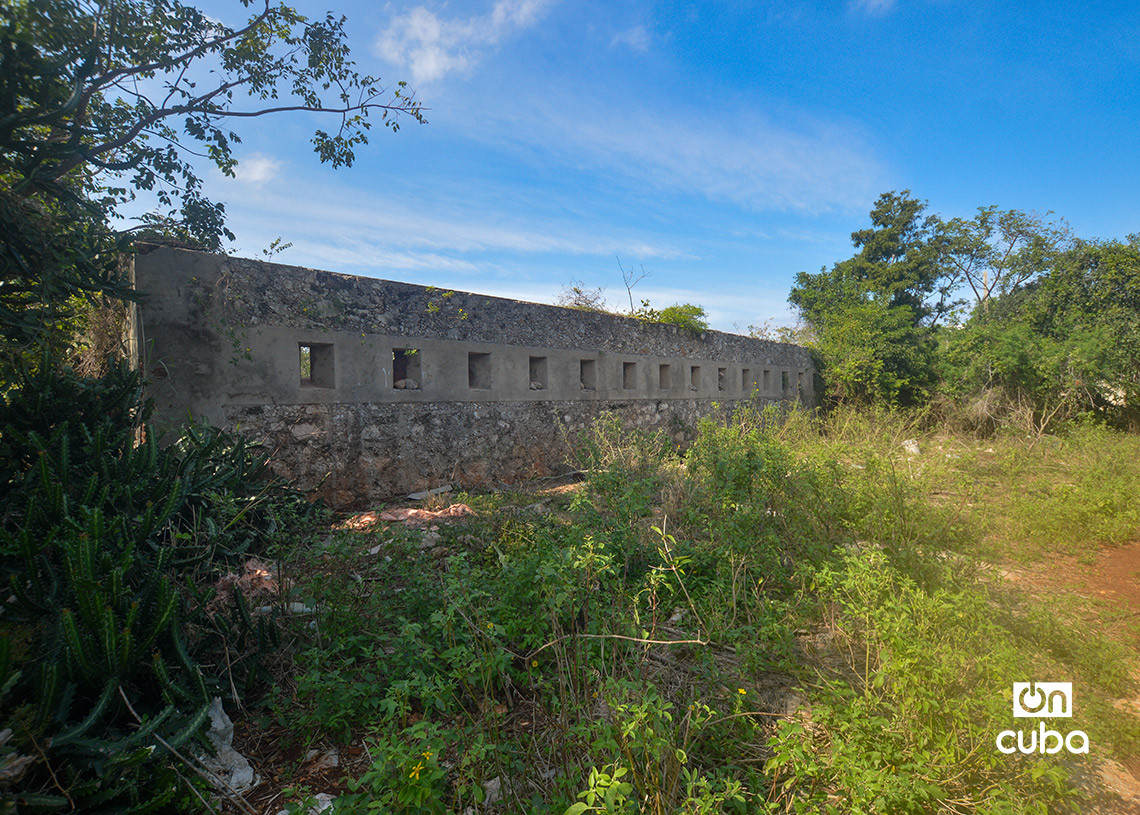
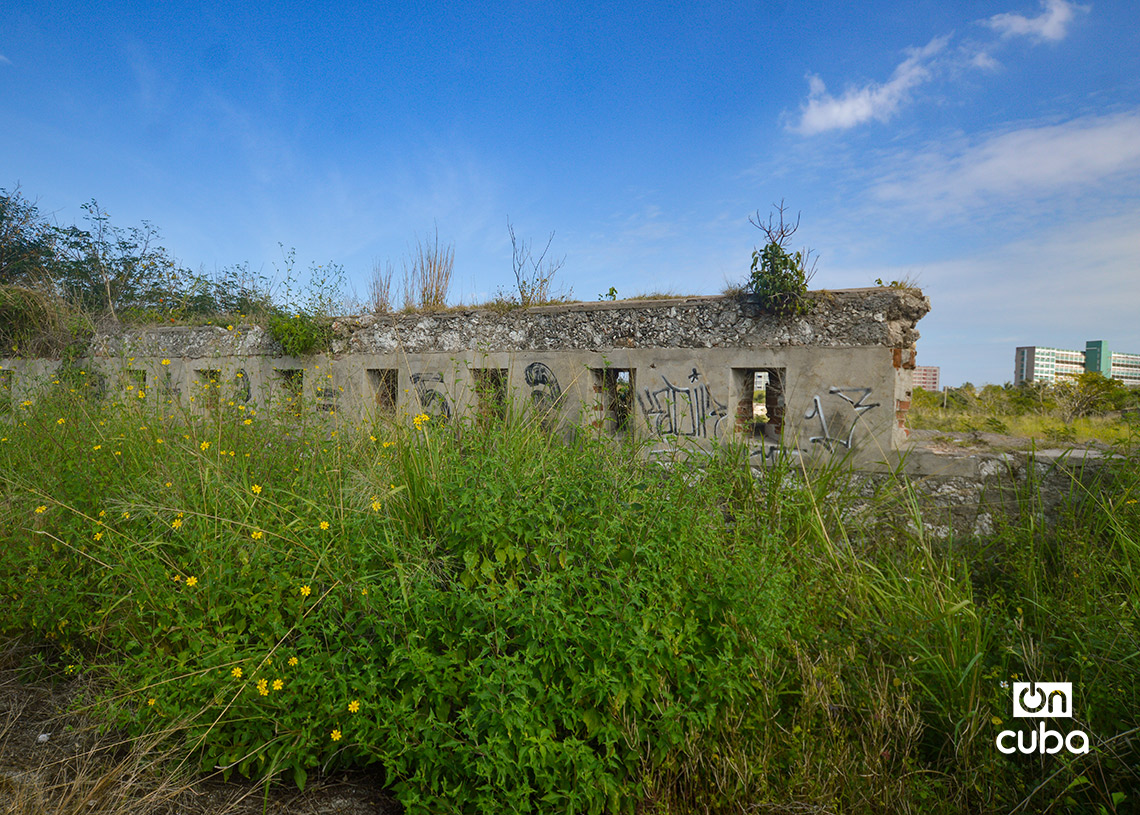
The Costa Battery No.1, in Eastern Havana. Photo: Otmaro Rodríguez.

Despite all its recognized values, a century and 30 years after its birth, the Costa Battery No.1 is not experiencing even a good moment. The passage of time led to abandonment from which plans to convert it into a museum have not yet been able to rescue it. Projects in this direction have not been achieved, despite sporadic work for their rehabilitation.

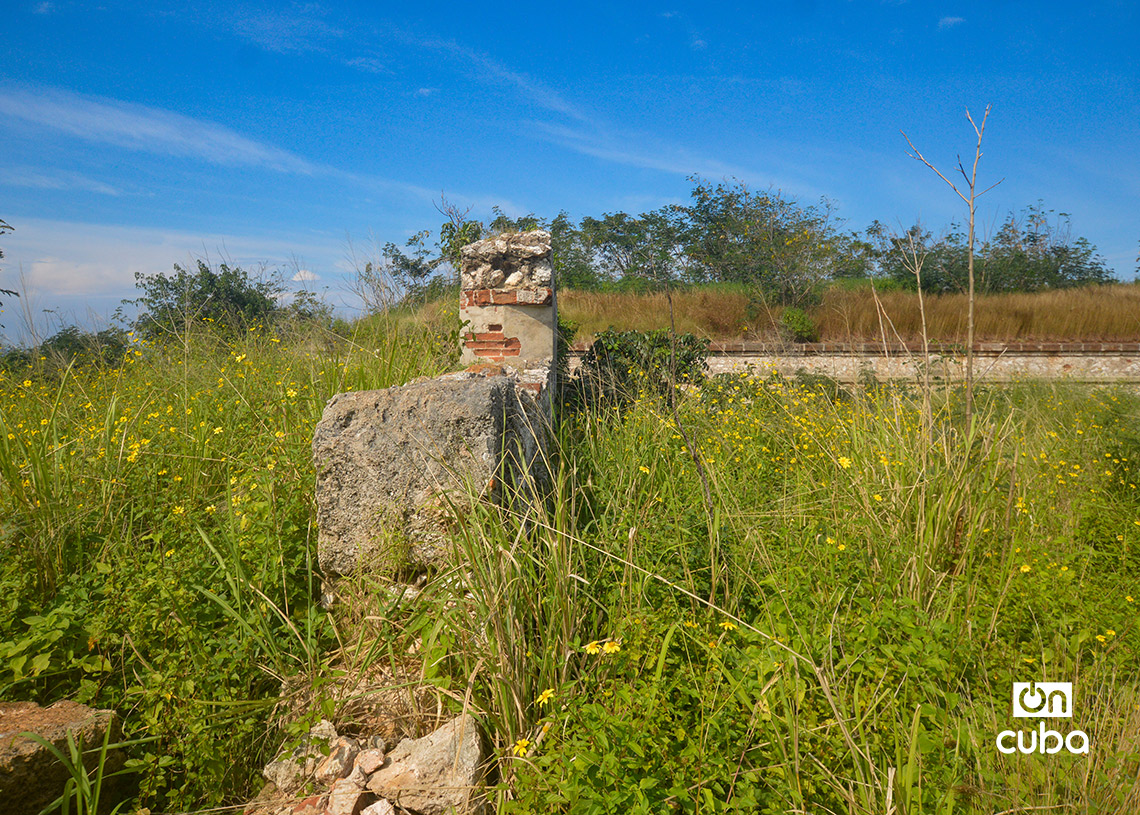
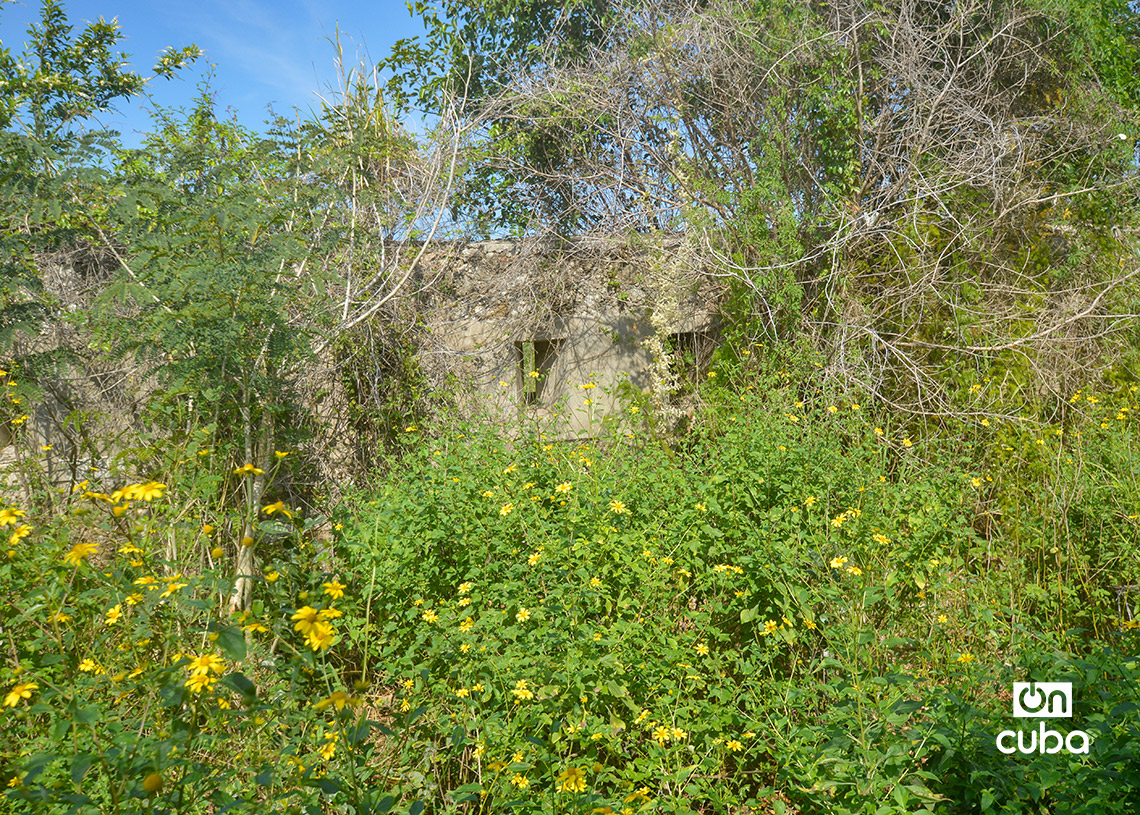
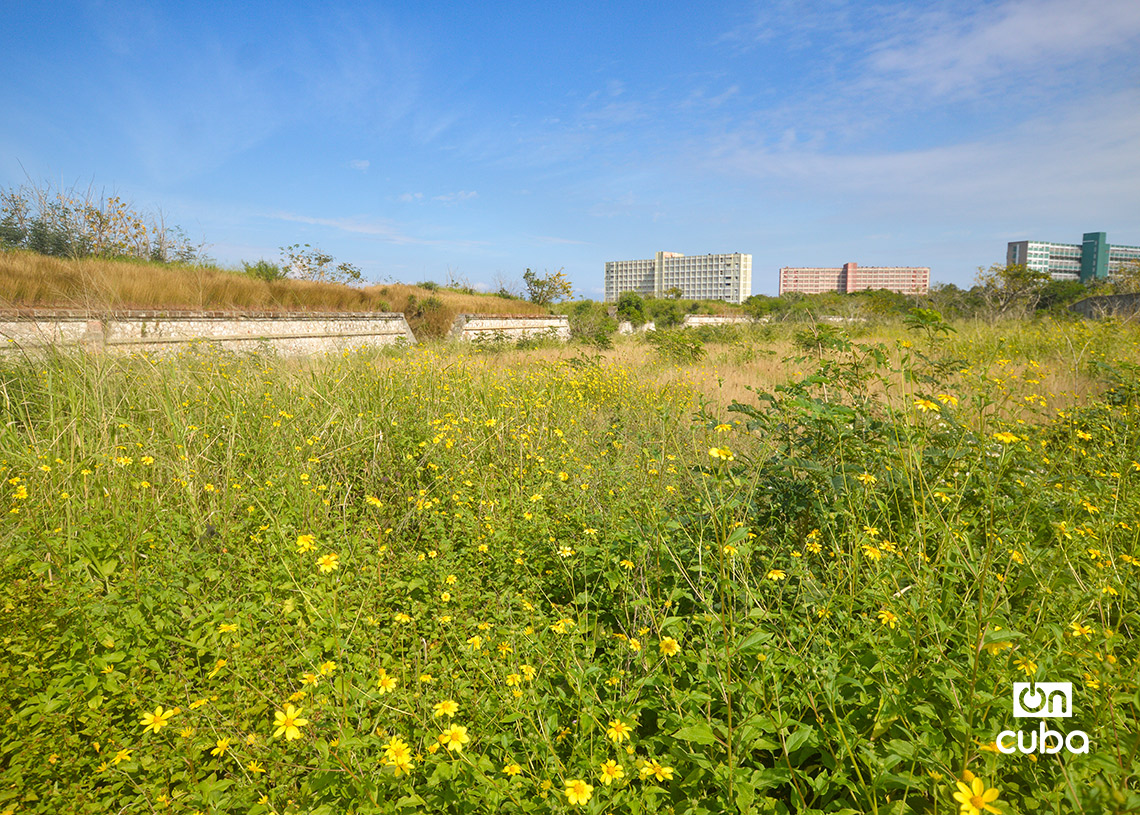
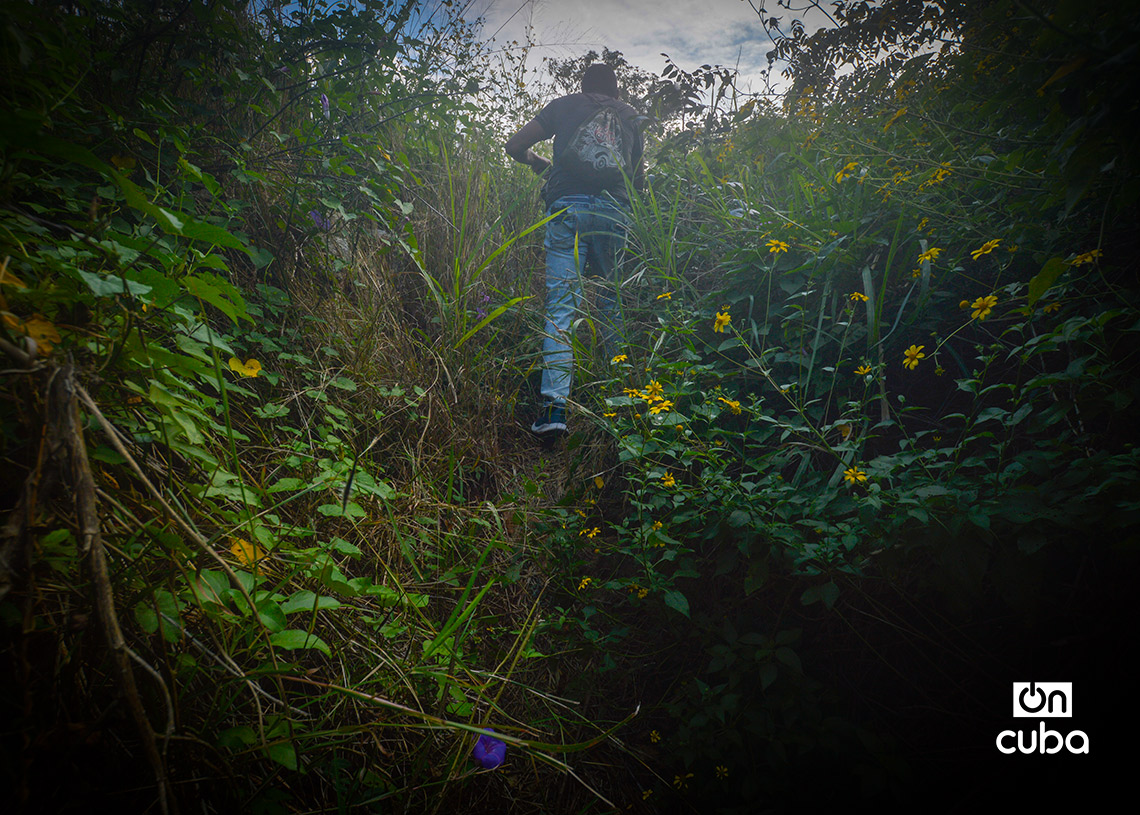
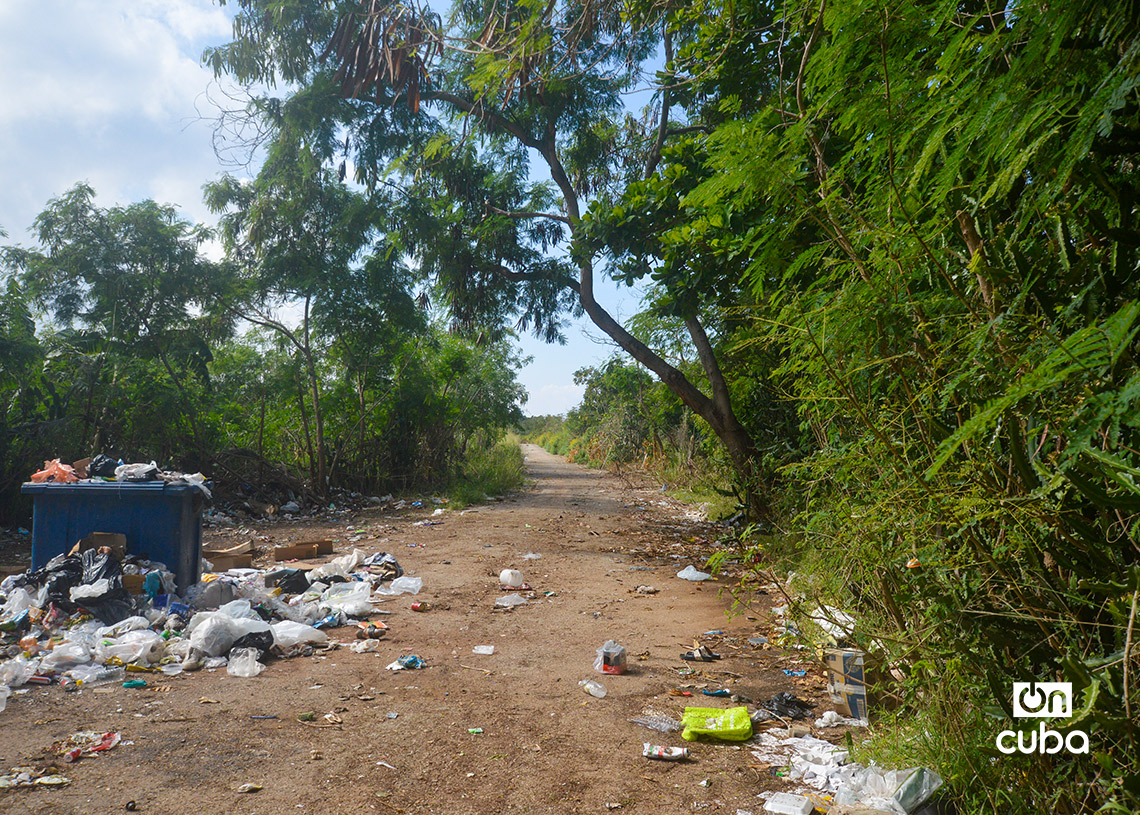
Although the authorities and institutions in charge maintain the intention of transforming the site – according to a recent publication—, its current reality is far from what was desired, and is marked by weeds, graffiti on its walls, neglect and loneliness, as confirmed by these recent images taken on the spot by the photojournalist Otmaro Rodríguez.
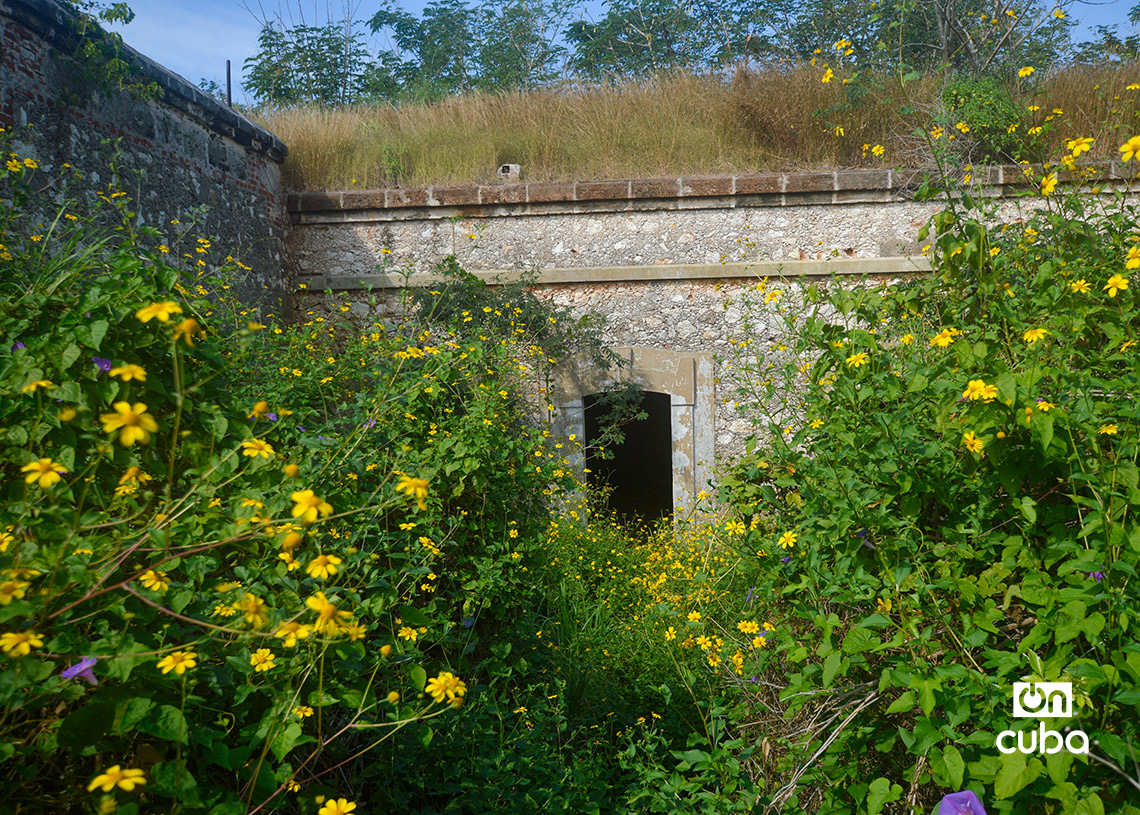
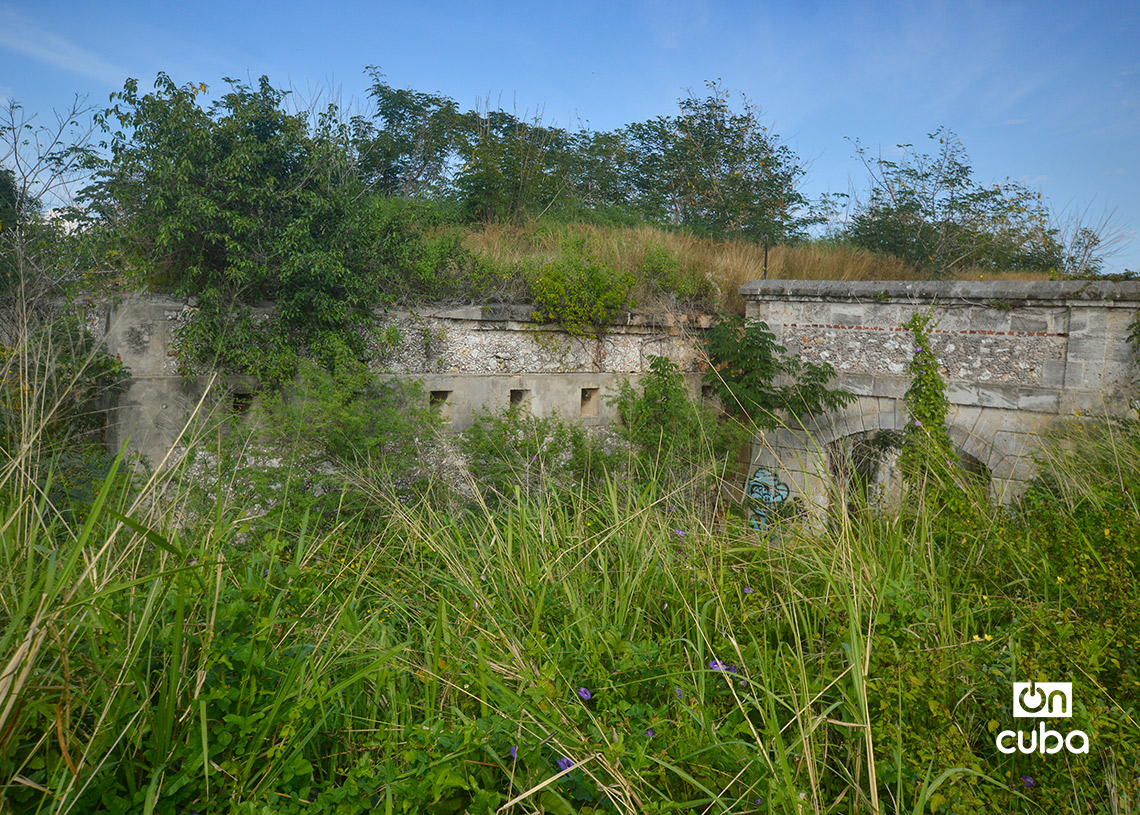
The Costa Battery No.1, in Eastern Havana. Photo: Otmaro Rodríguez.



Surroundings of the Costa Battery No.1, in Eastern Havana. Behind, the Camilo Cienfuegos cast. Photo: Otmaro Rodríguez.
Surroundings of the Costa Battery No.1, in Eastern Havana. Photo: Otmaro Rodríguez.

Source link

Latest Posts

They celebrated "Buenos Aires Coffee Day" with a tour of historic bars - Télam
Cum at clita latine. Tation nominavi quo id. An est possit adipiscing, error tation qualisque vel te.

Categories

Despite the ban, they offer vaping machines in the Alameda Central of CDMX
Previous Story

Despite the ban, they offer vaping machines in the Alameda Central of CDMX

Brazil in the World brings debate this Sunday on Venezuela, Iran and the USA
Next Story

Brazil in the World brings debate this Sunday on Venezuela, Iran and the USA

Latest from Blog

Find out how to spend less on air conditioning

Find out how to spend less on air conditioning

Air conditioning can represent up to 40% of residential consumption in the hottest months, depending on the model, power and time of use, according to estimates from the electricity sector. But, with
Go toTop