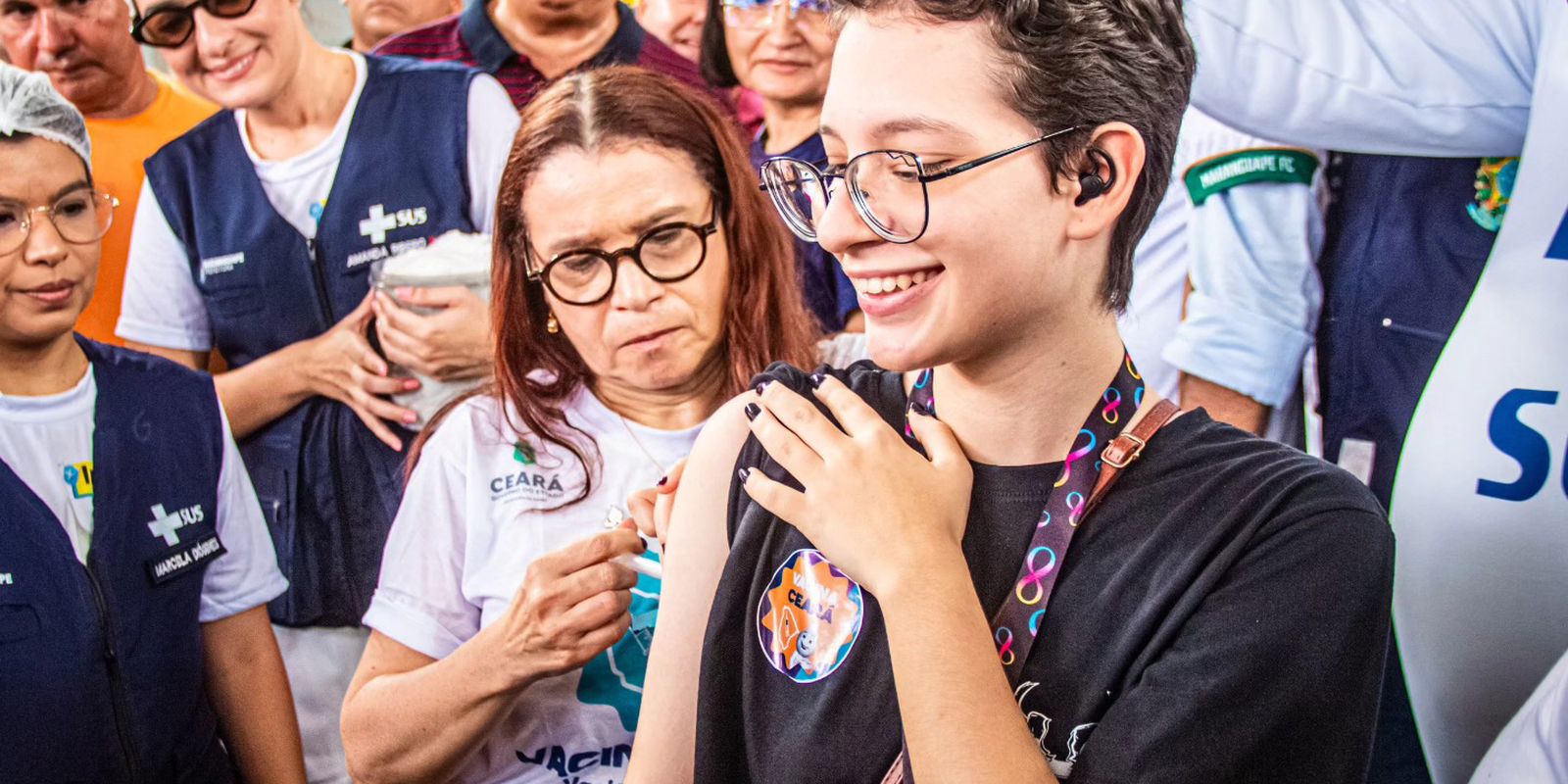
The cities of Maranguape (CE) and Nova Lima (MG) began pilot vaccination with the single-dose vaccine against dengue developed by the Butantan Institute. In this first stage, 204.1 thousand doses will be distributed between Maranguape (60.1 thousand), Nova Lima (64 thousand) and also Botucatu, in São Paulo (80 thousand). The amount is sufficient for mass vaccination of the target population in these cities, made up of citizens aged between 15 and 59 years. In Botucatu, vaccination begins on Sunday (18).
The results of the immunization will be monitored for one year. The analyzes will be conducted with the support of experts, who will evaluate the incidence of dengue in the selected municipalities, in addition to monitoring any rare adverse effects after immunization. A similar methodology has already been adopted in Botucatu to evaluate the effectiveness of the vaccine against Covid-19.
If the results are positive, mass production will begin to serve the entire country. To date, Butantan has manufactured 1.3 million doses. Before the results, however, the immunization of priority audiences will be carried out with the arrival of more doses of Butantan DV. The immunization of primary health care professionals is scheduled for the beginning of February. This group, made up of doctors, nurses and community workers, should receive the approximately 1.1 million doses that were not used in this priority phase.
According to the Ministry of Health, with the transfer of technology between the Butantan Institute and the Chinese company WuXi Vaccines, vaccination will be gradually expanded to the entire country, starting with the 59-year-old population and advancing to the 15-year-old population. The expectation is to increase production by up to 30 times.
At the launch of vaccination in Maranguape, the acting Minister of Health, Adriano Massuda, highlighted the criteria adopted for choosing the municipalities. “Cities [que foram] chosen because they have a population of between 100,000 and 200,000 inhabitants and a structured health network, which allows implementing the vaccine and evaluating its impact on the immunization of the population and the circulation of the virus in the community”, he stated. Massuda also highlighted that the vaccine is the first against dengue applied in a single dose, which allows for faster and more effective immunization.
Clinical studies indicated an overall efficacy of 74%, with a 91% reduction in severe cases. Among those vaccinated, none required hospitalization due to dengue. The vaccine was developed in a 20-year process, bringing together technologies from several national research centers and support from foreign researchers. The National Bank for Economic and Social Development (BNDES) supported with financing of R$32 million, still in 2008. A second contribution, to finance the vaccine factory, made R$97 million available from the bank in 2017. To date, the vaccine has received investments of R$305.5 million.
The health network of the cities operating in this phase will serve residents with an official document, with a photo, and the guidance is that you also take the SUS Card. Even with immunization, care for this and other arboviruses remains. According to the Municipal Health Department of Nova Lima, “even with the expansion of vaccination coverage, prevention actions remain fundamental, especially the fight against mosquitoes Aedes aegyptiwith the elimination of standing water”.