Men first, women later and a number that said it all.
Colombia News.
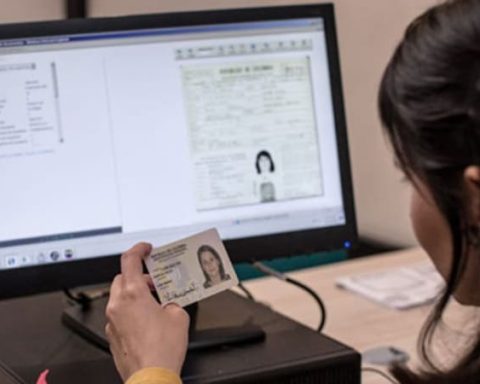
The citizenship card in Colombia It did not always exist as we know it today. Its history is crossed by political decisions, obvious exclusions and symbols of power that marked the beginning of the modern identification system in the country.
In 1952during the government of the president Laureano Gomezthe citizen identification system was officially reorganized for men. It was at that moment when the numbering of citizenship cards begana process that It did not start from a lottery or a population orderbut of a direct decision from power.
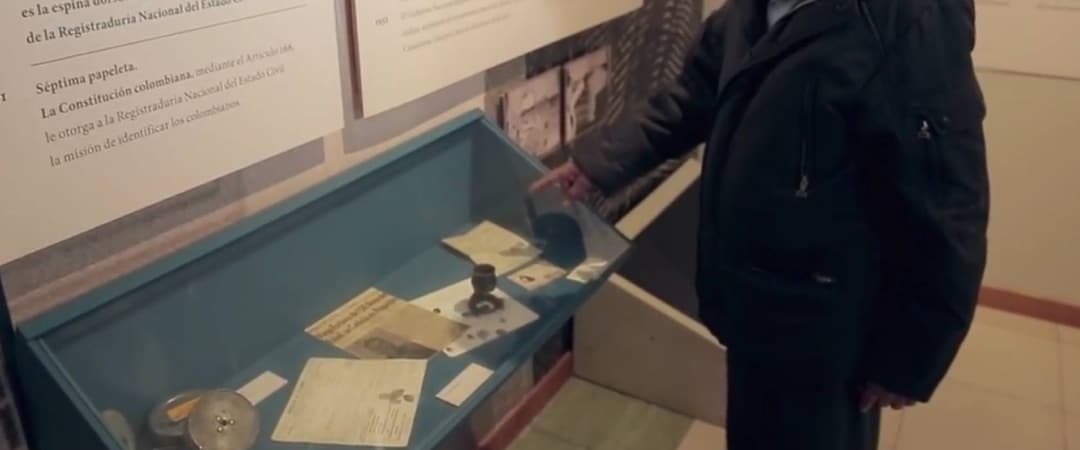
The first ID issued in Colombia It was left in the hands of the president himself. Laureano Gómez received ID number 1becoming not only the first citizen officially identified under the new system, but also the symbol of a country where even identity began from the top.
While the men already had a document that allowed them to fully identify and exercise the right to votewomen were still excluded from the system. It wasn’t until 1954under the government of Gustavo Rojas Pinillawhen the female right to votea historic step that opened the door to full citizenship for Colombian women.
Two years later, in 1956the first citizenship cards for women. The first to receive it was Carola Correa de Rojaswife of President Rojas Pinilla. His number was not 1, nor 2, nor 10. It was 20,000. The numbering made it clear that Legal equality arrived late and in a differentiated way.
The data is not minor. While the men started from number onewomen entered the system when it was already advanced, reflecting a late and symbolically unequal inclusion. The ID not only identified a person, it also marked who had been considered a citizen from the beginning and who had to wait decades to be recognized as such.
See citizenship card number one, it corresponded to President Laureano Gómez pic.twitter.com/DZOkvwYn9k
— History of Colombia (@colombia_hist) February 28, 2023
Over time, the citizenship card has changed shape, color and technology. Since the laminated brown cardspassing through the yellow card with hologramsuntil reaching the current digital IDthe document has evolved along with the country. However, Its origin continues to be a direct window into the political and social history of Colombia..
@poncexy and I’m already in the billions #cedula #Colombia #colombianhistory #registraduria #investigation ♬ original sound – poncexy
Today, when the ID is an everyday requirement for almost everything, it is worth remembering that Its numbering, its beginning and its first deliveries were not neutral. The first ID was not just a number: it was a decision of power which still says a lot about how citizenship was built in Colombia.
Read:
@danielcardonac Who was Laureano Gomez? Let’s review the life of a man who, like few others, represents a figure that was unequivocally bad for the country. I have not found the first primary or historiographic source that can clarify how bad a president, leader and human being he was. Colombians: here is one of those most responsible for all the bad things we continue to experience. #history #historyofcolombia #presidentsofcolombia #laureanogomez #interesting #learncontiktok #learnentiktok #interesting #curiousfacts #theworstpresidentinhistory #Colombia ♬ original sound – Daniel Cardona Caicedo