Santo Domingo.– The Social Christian Reformist Party (PRSC) warned this Thursday to the Dominican state to assume the systematic and preventive maintenance of existing infrastructure as a national priority, warning that its neglect accelerates deterioration, increases the risks for citizens and generates much greater costs in the long term.
The political organization stressed that guaranteeing adequate maintenance of roads, bridges, dams, drainage systems, water treatment plants, educational and hospital centers and others is essential to prolong their useful life, preserve the public investment made over decades and avoid situations that compromise the safety of the population.
We recommend you read: Quique Antún warns that we must govern firmly against the “insatiable” and take care of public resources
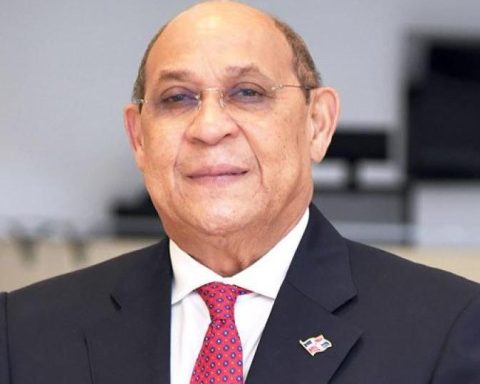
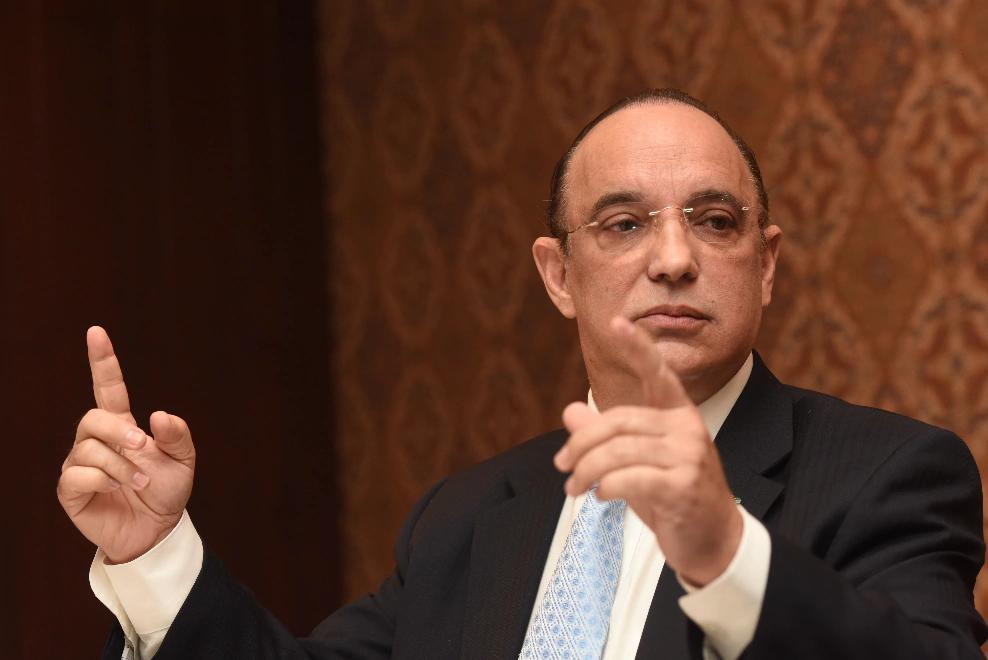
The president of PRSC, engineer Federico Antún Batlle (Quique), He stated that demographic growth, urban expansion and the passage of time have revealed an inescapable reality: as important as building new works is to keep existing ones in good condition.
“Infrastructure constitutes one of the fundamental pillars for the economic, social and human development of a nation, but its positive impact is lost when it is not given timely and adequate maintenance,” he said.
Antún Batlle recalled that the country has made significant investments in public works that have been decisive for the development of the nation and economic competitiveness.
However, he regretted that the absence of a sustained maintenance culture has caused the premature deterioration of infrastructure that could still offer efficient services.
“Roads with recurrent potholes, bridges with structural deficiencies, collapsed drainage systems and public buildings in critical condition are clear signs that maintenance cannot continue to be a secondary priority,” he warned.
The reformist leader highlighted that preventive maintenance is considerably more economical than the total reconstruction of works, while reducing future expenses, avoiding emergencies and protecting human lives.
“Investing in time in the repair, supervision and modernization of existing infrastructure not only prolongs its useful life, but also avoids risks to public safety and optimizes the use of public resources,” he said.
Likewise, he pointed out that a well-maintained infrastructure directly impacts the quality of life of the population, facilitates commerce, strengthens tourism and generates greater confidence among national and foreign investors.
He insisted that planning, rigorous technical supervision, transparency in contracting processes and permanent accountability are essential conditions to guarantee lasting, safe and functional works.
Quique Antún reiterated that, along with the maintenance of existing infrastructure, the country also needs the construction of new modern, resilient and planned works, capable of responding to the economic, demographic and urban growth of the Dominican Republic, always supported by technical and social, economic and environmental impact studies.
“Building is important, but maintaining well what already exists is an obligation that cannot be postponed. This is the only way to guarantee sustainable development and avoid improvisation and political use of public infrastructure,” he concluded.