“We are devastated with the news,” a family source told ‘CubaNet’.
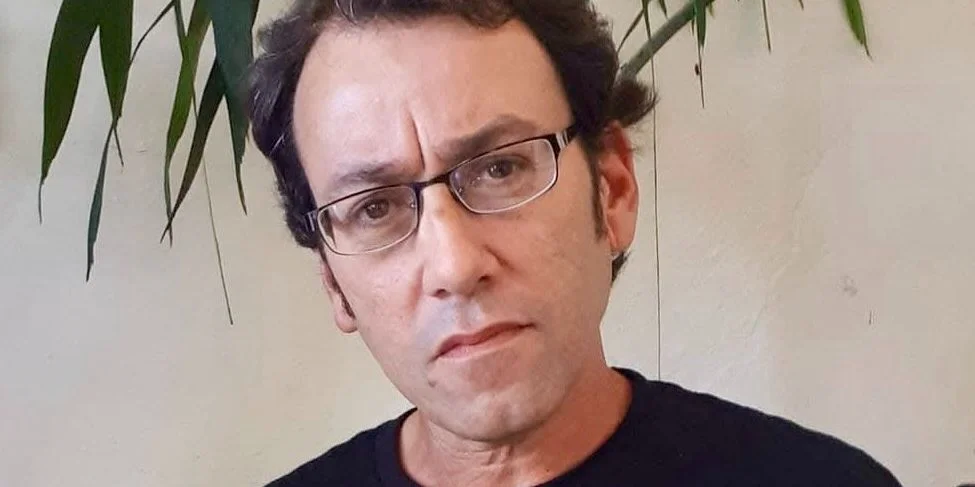
HAVANA, Cuba. – The Popular Provincial Court of Villa Clara sentenced the independent writer and journalist José Gabriel Barrenechea Chávez to six years of deprivation of liberty on January 15, after almost four months of the trial against him.
“We are devastated by the news,” he told CubaNet a familiar source.
The Court declared Barrenechea guilty of the crime of “public disorder.” The writer was arrested on November 8, 2024 for participating in the peaceful protests that occurred in Encrucijada the previous day to demand the restoration of electrical service after more than 48 hours of blackout. According to the accusation, the journalist shouted “Turn on the current; we want the current” and urged those present not to give up the protest.
According to the ruling, to which CubaNet had access, the defendants decided to “gather in front of the Government and Party headquarters, where once there they incited other people to join the protest and obstructed public roads.” However, in videos broadcast on social networks, peaceful protesters are heard and seen demanding their rights, and Barrenechea trying to calm things down so that violence does not break out.
In this way, the Court imposes the maximum sentence requested by the Prosecutor’s Office in the trial that took place at the end of September 2025. The other protesters and their sentences are: Yandri Torres Quintana, eight years of deprivation of liberty; Yuniesky Lorences Domínguez, three years of correctional work without confinement; Rafael Javier Camacho Herrera, seven years of deprivation of liberty; Rodel Bárbaro Rodríguez Espinosa, five years of deprivation of liberty; and Marcos Daniel Díaz Rodríguez, five years of limitation of freedom.
With the exception of Marcos D. Díaz, all of them were under a precautionary measure of preventive detention.
During his stay in prison, Barrenechea lost his mother, a very strong blow for him, according to the family. In interview with CubaNet, Zoila Esther Chavezwho had been left alone after the arrest, stated that her greatest wish was to see her only son free. A few weeks later, he died without being able to say goodbye to him.
The Cuban Observatory for Human Rights (OCDH) has valued this case as another example of the criminalization of peaceful protest in Cuba.