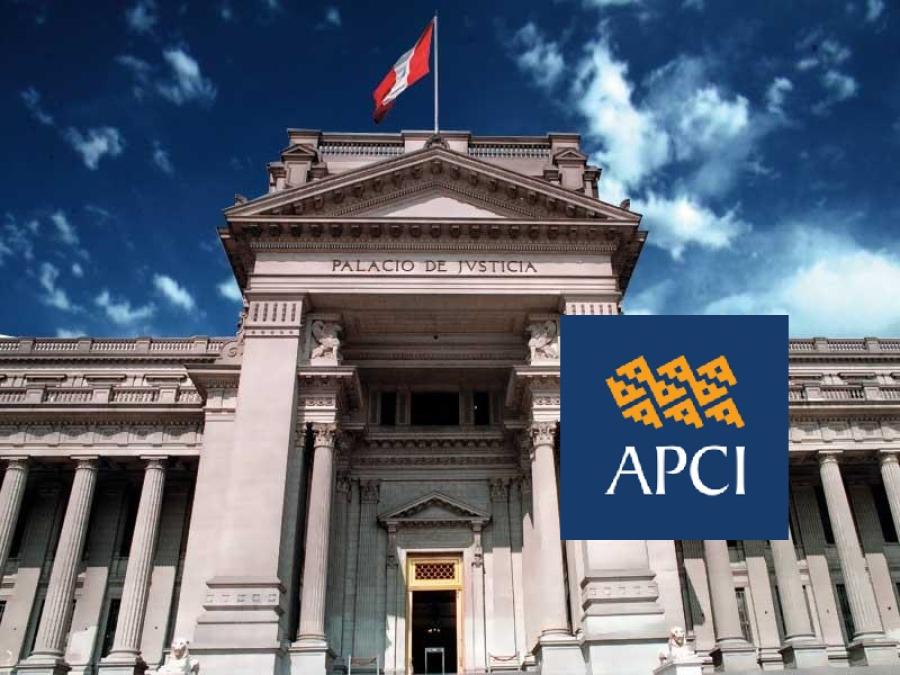
In a controversial and questioned ruling, the Sixth Constitutional Court of Lima declared Law 32301, also known as the APCI Law, inapplicable to the specific case of Legal Defense Institute (IDL). With this decision, the organization is free from the transparency rules, restrictions and sanctions, approved last year.
The ruling, handed down by Judge Rocío Rabines Briceño, responds to a request for protection filed by the IDL against the rule promulgated in April 2025.
The court determined that the modifications to the law of the Peruvian Agency for International Cooperation (APCI) violated constitutional principles by attempting to politically control the destination of foreign funds.
The ruling annuls the application of supervision through the new Regulations on Infractions and Sanctions (RIS) and Organization and Functions (ROF), simultaneously eliminating the requirement to obtain “prior approval” from the APCI to be able to begin its work in the national territory.
In this regard, Fernando Rospigliosi, one of the main promoters of the supervision of NGOs, criticized the decision not to apply the Law that is in force.
The Judiciary does not apply laws that the caviar mafia does not like precisely because it is controlled by the caviar mafia. The PJ HAS to apply the laws that Congress approves and the Government promulgates. This is how the division of powers works. But that doesn’t happen in Peru.… pic.twitter.com/8IaWbtHZUV
— Fernando Rospigliosi (@Frospigliosi) January 14, 2026
“The Judiciary does not apply the laws that the caviar mafia does not like precisely because it is controlled by the caviar mafia. The Judiciary has to apply the laws that Congress approves and the Government promulgates. This is how the division of powers works. But that does not happen in Peru. The Judiciary must be swept away! Radical solutions!”, expressed the parliamentarian.
This sets a precedent that could be invoked by other NGOs that are currently maintaining similar proceedings against Law 32301.
The Law, which took around 150 days to be reviewed and approved, sought to increase transparency and control over the funds received by NGOs in Peru.
RECOMMENDED VIDEO