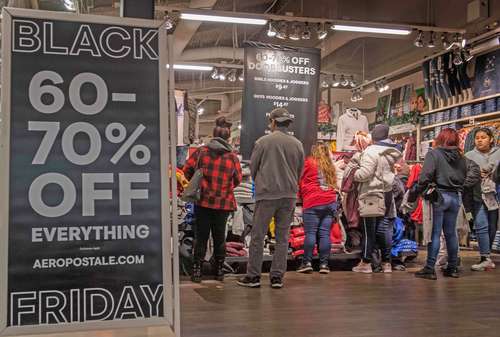
I think it was Truman Capote who said that, to be alone or feel alone, there was no way to go to New York. She said it, if she said it, a little after betraying the trust of her wealthy friends, when they gave her the silent treatment for spreading their secrets in public. Years later it is possible to say that, to be alone, structurally alone, there is no way to go anywhere in the United States. Except for New York, where public transportation makes contact with others necessary, if not inevitable, most American cities are designed for the isolation produced by automobiles—whether speeding along or stuck on endless freeways—and for the absence of any form of public life other than consumption.
Source link
Cristina Rivera Garza: Doorbell
Related Posts






Latest Posts

Government evaluates contracting insurance against rise in oil prices
The Dominican Government is holding talks with investment banks to

Caixa resumes financing for properties above R$2.25 million
Caixa Econômica Federal announced this Tuesday (3) the resumption of
American convicted of trying to produce child pornography with a minor in Cuba
On February 11, a federal jury convicted Earl Richard Clouser,

In Coppelia they no longer sell ice cream, only dry wine
Havana/On the corner of 23rd and L, where for decades


Latest from Blog

Government evaluates contracting insurance against rise in oil prices
The Dominican Government is holding talks with investment banks to acquire financial insurance that will mitigate the impact on the public finances of possible increases in crude oil, given the recent increase

Caixa resumes financing for properties above R$2.25 million
Caixa Econômica Federal announced this Tuesday (3) the resumption of financing for the purchase of residential properties above R$2.25 million with resources from the savings account. The modality, framed in the Real
American convicted of trying to produce child pornography with a minor in Cuba
On February 11, a federal jury convicted Earl Richard Clouser, 55, of Burnham, Pennsylvania, for attempting to produce child sexual abuse material with a 15-year-old teenager in Cuba. According to the United

In Coppelia they no longer sell ice cream, only dry wine
Havana/On the corner of 23rd and L, where for decades Havana waited in line to enjoy a five-scoop salad, this Tuesday the only possible taste was the bitter aftertaste of frustration. The

Venezuela announces new oil sales contracts for the United States market
“PDVSA has signed supply contracts with companies marketing oil and derivatives destined for the United States market,” the state-run company reported without identifying the companies or offering more details of the contracts.