Havana/Cuba closed the last month of 2025 with a year-on-year inflation of 14.07% in the formal market, according to data published by the National Office of Statistics and Information (Onei). The figure, presented as a sign of “slowdown”, is 10 percentage points below that recorded in December 2024, when the consumer price index (CPI) grew by 24.88%. However, for a good part of economists – and for most pockets – that number does not reflect everyday reality.
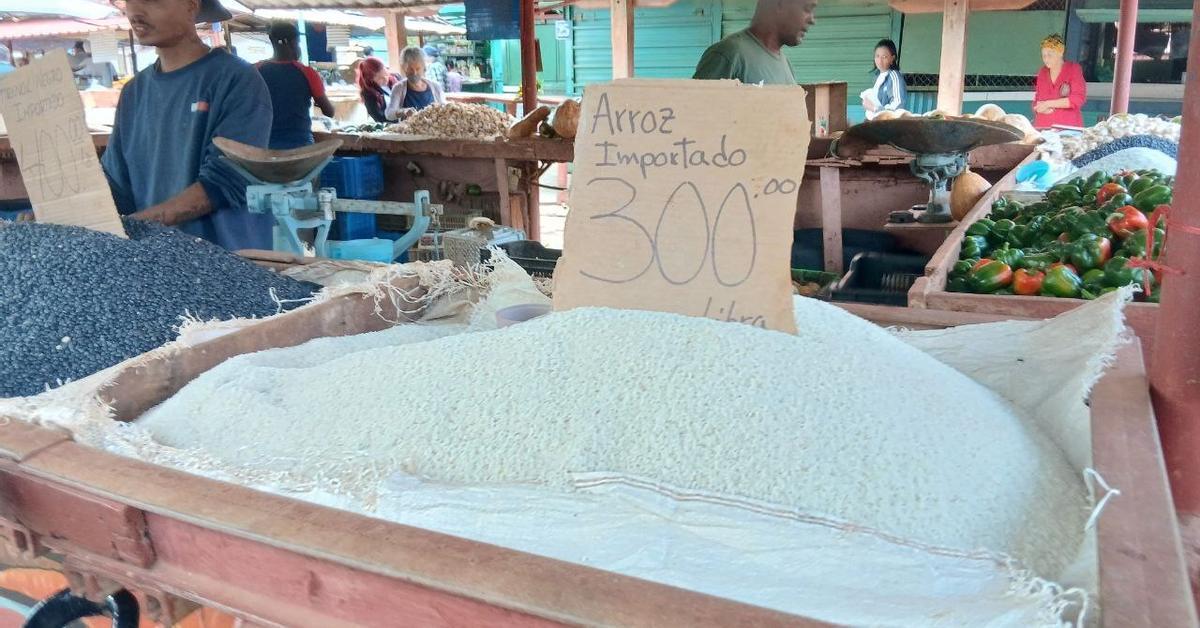
The official methodology itself leaves out the informal market, which is currently the majority and has a better supply than the state market. By incorporating these prices, real inflation in 2025 “would be around 70%,” according to estimates by Cuban economist Pavel Vidal. The distance between both measurements is the abyss that separates the State statistics from the daily experience of millions of Cubans.
According to Onei, the monthly variation in December was 0.88% in relation to the previous month and the accumulated inflation for the year coincided with the year-on-year rate (14.07%). By category, the greatest increase was recorded in Alcoholic beverages and Tobacco (69.82%), followed by Restaurants and Hotels (21.46%), Education (17.22%), Housing services (14.47%) and Food and non-alcoholic beverages (13.9%). Communications (0.46%) remained the least inflationary category, despite the sharp increase in web browsing rates applied on May 30, which sparked protests over the increase in the cost of mobile recharges.
The contrast between the official data and real life becomes more evident when looking at the entire period since 2020. The Government’s own statistics recognize that inflation has tripled prices on the Island in five years: 77% in 2021, 39.07% in 2022, 31.34% in 2023, 24.88% in 2024 and now 14.07% in 2025. The sequence suggests a slowdown, but the accumulated level is still very high, especially in an economy that is not growing.
In fact, Cuba is experiencing a situation of stagnation and inflation simultaneously. The economist Pedro Monreal warns that 2025 was “the worst year of stagflation since 2020,” a combination of shrinking gross domestic product (GDP) and high inflation. The economy contracted 1.1% in 2024 and has accumulated a drop of 11% in the last five years, according to official figures. ECLAC also predicts that GDP will once again be negative.
Economist Pedro Monreal warns that 2025 was “the worst year of stagflation since 2020”
Monreal emphasizes that the Government has used the “delay” of salaries and pensions in the face of inflation as an anti-inflationary tool. In practice, this strategy reduces purchasing power, cools demand and has a recessionary effect that ends up deepening the crisis. For the economist, the problem is not only the pace of prices, but the “debatable reliability” of its official measurement, which tends to undervalue inflation by excluding the markets where the population really buys.
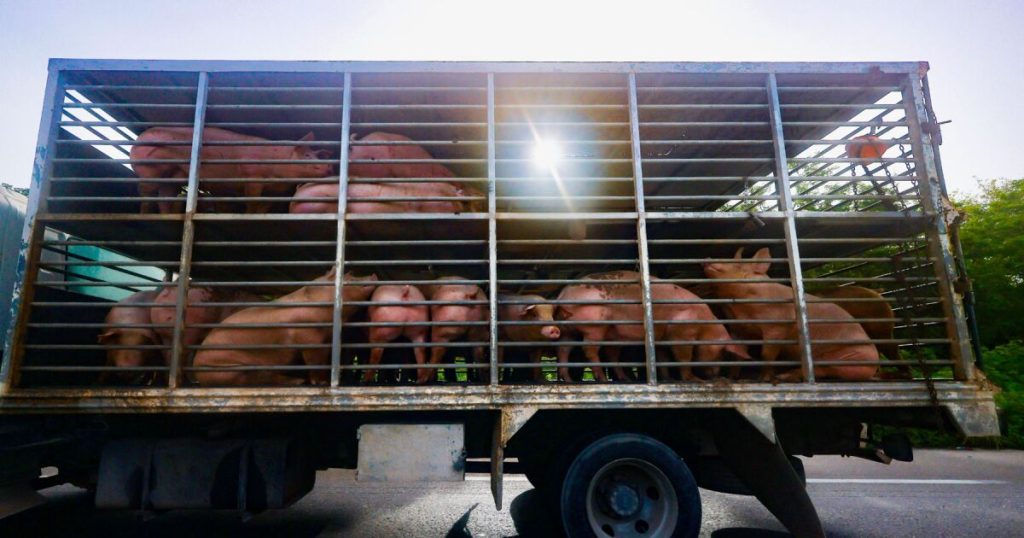
The behavior of food illustrates the gap well. Between May and December 2025, the increase in food prices accounted, on average, for 58.1% of the increase in general inflation. In seven of the eight months of that period, the food price index grew more than the total CPI. And it is not just about imported products: in December, notable increases were recorded in foods that can be produced in the country, a sign of the structural problems of the national supply.
The crisis that the Island has been dragging on for more than five years is visible in the shortage of basics – food, medicine, fuel –, in the growing dollarization, in the prolonged blackouts and in the sustained loss of purchasing power. Added to this picture are the effects of the pandemic, the tightening of US sanctions since the first Donald Trump Administration and a sequence of failed economic and monetary policies that have failed to stabilize prices or reactivate production.
The result is deep social unrest. The protests, unusual for decades, have been repeated in recent years, and mass migration – unprecedented in its scale and duration – has become an escape valve for those who see no other way out. In that context, talking about 14% inflation may sound like statistical relief, but it is not enough to explain why the salary evaporates a few days after receiving it.