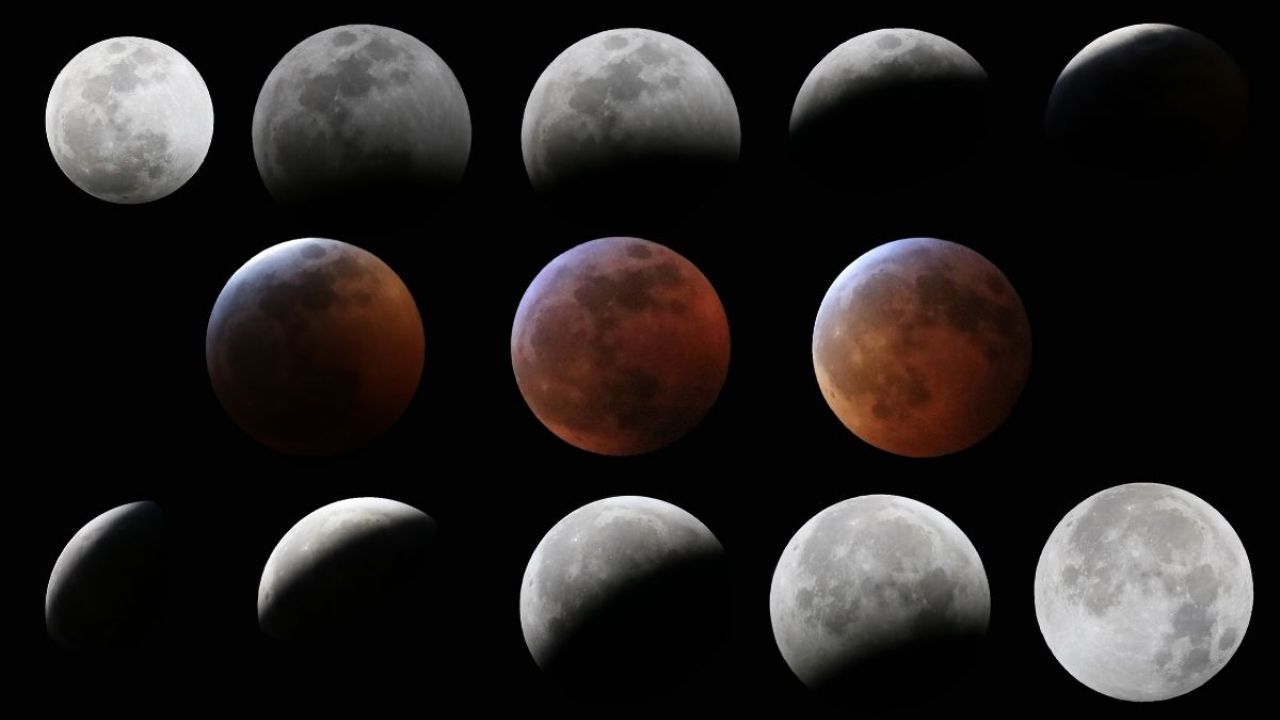
The first major milestone of astronomical calendar of January will occur this Saturday the 3rd, when three different phenomena converge on the same day. Observers will be able to enjoy a giant Moon, the passage of meteors and the presence of an extremely luminous planet, making it an ideal opportunity for those who enjoy looking at the sky with binoculars or with the naked eye.
Astronomical calendar January 2026
The main protagonist will be the Supermoon of Januarywhich, being at its closest point to Earth, will look 14% larger and 30% brighter than usual. According to the astronomical calendar Officially, this natural satellite will offer a light show that will facilitate the observation of lunar craters even from urban areas, as long as weather conditions allow it.
In order not to miss any details of this magical night, we detail the three milestones that top the agenda of the astronomical calendar for this weekend:
- Perigee Supermoon: the moment of closest proximity and maximum brightness of our satellite.
- Quadrantid Shower: the peak of meteorites that will be visible during the early hours of January 4.
- Jupiter conjunction: the gas giant will be visually located very close to the lunar disk.
Source: Shutterstock.
In addition to these immediate events, the followers of the astronomical calendar They will have to prepare their telescopes for the return of long-awaited space visitors. Two comets will cross our orbit during the month, highlighting 24P/Schaumasse, a celestial body that visits us every eight years and will reach its greatest brightness on January 4, although to see it will require medium-range technical equipment.

Source: Shutterstock.
It is advisable to look for places away from the light pollution of cities to fully appreciate what the environment dictates. astronomical calendar of this summer. Starting the year by connecting with the cosmos is a unique experience that promises to be repeated with other eclipses and alignments that are already marked on the agenda for the rest of 2026.