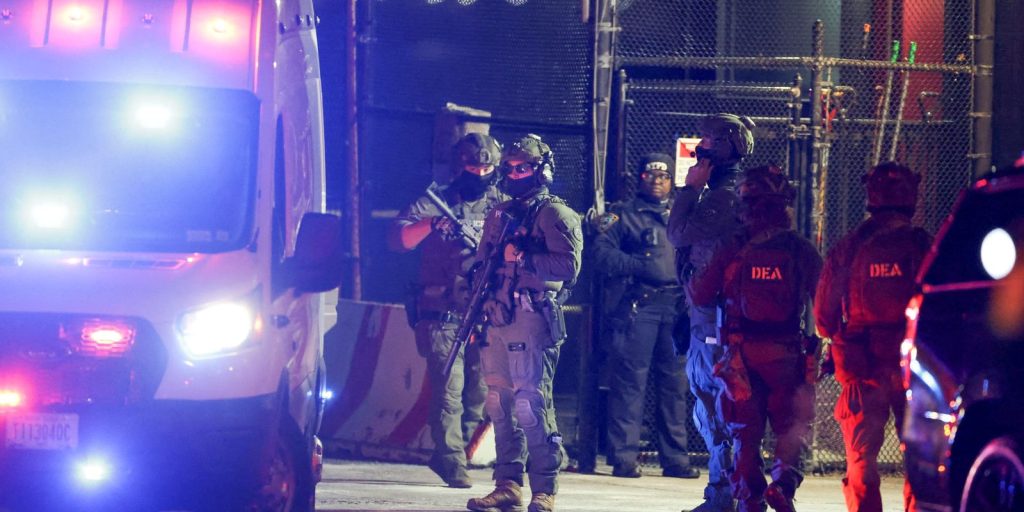
Reports from security forces register at least 25 victims in the attacks against Venezuelan military installations carried out by United States forces. The majority were young people under 25 years of age and belonged to the Presidential Security Battalion. The records of admissions to the hospitals of the Capital District (Caracas) add up to more than 90 injured
Victim Monitor | Venezuela Time
During the United States military attacks on Caracas, which occurred in the early hours of January 3, at least 25 people died. Until 6:00 am on January 4, there was only confirmation that one of these victims was a civilian. This is indicated by unofficial reports from the country’s security forces.
The majority of the dead, 15 in total, belonged to Presidential Security Battalion number 6. They were young people of military ranks: lieutenants, corporals, honor guards, sergeants and even students who had not yet graduated from the Military Academy.
Lieutenant Yendis Cristofer Gregorio Barreto died from the Presidential Security Battalion; the honor guards Jeampier Josue Parra Parra, Franyerson Javier Hurtado Ortuño, José Ángel Ilarraza González, Jerry Antonio Aguilera Velásquez, Franco Abrahan Contreras Tochon and Isaac Enrique Tovar Lamont; in addition to second corporal Luis Enrry López Sánchez.
Members of the so-called “Bravo Squadron” of the same battalion also died, such as Lieutenant Lerwis Geovanny Rivero Chirinos and Second Sergeant Richard Rodríguez Bellorín, as well as members of the Custody Battalion number 3: second sergeants Anaís Katherine Molina Goenaga and Alejandra Del Valle Oliveros Velasquez, the honor guard Carlos Julio Quiñónez Perozo, as well as the students of the Military Academy, Jhonatan Alexander Cordero Moreno (distinguished) and Saúl Abrahan Pereira Martínez.
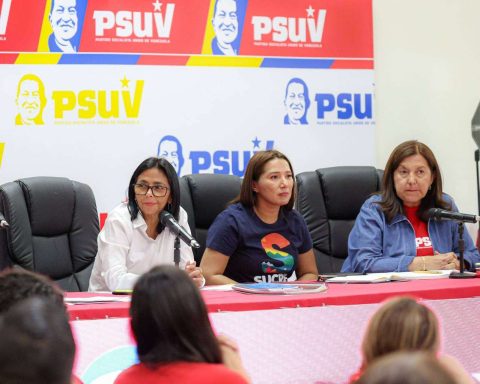
This group is joined by bodyguard Juan Escalona, who was part of Maduro’s security ring and was a PSUV deputy for the Portuguesa state; in addition to the first lieutenant of the Military Aviation, Deimar Elizabeth Páez Torres, who was at the Tettra Network Teleport, located in the Communications Directorate of the Bolivarian National Armed Forces of Venezuela in Fuerte Tiuna; and another member of the FANB identified as Lenín Osorio Ramírez, son of Soraida Ramírez, president of the Autonomous Institute National Council of Human Rights of Boys, Girls and Adolescents (Idenna).
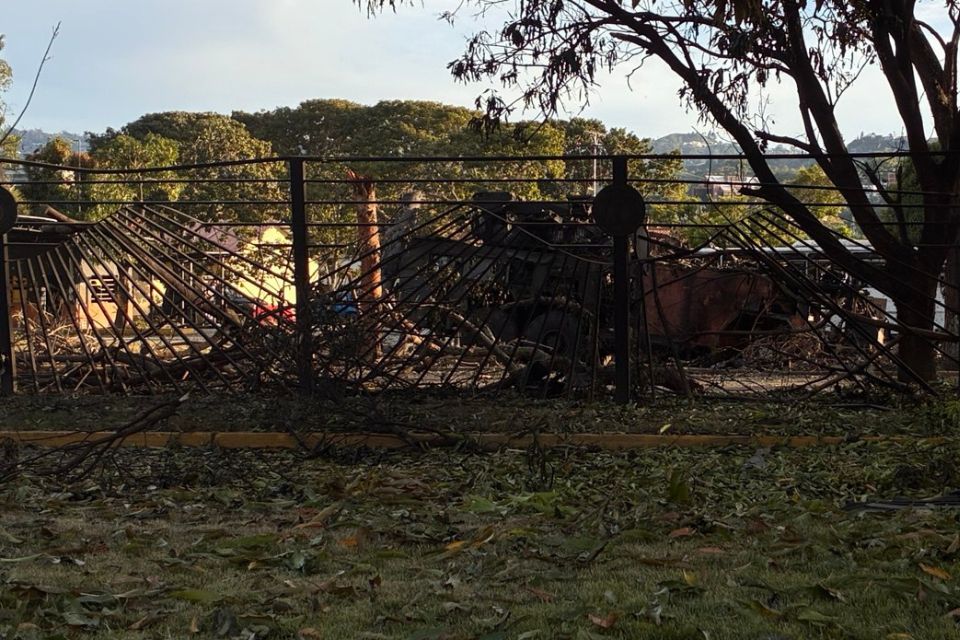
Although their names are not known, unofficial reports indicated that there were six other deaths in several of the bombed facilities: two in the General Command of the Bolivarian Militia, whose headquarters are 500 meters from the Cuartel de la Montaña, where the remains of Hugo Chávez are; two other victims at the Caracas Óscar Machado Zuloaga Airport, in Valles del Tuy; one person died in the Almirante José María García Air Defense Missile Group and 1 more person at the Altos de Irapa Radar Station.
The death of a woman (her daughter was injured) was also known in the municipality of El Hatillo, south of the Venezuelan capital, in a house in the vicinity of the “El Volcán” mountain, where a series of transmission antennas are located. This is the only civilian in the entire report.
The diary The New York Times reported that 40 people had died, according to an anonymous Venezuelan government source, but did not reveal the names of the victims.
*Read also: Without official figures: NGO reports 90 soldiers wounded and dead not yet counted
The bombings also left an unknown number of people injured, and possibly more people dead. However, Venezuelan authorities have not provided information about the victims.
The attacks also left dozens injured. According to a hospital report carried out by the Network of Doctors in Venezuela until 2:00 p.m. (2:00 p.m. Caracas) on January 3, 90 injured people had been admitted to different hospitals in the Capital District, as a result of the bombings. The Dr. Carlos Arvelo Military Hospital received 60 injured people and 30 more at the Hospitalito de Fuerte Tiuna. The association also warns that several deaths have not yet been accounted for.
*Journalism in Venezuela is carried out in a hostile environment for the press with dozens of legal instruments in place to punish the word, especially the laws “against hate”, “against fascism” and “against the blockade.” This content was written taking into consideration the threats and limits that, consequently, have been imposed on the dissemination of information from within the country.
Post Views: 1,183