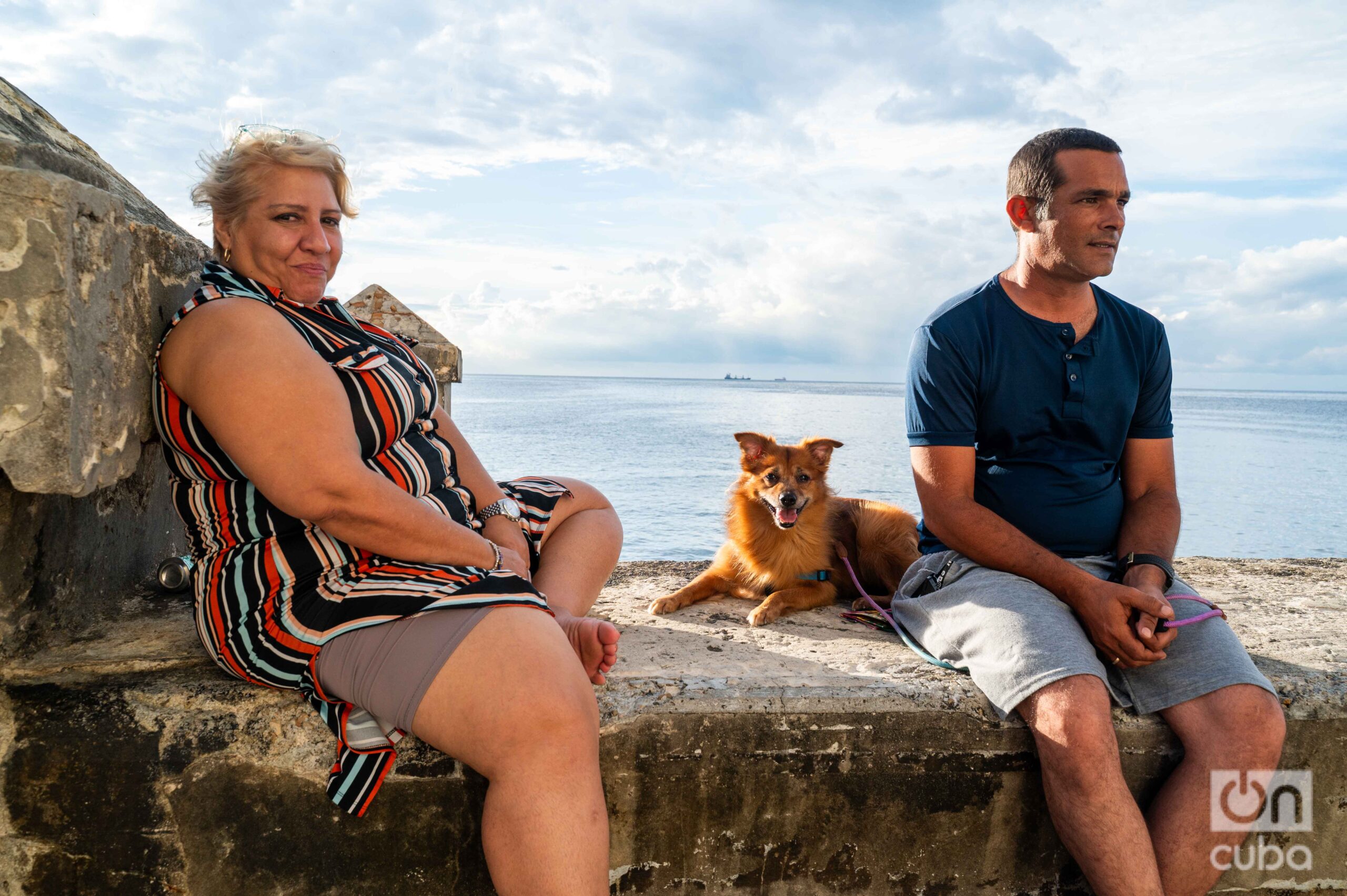
“My love, take a photo. There are few nymphs like that left in this world,” said the woman when she passed me on 23rd Avenue and noticed my camera hanging around my neck. He stopped, posed and smiled. I raised the camera and click. The scene lasted just a few seconds and yet it condensed something that is repeated over and over again in these photographs. It is about that almost natural relationship that many Cubans establish with the image, as if the gesture of offering oneself to the lens were an organic part of daily life.
The Cuban is given to photos. Or, rather, the photo seems to feel comfortable and at ease among Cubans. It is not hidden, it is not avoided, it does not generate entry rejection. Rather, it becomes part of the dialogue, the exchange, a way of asserting oneself in the middle of the street. And, I dare say, that happens in very few places in the world.
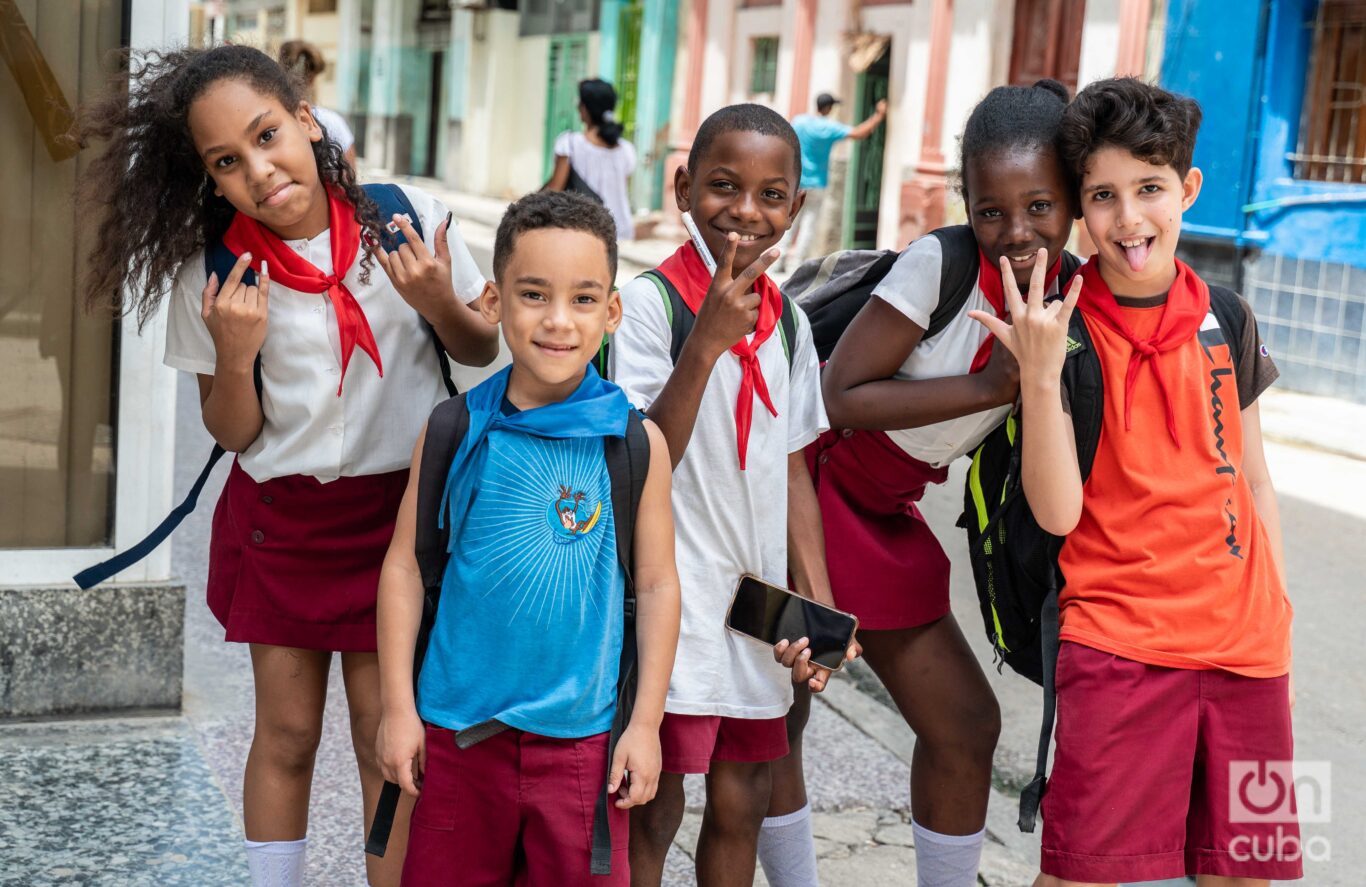
All this happens even within a complex context. A context crossed by scarcity, desolation, queues that become a landscape, blackouts that interrupt the rhythm of life and the repeated incapacity of those who govern. Added to this is the weight of the blockade and that chain of grays that ends up marking daily life on the island. However, along with all that, there is still an air of its own that is difficult to explain. It circulates through the streets, moves between neighborhoods and seems to be sustained by shared memory. It is a tender, persistent breeze, where hopelessness does not fully set in and where gestures of affection, acts of solidarity and small forms of care continue to appear, even in the most difficult moments.
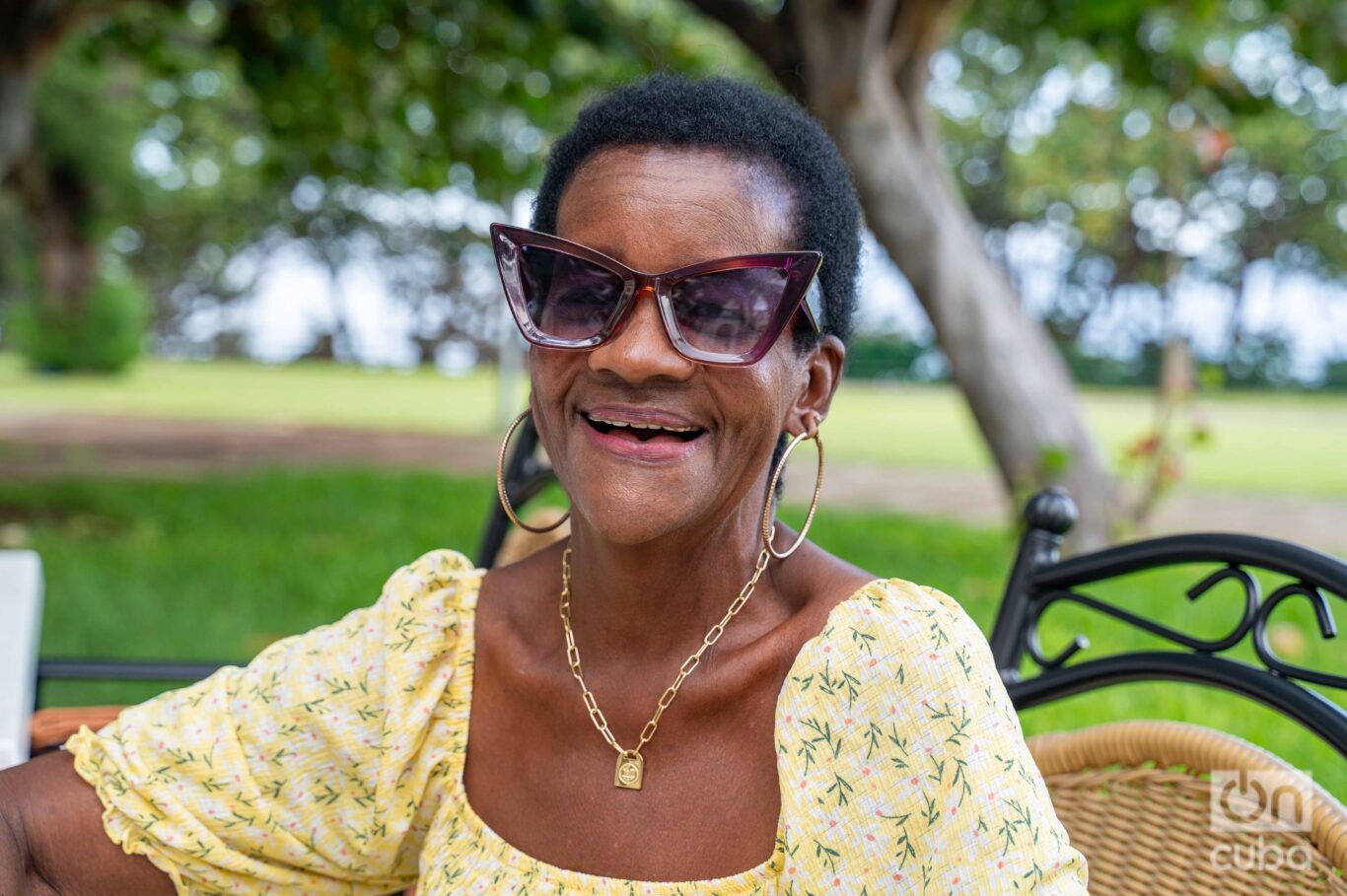
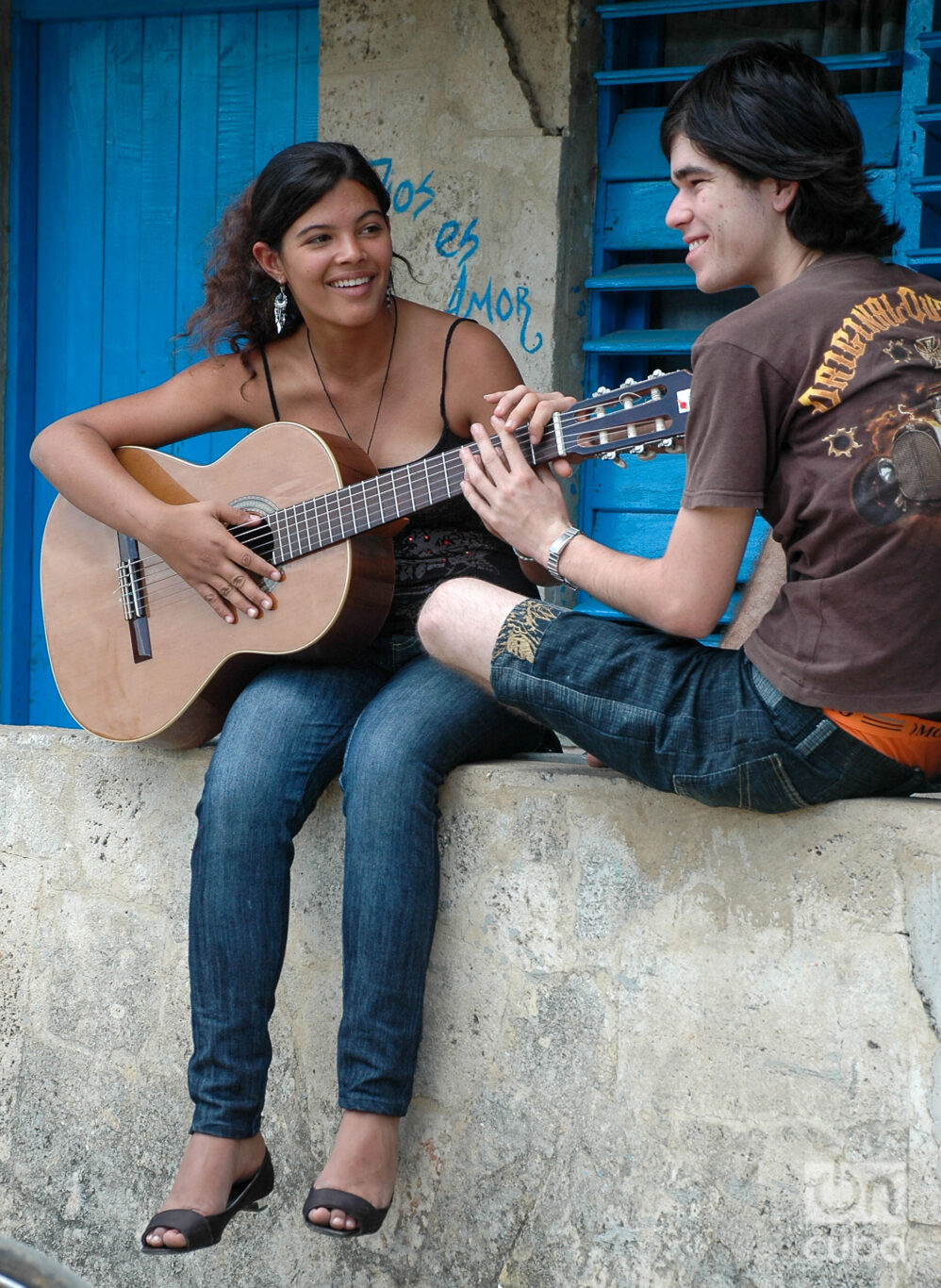
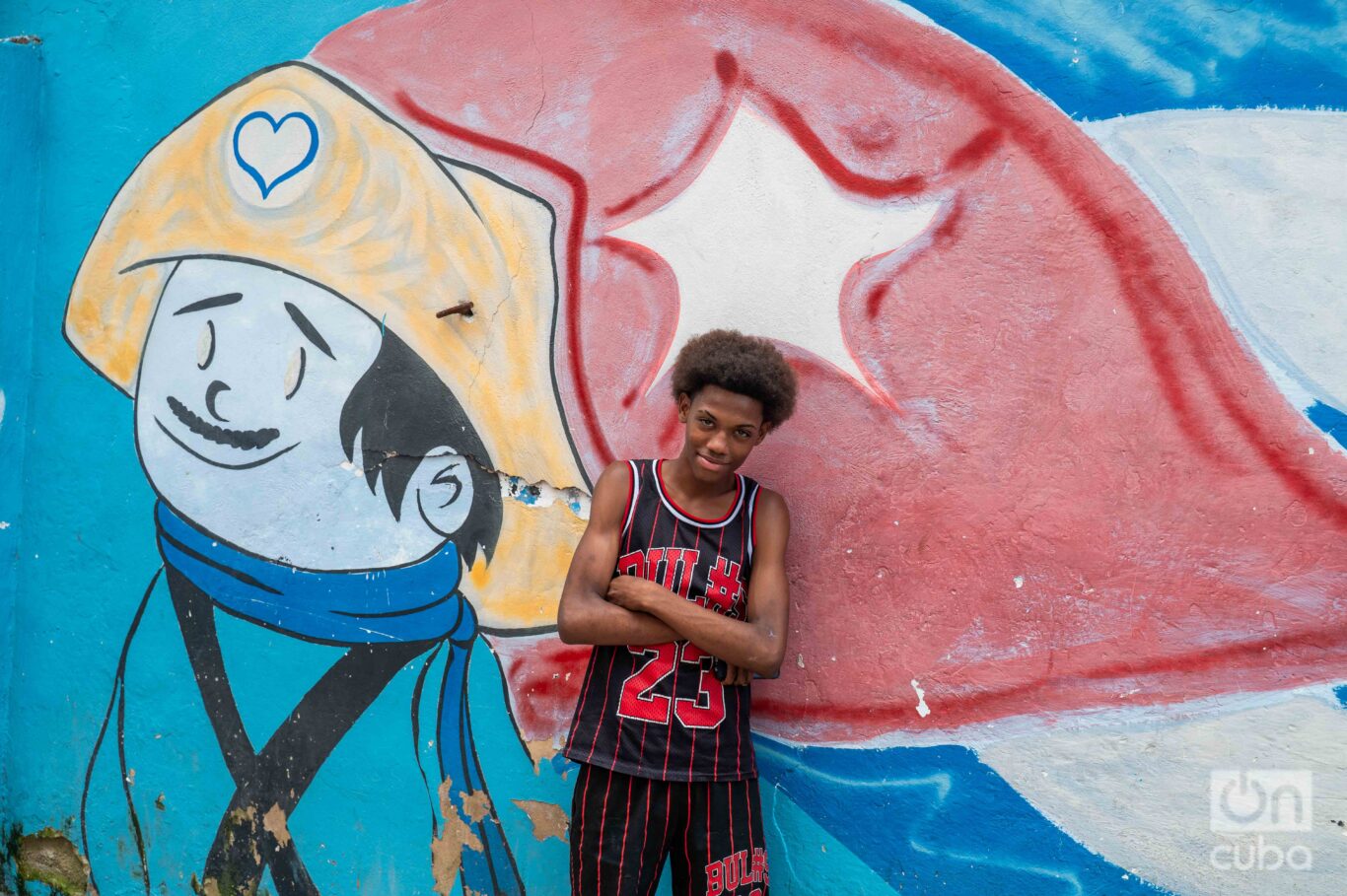
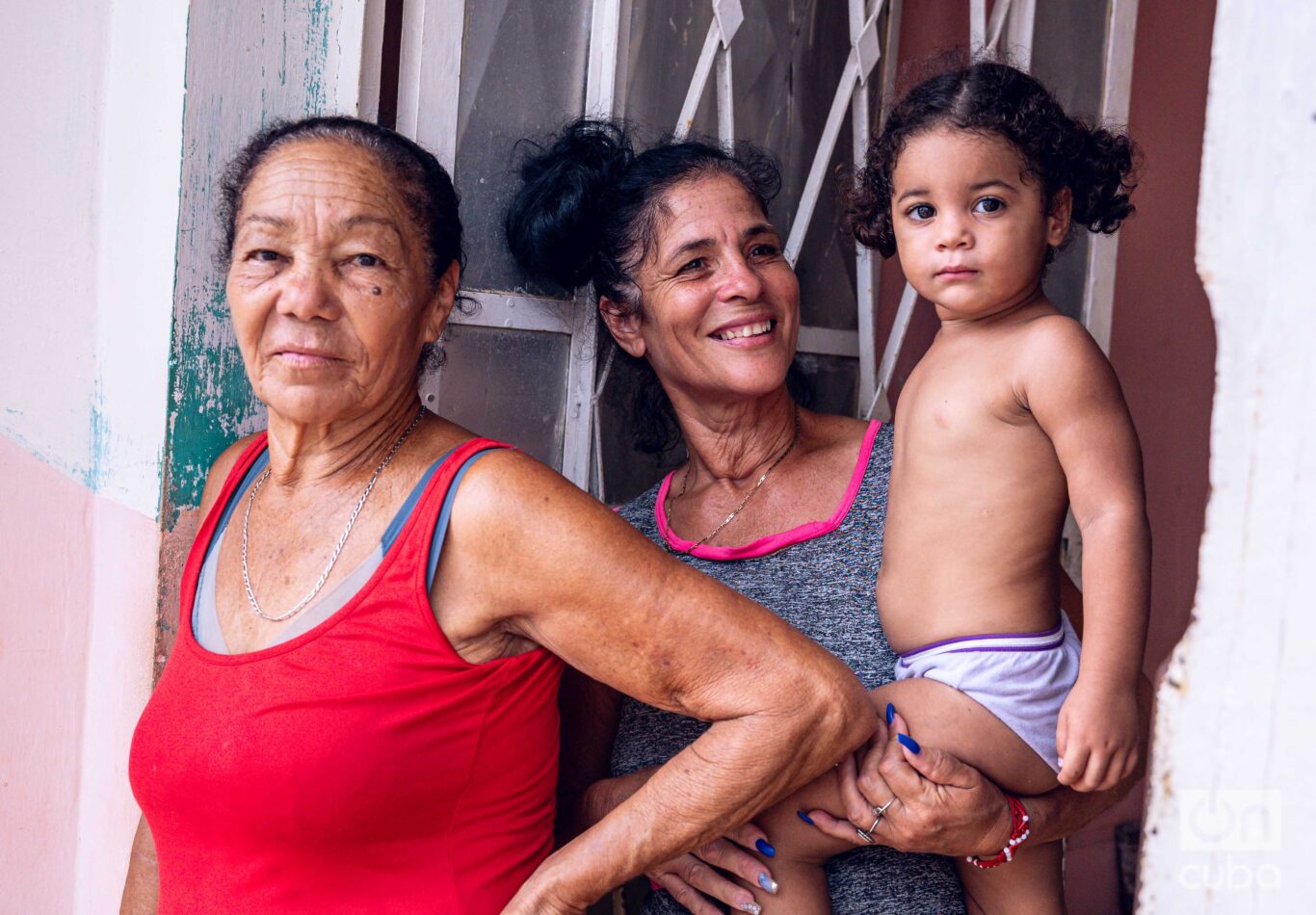
In Cuba, photography is rarely experienced as an intrusion. Rather it works like an exchange. There is closeness, quick trust, spontaneous complicity. The camera becomes a meeting point, an excuse to talk, to joke, to say something about yourself while the image is recorded. Portraying, in many cases, is also talking and listening. It is opening a brief space where someone is named and recognized in front of the lens.
I have been dedicating myself to photography for almost two decades. During much of that journey I tried not to interfere with what was happening in front of the lens. He preferred spontaneity, the gesture that appears without asking for it, the scene that builds itself while the photographer barely accompanies him. Over time, however, I began to slowly break that personal rule. I began to ask for portraits, to invite people to pose, to suggest that they stay in front of the camera for a second longer. That change occurred, above all, in Cuba. There I feel, like nowhere else, that people and the camera build a particular bond, a trust that is born quickly and that allows working with another proximity.
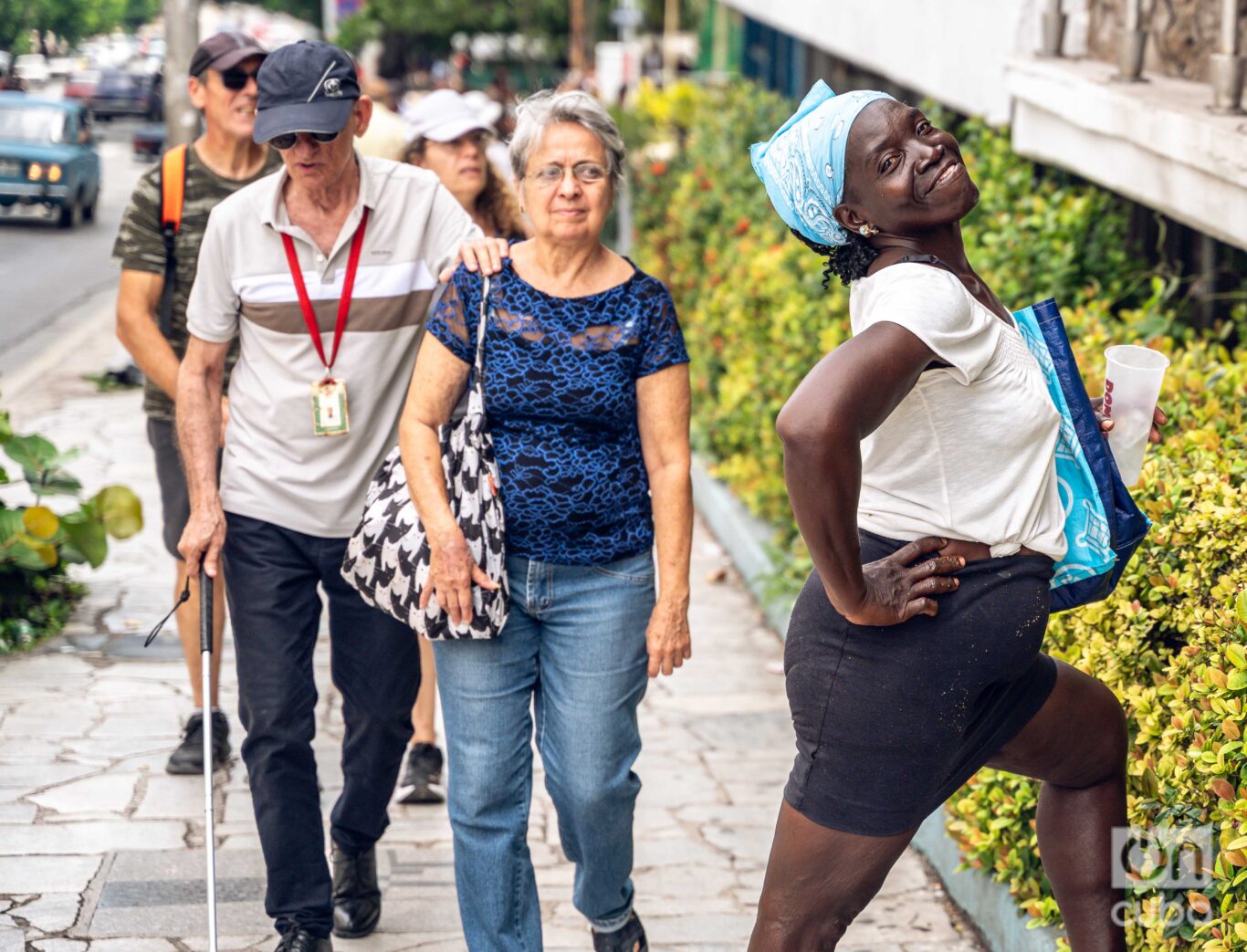
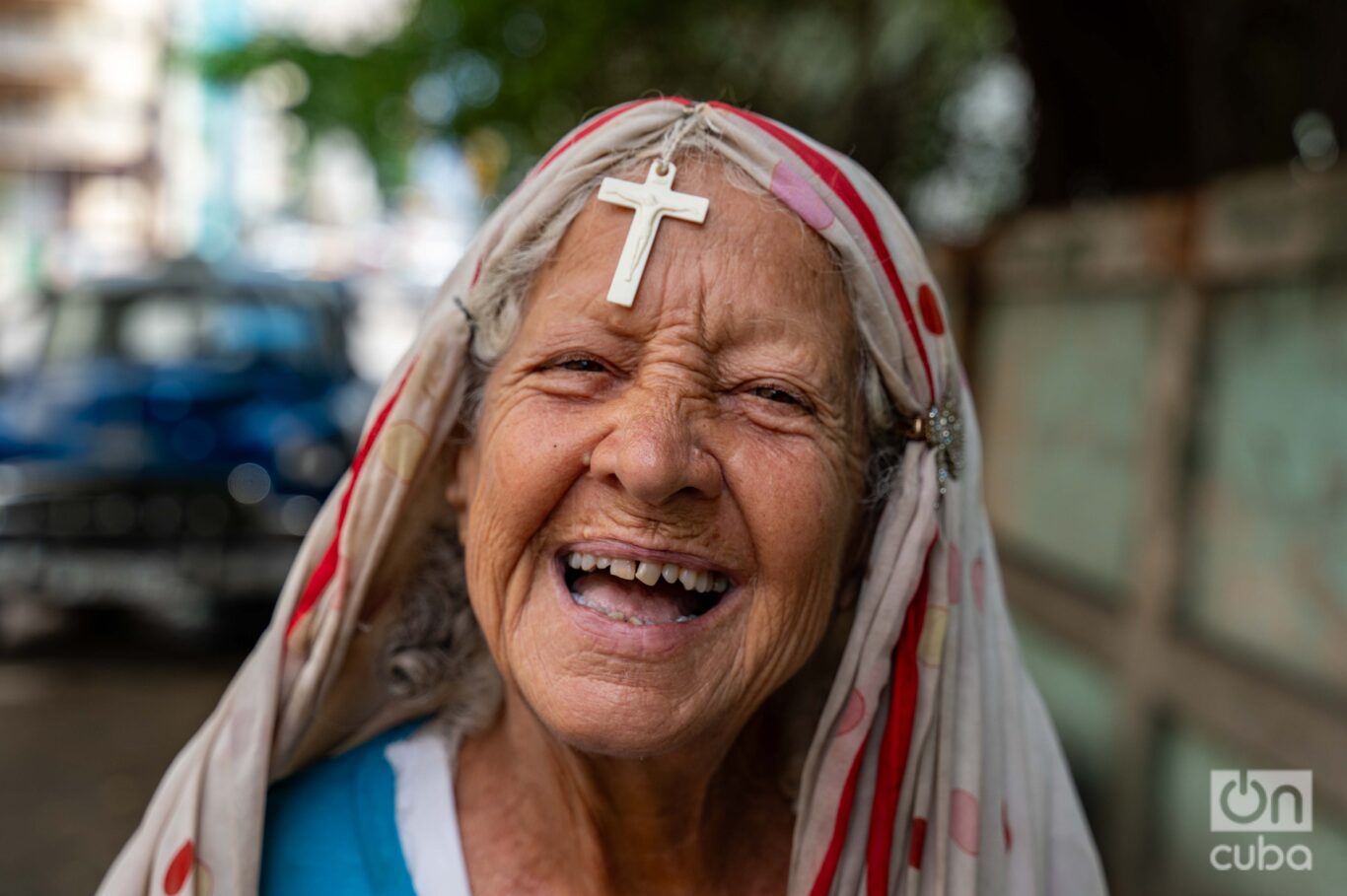
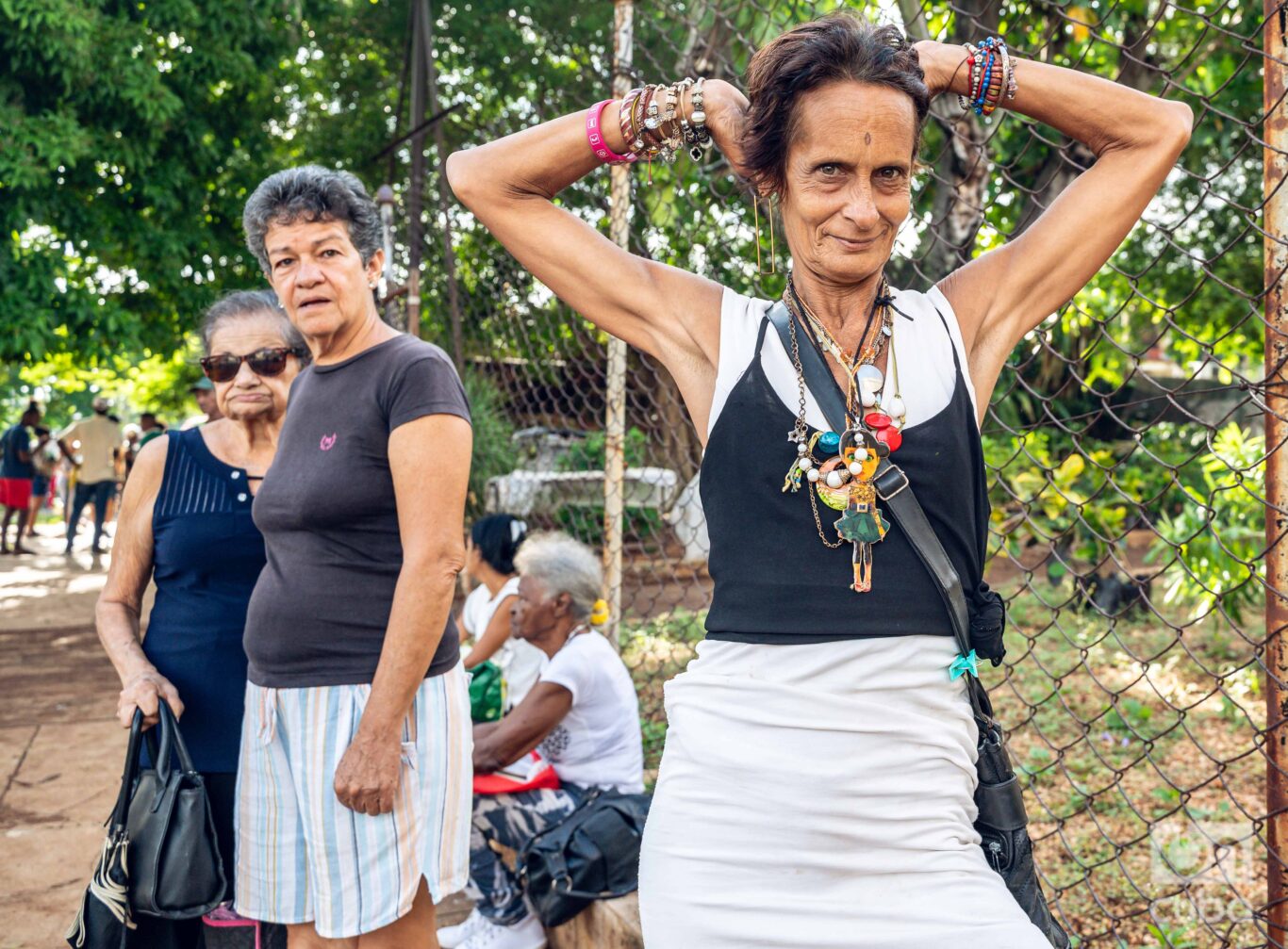
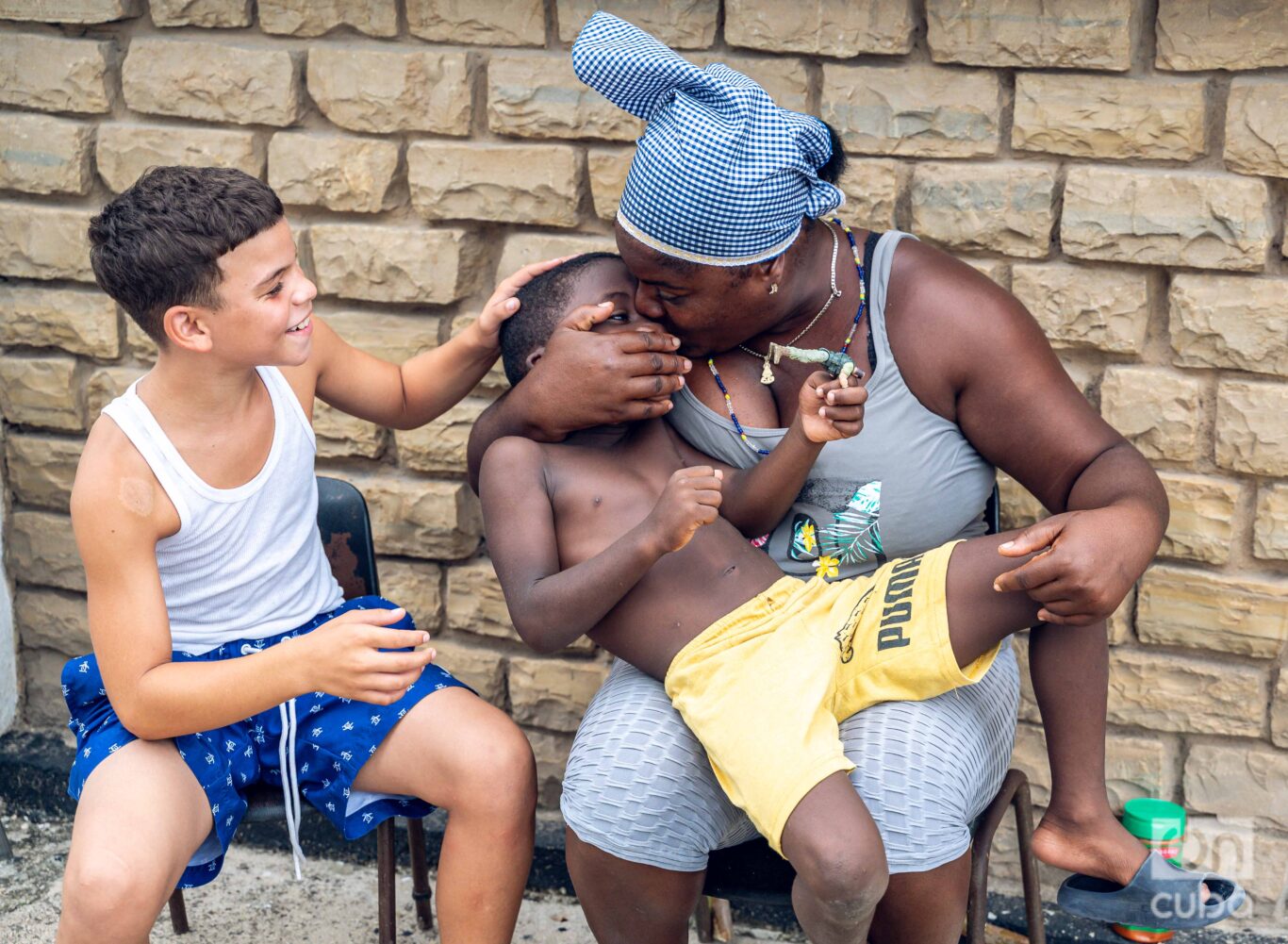
These photos do not seek to disguise reality or turn the crisis into a spectacle. Nor do they aspire to offer a definitive version of the country. Rather, they try to get closer to that place where the harshness of the context and the obstinacy to move forward coexist; where fatigue is evident, but so is the will to sustain life, humor, bonds and a certain dignity that does not give up easily.
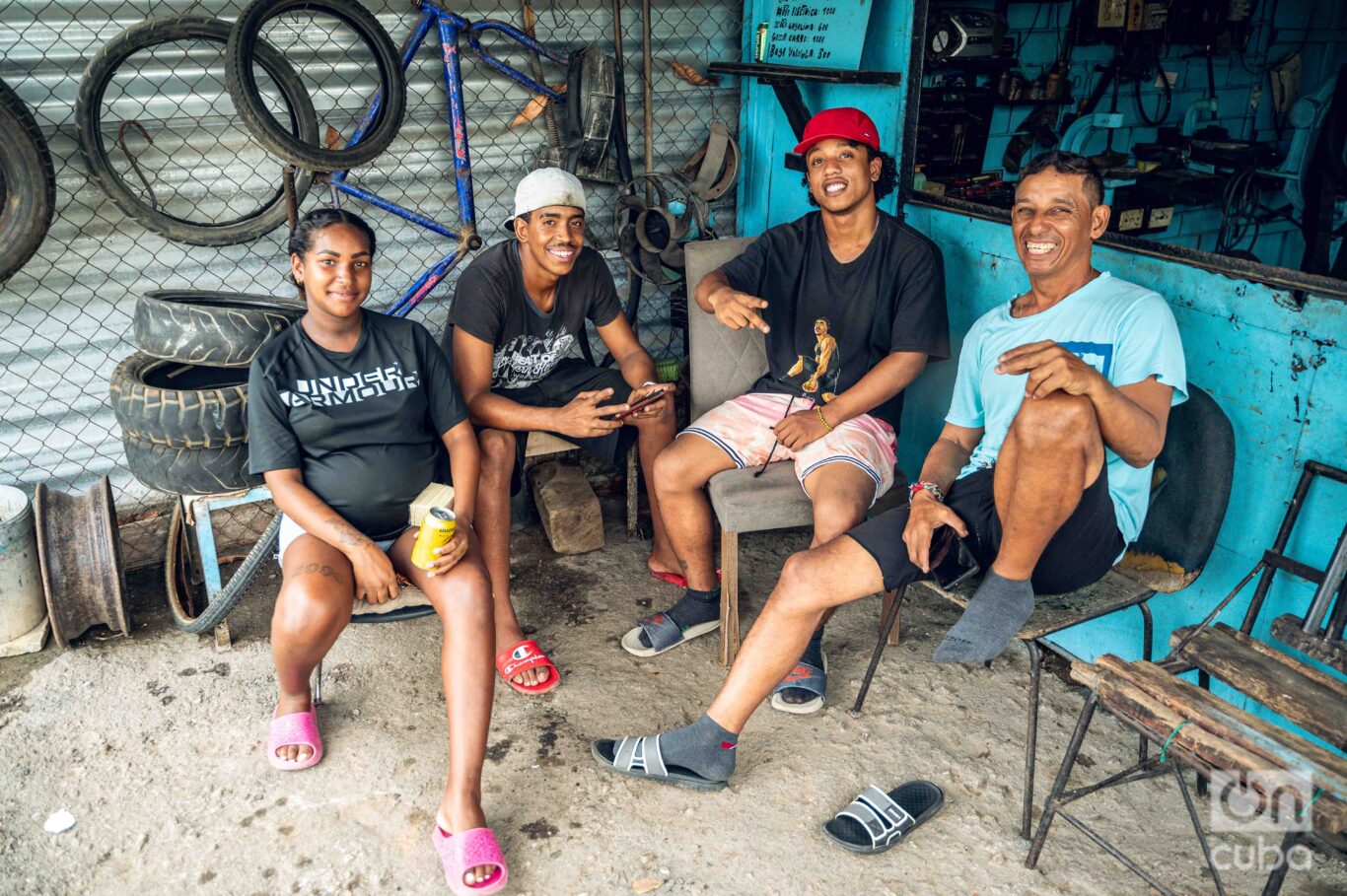
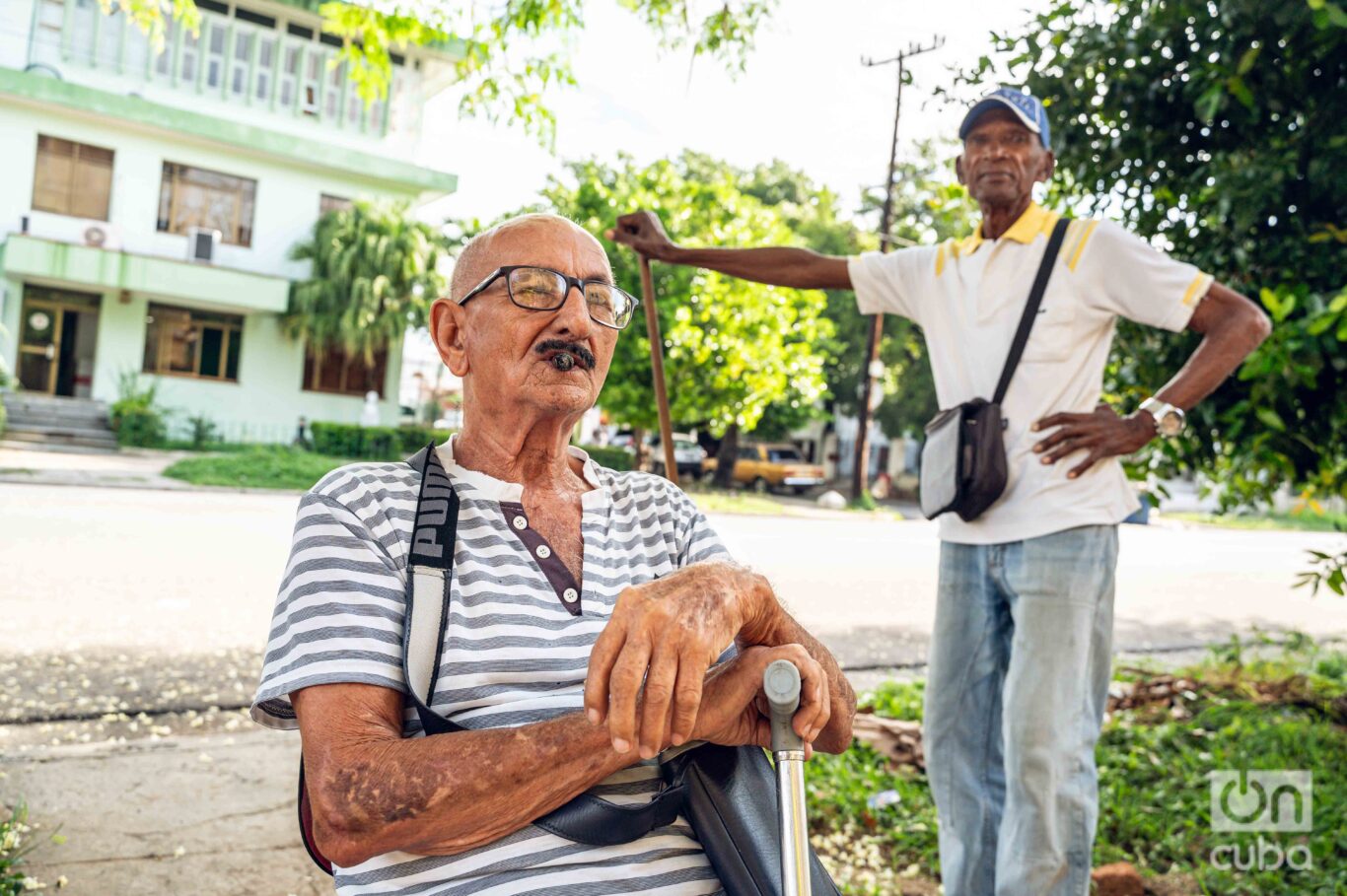
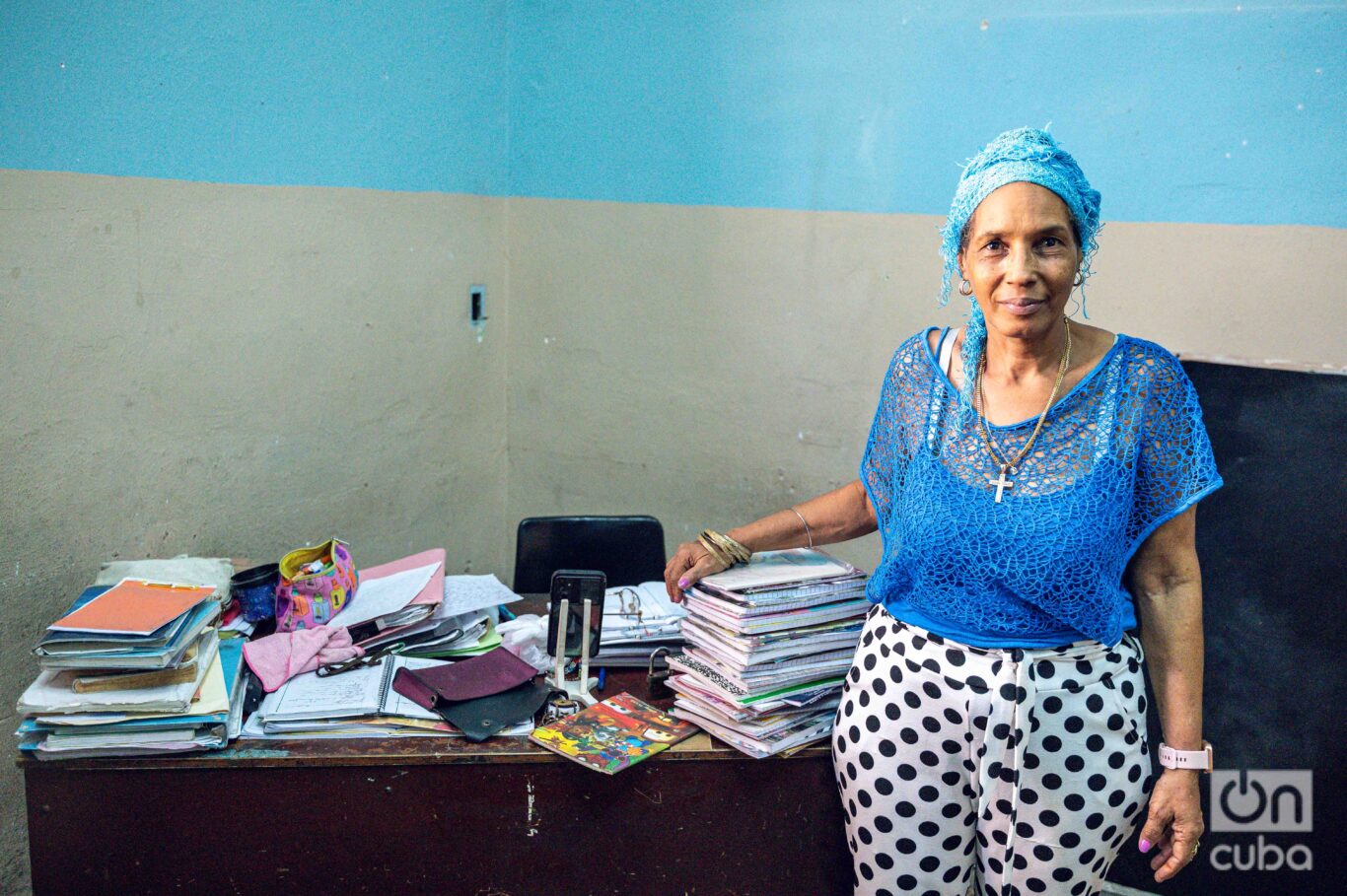
Photographing Cuba implies accepting that complexity. It involves walking, listening, talking, staying a little longer and understanding that behind each image there is a story that cannot always be seen complete. It involves looking without romanticism, but also without cynicism. Look carefully, with respect, with the awareness that each portrait involves someone who opens up for a moment before the camera.
Because, despite everything, there is something that persists. The links that sustain daily life persist. Humor persists, appearing as a defense and also as relief. The memory persists, insisting on not disappearing. A dignity persists that, even beaten, finds a way to assert itself. And it is because of that daily, silent and often invisible persistence, that I continue to believe that my people deserve all the good that life—and those who should responsibly manage the destiny of the country—still owe them.