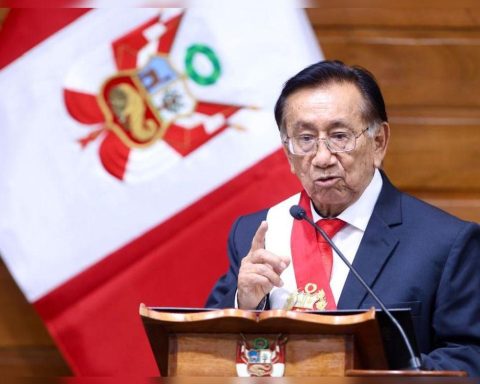
“Just for today: your chance to become financially independent. If you skip this video, you will miss this unique opportunity”businessman Alejandro Gamero is heard saying in a viral video directed at Roberto del Águila, host of the program Azul & Verde on Peru21TV.
However, in the same interview, Gamero contradicts himself by stating that the secret cannot be revealed to all Peruvians, since “Overnight, everyone in Peru would be millionaires”. That is, it invites them not to miss a supposed revelation to generate wealth, but at the same time not everyone knows it. And this is because the viral is a montage of the original program, generated with artificial intelligence (AI) that seeks to give credibility to a scam, using ‘deepfake’ technology.
“It should not be necessary to clarify it, but I prefer to do so: this short video that is circulating on social networks is false. It is a montage made with Artificial Intelligence”clarified Roberto del Águila on his networks.
“Do not believe everything you see on the networks, always doubt and corroborate the information”he added.
The circulation of videos of journalistic interviews published in relevant media or conducted by influencers with public figures or specialists recommending methods to obtain quick profits or promote opportunities for financial independence is increasingly common.
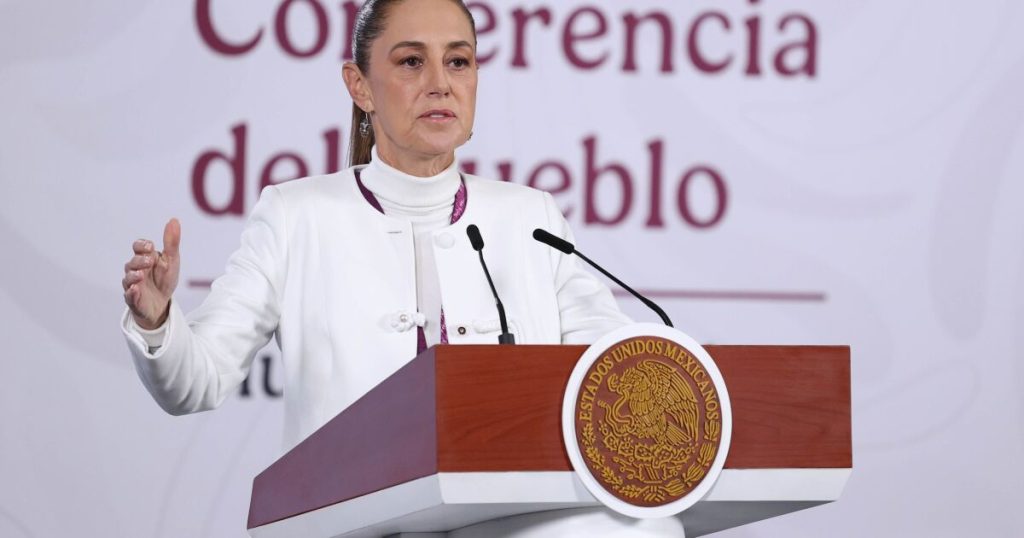
Many times, the stories behind these videos appeal to the revelation of secrets of businessmen and entertainment figures who have been generating wealth through investment in digital platforms. Julio Velarde, Roque Benavides, Gisela Valcárcel, among other public figures have been the hooks for these videos.
What is ‘deepfake’?
The term ‘deepfake’ comes from the combination of “deep learning” and “fake.” It refers to video, image or audio files generated by artificial intelligence that imitate the appearance and sound of a real person.
These videos use an AI architecture known as Generative Adversarial Networks (GAN) that put two algorithms in competition: one creates the fake (the generator) and the other tries to detect if it is fake (the discriminator). This process is repeated millions of times until the video is so realistic that it fools the human eye.
One of the most common features is the reuse of an authentic interview, to which promotional text is added or the original audio is replaced. According to research, scammers often take advantage of videos from talk shows or news programs due to the quality of the lighting and framing, which makes it easy to manipulate without the audience noticing at first glance.
Organizations such as Factchequeado and AFP Factual have identified similar cases in Latin America, so they recommend checking the consistency of the content before assuming that the person really said what appears on the screen.
Why do you take the bait?
Financial scams thrive because they appeal to basic emotions: ambition, fear of being left out of an opportunity, or the need to belong to a group. Often, fraud is not presented as something shady, but as a legitimate opportunity that others are already taking advantage of.
Promoters appear trustworthy, speak confidently, display supposed achievements or rely on recommendations from acquaintances. It is precisely that appearance of normality that disarms distrust.
Victims often share a common trait: they trusted without checking. The majority does not verify whether the company or person receiving the money is registered with the Superintendence of Banking, Insurance and AFP (SBS), the Superintendency of the Securities Market (SMV) or the National Superintendence of Customs and Tax Administration (Sunat), nor does it check whether the financial product really exists.
They also do not ask for formal contracts or audited account statements. In many cases, the only support is the word or social prestige of the person offering the investment.
The warning signs are clear, but they are often ignored. Among the most important are:
- Promises of profitability well above the market or guaranteed without risk.
- Pressure to invest quickly, under the argument of not losing “a unique opportunity.”
- Lack of official registration or supervision before the SBS, the SMV or the Sunat. Even at Sunat you can verify if the company has workers.
- Incentives to recruit other investors, characteristic of pyramid schemes.
- Lack of verifiable information about the destination of the funds or the earning mechanisms.
Guidelines to avoid scams
According to experts’ recommendations, people should develop verification habits before investing. A first step is to consult the public records of the SBS or SMV, where you can confirm whether an entity or financial advisor is authorized.
It is also advisable to compare the rates offered with those of the formal financial system: if the difference is very high, there is probably a hidden risk.
Another key element is financial education, which is not limited to knowing technical concepts, but rather understanding the behavior of money and the emotions that surround it. Knowing how interests, risks and investment diversification work allows you to recognize when an offer lacks support.
It is worth remembering that trust is not a financial guarantee. Personal or social ties should not replace the objective review of the information. The most successful scams are not imposed by force, but by the trust they generate.
In an environment where information circulates at great speed, informed skepticism is a virtue. Therefore, before investing, the most prudent thing is to ask yourself three simple questions: do I understand what I am investing in? Who is supervising this operation? And what would happen if I lost my money? If any of these answers are not clear, the wisest thing to do is to stop.
Likewise, there are signs that help to suspect a manipulated video. One of them is the presence of texts superimposed with overly emphatic messages, especially those that promise extraordinary income, supposed offers available only for hours or invitations to invest without risks.
It is also important to analyze the synchronization between the voice and the movement of the lips. In fraudulent montages you may notice a slight lag or an unnatural flickering pattern, which occurs when the image has been altered using AI.
Receive your Perú21 by email or WhatsApp. Subscribe to our enriched digital newspaper. Take advantage of the discounts here.
RECOMMENDED VIDEO