N
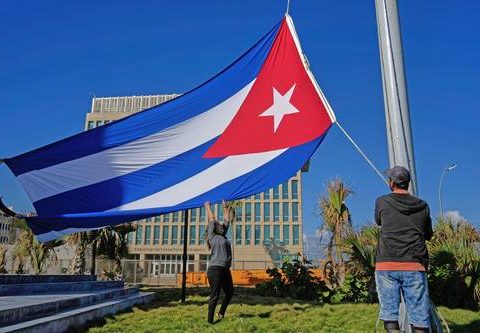
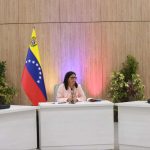
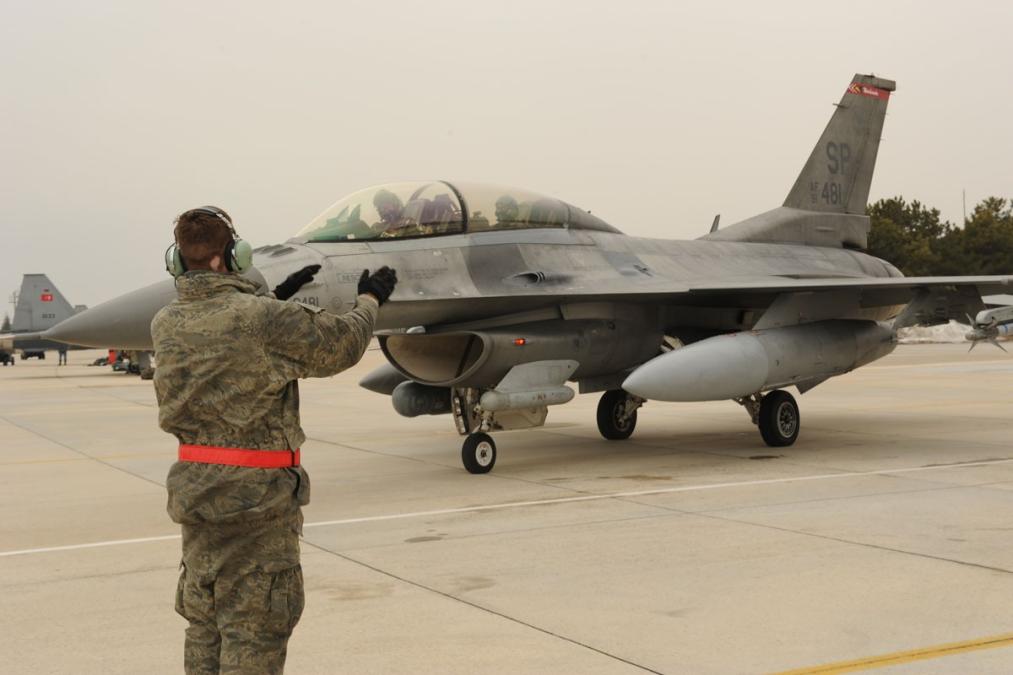
Nicolas Maduro continues In Miraflores and in Cuba today they celebrate the 67th anniversary of the Revolution. January 1, 2026 dawns with this uncomfortable truth for the opinion machinery that has been predicting the imminent fall of both governments for months, while Trump’s gunboats prowl the Caribbean.
There is no honest way to deny the crises that both countries are going through – they are visible and socially painful – but what it is about is understanding why the story of the “inevitable fall” returns again and again and, time and again, fails.
What collapsed in 2025 was not power in Caracas or institutions in Havana. What collapsed was a type of reading, comfortable for certain elites, that reduces politics to a mechanical equation of pressure and collapse, confuses desire with prognosis and, above all, presents Latin America as a board where Washington moves pieces and the people of the south limit themselves to falling due to inertia.
“Maduro will not make it to Christmas,” shouted Cuban-born congressman Carlos Giménez, when Trump declared his “peace through strength.” Giménez’s co-religionists in Miami said the same thing, but with the addition of the “Castro-communist ending.” This determinism, repeated ad nauseam by Florida politicians led by the Secretary of State, Marco Rubio, has served to normalize collective punishment and turn social suffering into a tool of “political engineering.”
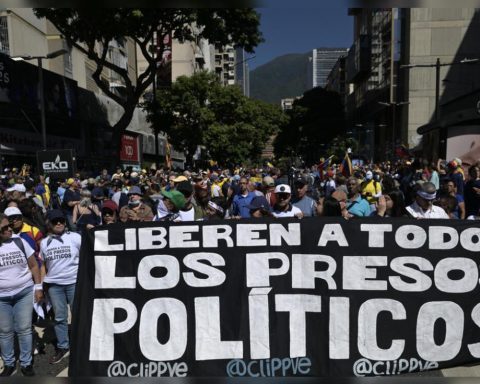
In 2025 there were headlines and columns that treated the collapse as an event in the making, almost inevitable: “one more push”, “a definitive closure”, “one last turn of the screw” was enough. In Venezuela, opposition media came to narrate the fall as if it were happening in real time. The Nobel Peace Prize winner and enthusiast of a US invasion, María Corina Machado, promised Trump massive privatizations of her country’s oil fields and free rein for US companies.
In the Cuban case, think tanks and commentators insisted that the combination of the energy crisis, inflation and social unrest opened a window of “regime change” in 2025. In the US political scene – and especially in the media ecosystem based in Florida – the escalation of the heavy-handed discourse, with explicit references to “regime change” as a desirable destination, was presented as a prelude to a total victory against communism: first Caracas, then Havana; all by drag, as if societies were dominoes.
But reality is stubborn. There are structures, interests, memories and state capacities that do not evaporate at the first blow. When punishment becomes the norm, societies learn – sometimes creatively, sometimes painfully – to survive within the anomaly. People are not a footnote in the geopolitical calculation: they are political subjects with the capacity to interpret what happens, to organize collective knowledge and to accumulate experiences; They have support networks, forms of cohesion and a practical intelligence forged by memory and in the harsh daily reality.
In Cuba, blackouts, the deterioration of purchasing power, shortages, migration and shortages of all kinds were read as an automatic threshold for collapse. The idea that the economic crisis “can only end” in political decline was repeated. But Cuban history – with all its contradictions – is also the history of a State that has already survived shocks extremes, including the Special Period, through a combination of partial economic reorganization, institutional leadership, and community and family networks that cushion the catastrophe. That doesn’t make the crisis any less real. It only explains why the crisis does not mechanically translate into collapse.
Both Venezuelans and Cubans identify in Washington the main factor of the economic asphyxiation they suffer and that awareness, far from unleashing a rebellion against their governments, tends to activate reflexes of national dignity. If what the US power sought was to convert hunger, blackouts and uncertainty into a lever for insurrection, the purpose has failed. They have achieved societies willing to resist, not to revolt.
It may be appropriate to change the question to vary the policy. It is not “when they fall”, as if the fall were a spectacle. It is “how much life you are willing to destroy to try to knock them down.” That is the ethical question that the prophets of collapse avoid, because it forces them to look at the human cost of their recipe and for anyone with memory in Latin America – with coups, blockades, invasions, tutelages – that question should be a red line: no “democracy” imposed with gunboats is worth the price of punishing millions of innocent people.
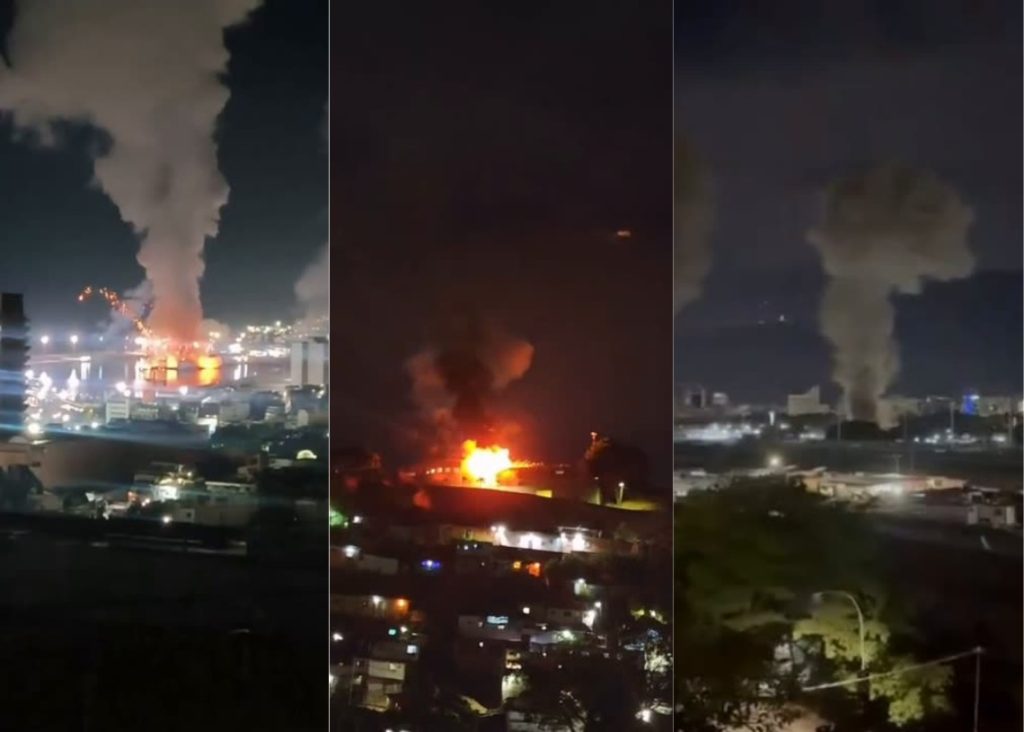
And then 2026 arrived.