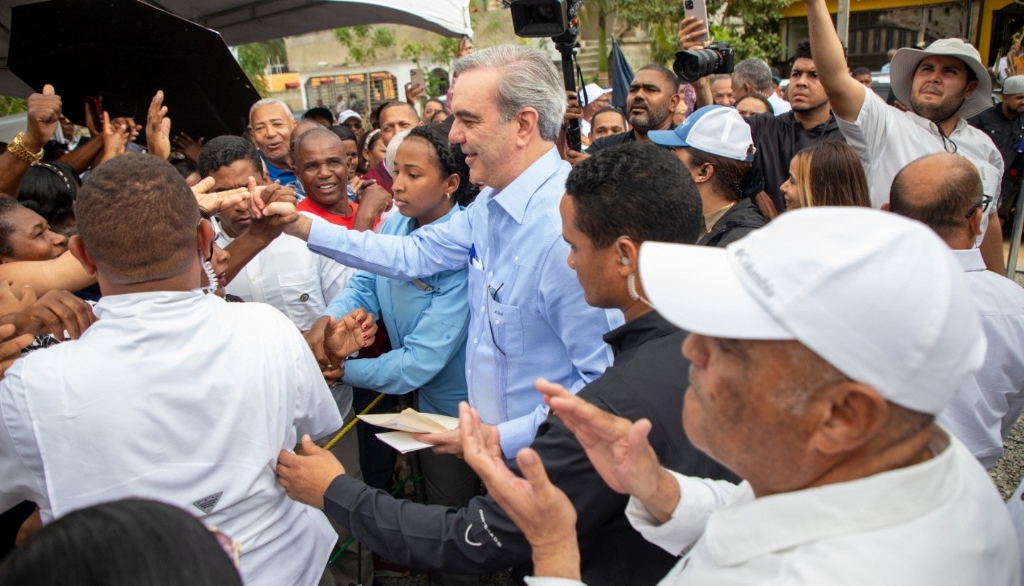
SANTO DOMINGO.- He Closing of 2025 was the prelude of what is projected as a year of high political charge, in an eninternational environment that is once again complex, but with economic expectations of improvement in terms of growth, although with the challenge of the necessary structural reforms that are not completed.
The growth of the Dominican economy will end up bordering 3% of the Gross Domestic Product, a respectable figure compared to what is happening globally, but lower than the Dominican historical figure, which will undoubtedly be used by the opposition in its siege campaign against the ruling party.
3% is not a bad figure in a complex international context, but it is a reminder that the room for maneuver has narrowed and that 2026 is presented as a decisive year, both economically and politically.
The great challenge of the new year will be to exceed 4% growth, an ambitious goal if current restrictions are taken into account. Inflation, one of the great recent achievements, remains relatively controlled, which gives some relief to thes homes and the Central Bank.
However, the absence of a comprehensive tax reform limits the State’s ability to promote countercyclical policies, expand public investment or strengthen key areas such as infrastructure, health and education without increasing debt.
The Government thus moves in a delicate balance between stimulating growth without overflowing public accounts and without touching a tax system that everyone recognizes as insufficient and unequal, but that no one seems willing to reform in the short term.
The tax discussion has become a politically toxic issue, postponed again and again, and 2026 does not seem the most favorable time for the president Luis Abinader invest political capital that ended up badly dented at the end of the year by the fraud scandal in the National Health Insurance (SeNaSa).
Although Abinader has handled that one, which has undoubtedly been the main scandal of his government, marking distance from the responsible and even promoting institutional action so that a Public Ministry independent of the presidential mandate has all the tools to investigate and prosecute the accused.

A less benign international environment
The external context does not offer many favorable winds either, since the same global conflicts as in 2025 remain open and with the negative perspective that more will open.
The world economy enters 2026 with signs of slowdowninternational interest rates that remain relatively high and more fragmented global trade.
The United States, main trading partner and source of remittances and tourism, faces its own political cycle and economic, with uncertainties that inevitably filter into the Caribbean.

Added to this is the persistent crisis in Venezuelaela, which continues to have regional effects. Beyond the humanitarian and internal political drama, the situationThe Venezuelan crisis continues to be a factor of instability in Latin America and the Caribbeanaffecting migratory flows, geopolitical alliances and, to a lesser extent, energy markets.
For Dominican Republic, The impact is not direct in commercial terms, but it is on the regional diplomatic board and in the need to maintain a prudent foreign policyaligned with democratic stability and international balances.
Two Dominican airports, andl International of the Americas (AILA) and the military of San Isidroare being used for logistical support of US aircraft that have been deployed in the Caribbean region with the justification of the regional fight against drug trafficking.
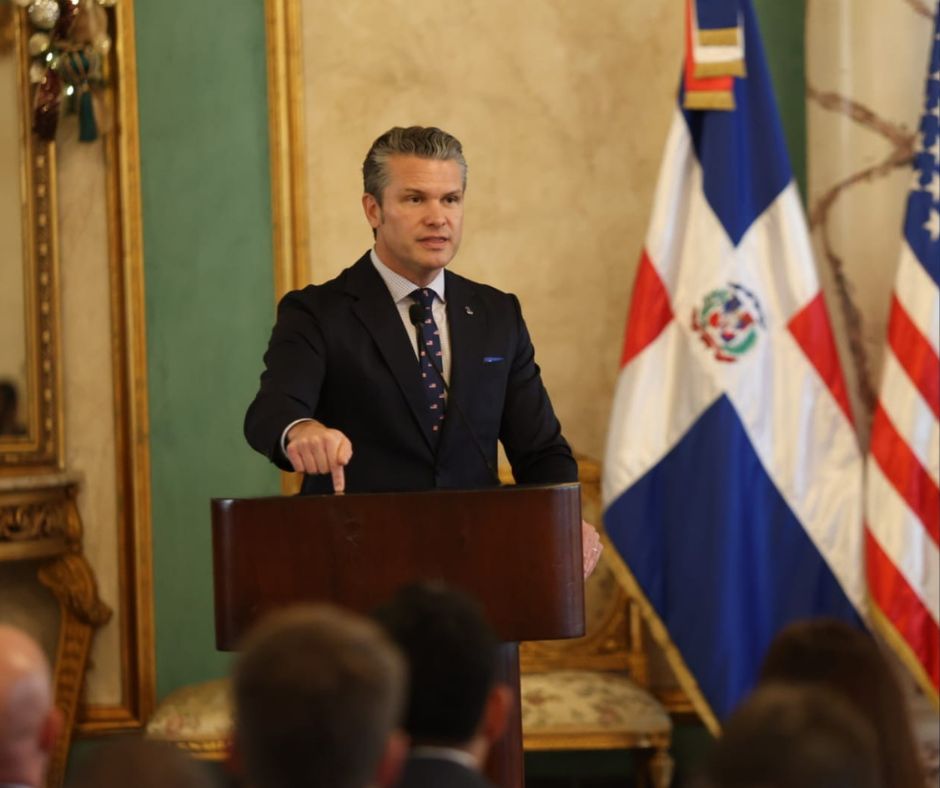
Both the United States and the European Union has chosen the Dominican Republic as a strategic partner in the region to combat drug trafficking, because in recent years the confidence and effectiveness of national anti-drug authorities has increased.
An inevitably political year
This 2026 promises be a year of great political activism. The country fully enters a pre-electoral cycle in which the main parties of the system will begin to openly outline their presidential candidacies, even when the elections are years away.
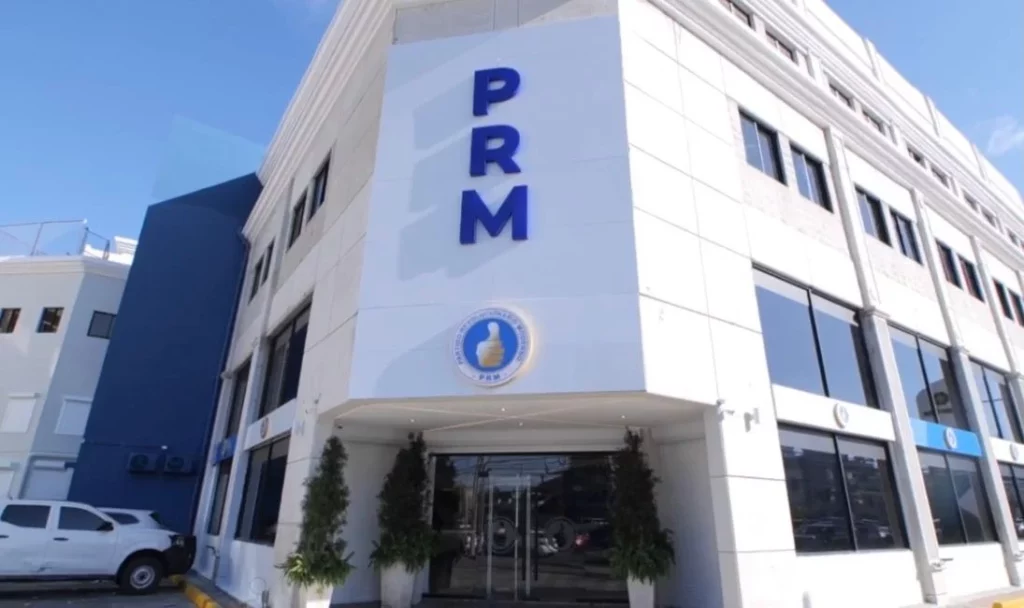
In the official Modern Revolutionary Party, the internal race is already visible. David Collado and Carolina Mejía They appear as the main leaders, with different styles but important political capital.
Collado, with its national projection from tourism, and Mejíawith the weight of their municipal management and their political surname, represent two visions of continuity with nuances.
Further back, Eduardo Sanz Lovatón remains a distant thirdwith media presence and technical discourse, but still without the necessary drag to dispute internal leadership on equal terms.
Also lagging behind is emerging Wellington Arnaud, whose political capital lies in its impact among regional leaders within the party structure.
The key for the PRM will be to manage this competition without fractures, preventing the internal struggle from wearing down the government before its time, with a president Luis Abinader who from the beginning of his second term took a step aside to establish himself as a mediator within his party, if necessary.
The opposition: leadership and dilemmas
On the opposition side, Fuerza del Pueblo has managed to consolidate itself as the main alternative force to the ruling party. Its undisputed leader remains Leonel Fernandez, a figure with historical weight, government experience and capacity for political articulation.
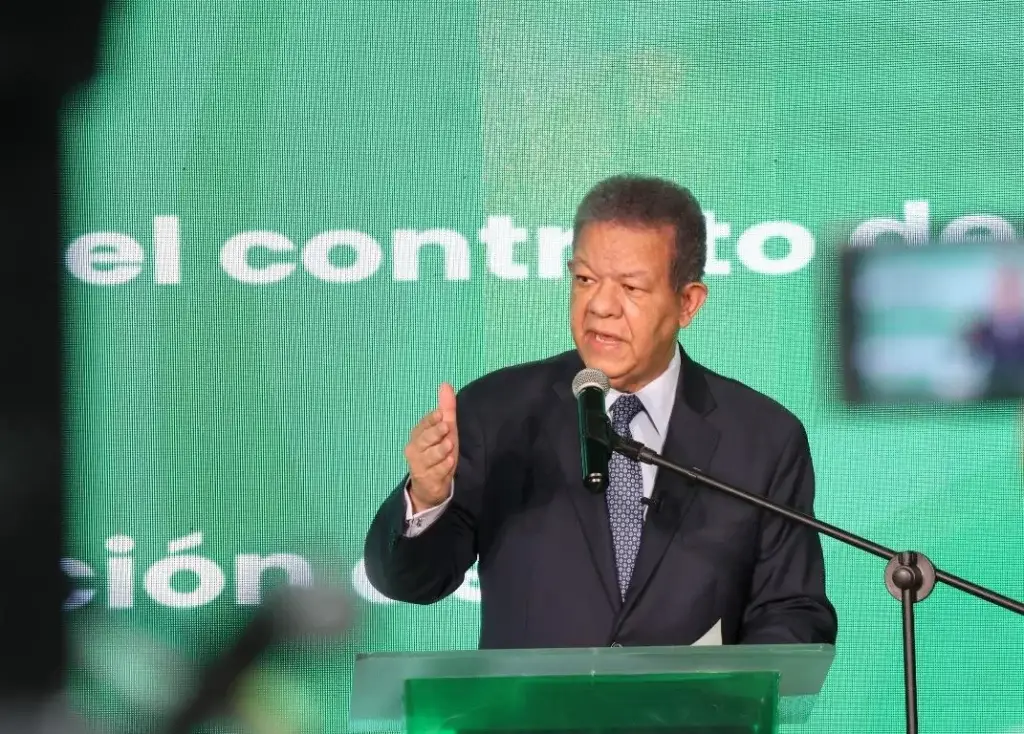
However, the Fuerza del Pueblo faces the increasingly visible dilemma of generational change, which has not generated confrontations because it is about father and son.
Fernández has been a presidential candidate five times, with defeats in the two most recent elections, and in recent months he has had to deal with internal and external pressure to give way to his son, Omar Fernandezwhose popularity and legislative performance have made him a rising figure.
The question is not only who will be the candidate, but what message the opposition wants to send to the country: continuity of a long-standing leadership or commitment to a renewal that connects with a younger electorate and less marked by the battles of the past.
Governing amidst the noise
Meanwhile, the Government led by Luis Abinader will have to manage the economy in an adverse international context, with internal fiscal limitations, while dealing with an increasingly noisy political environment.
The opposition, for its part, will seek to capitalize on any economic slowdown or management error, while sorting out its own internal disputes.
For Dominican society, the challenge will be to demand concrete results beyond pre-electoral rhetoric: that economic growth be felt in the pocket, more efficient public services, solid institutions and a political debate that does not sacrifice the future for the immediacy of competition.
Last year, the Government managed to inaugurate works of great importance in infrastructure, such as the Baní ring road, the slope of the 27 de Febrero extension and the ring road from Santo Domingo to Boca Chica.
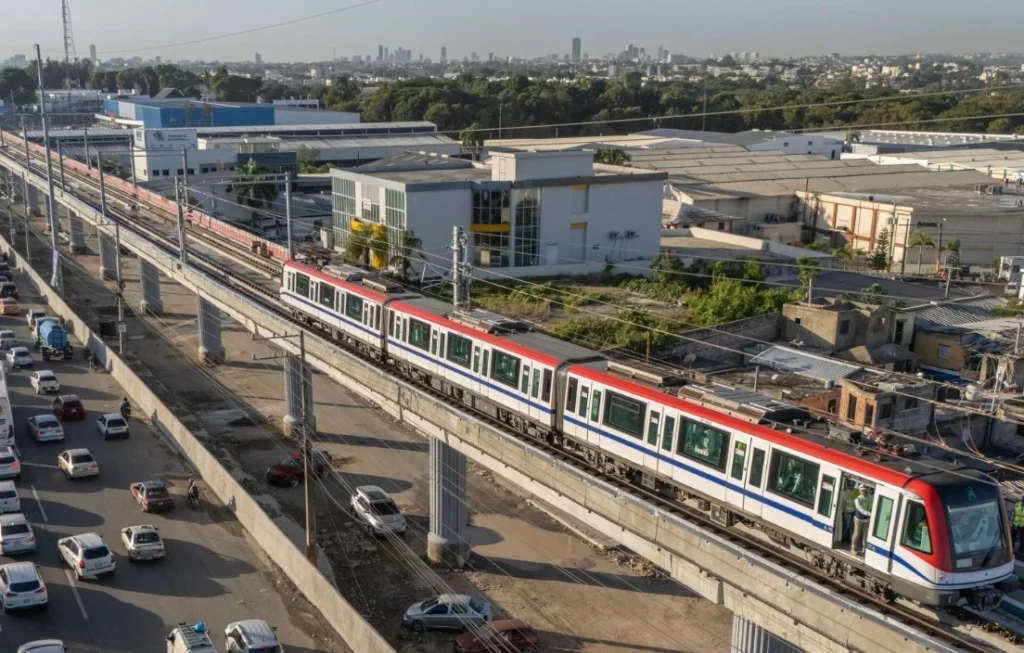
Meanwhile, works such as the Los Alcarrizos metro, the Santiago monorail and other infrastructure projects. However, the Government has had difficulties in articulating a speech that shows your ability to complete projects and the magnitude of the works launched during this administration.