ANDI warned that the increase in the UPC for 2026 is insufficient and could aggravate the health system crisis.
The National Association of Businessmen of Colombia (ANDI) expressed concern about the defined increase for the Capitation Payment Unit (UPC) in 2026recently announced by the Ministry of Health.
According to the union, the approved adjustment does not fully recognize the financial reality of the health system and could deepen the crisis that the sector is going through in different regions of the country.
ANDI recalled that the UPC is an essential component to guarantee the minimum resources necessary to cover the costs of medical services, medications, therapies and health technologies, and thus ensure the fundamental right to health of the Colombian population.
In that sense, he stressed that the adjustment of the UPC It should not be understood as a negotiationbut as a technical decision that corresponds to the Ministry of Health, the Ministry of Finance and the National Planning Department (DNP).
More news:Asocapitales warns about the impact of the minimum wage in cities
Insufficient increase compared to the reality of the system
The union warned that an increase in the UPC below what is required to respond to the population agingthe growth in demand for services and the increase in health production costs—associated with the rise in the minimum wage and inflation—will have direct effects on the citizens’ access to health services in 2026.
According to ANDI projections, at the end of 2025 the system would register a accident rate of 105.9%which implies that for every $100 that the EPS receive, they spend about $106 only on health care, not including administrative expenses. This situation would have generated a operating deficit of $10.2 billion in 2025.
Based on the financial information of the General Health Social Security System (SGSSS), the union estimated that by 2026 a minimum increase of 15.6% in the UPC to begin stabilizing the current operation of the system.
Risks of approved adjustment
However, the increase defined for 2026 would be, on average, 12.94%with an increase in 9.03% in the contributory regime and of 16.49% in the subsidized regimethe latter aimed at financing pure premium equalization at 95%.
With this scenario, the system would require about $113.4 billion for its operation, including other costs such as maximum budgets, general disability leaves and maternity and paternity leaves.
According to the union’s projections, the contribution of General Budget of the Nation should amount to $45.9 billionwhich would barely leave $2.5 billion available for other uses.
Given this panorama, ANDI called on Ministry of Health to reconsider the decision and appropriate the resources in accordance with what was approved by the Congress of the Republic, respecting the legal priority of health insurance.
You may be interested in:How much are they going to deduct from your health and pension with the increase in the minimum wage?
Impact on the contributory regime
ANDI recognized that the premium equalization between the subsidized and contributory regimes is a legitimate objective, but he warned that the adequate financing of the entire system.
In particular, he warned that with an increase close to 9% in the contributory regime The costs of care would not be fully covered, which would generate a deficit close to $3.7 trillion in this regime.
These resources, the union noted, would stop reaching clinics, hospitals, doctors, nurses and, finally, to the patients, affecting the timely and quality delivery of the services.
“A humanitarian tragedy”
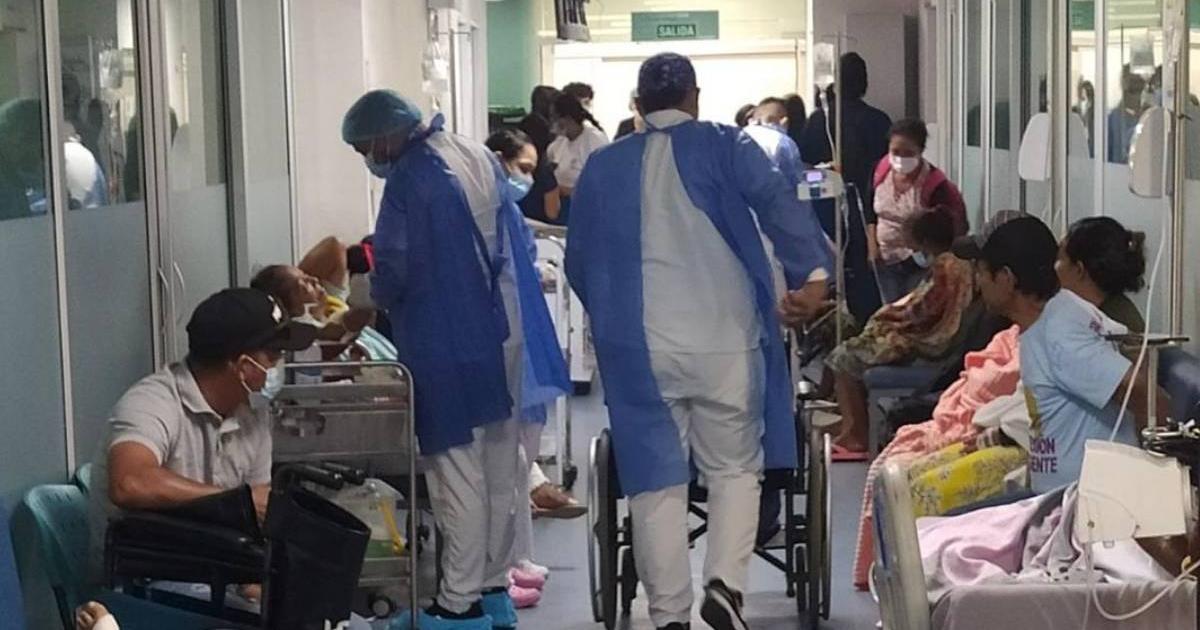
Finally, ANDI warned that the health system crisis It is no longer just financialbut it has become a true humanitarian tragedywith visible impacts on user attention.
The union reiterated that appropriating all the resources approved by Congress and adjusting the UPC of the contributory regime to a level closer to the required would allow the first steps to overcome the structural crisis of the Colombian health system.
Source: Integrated Information System