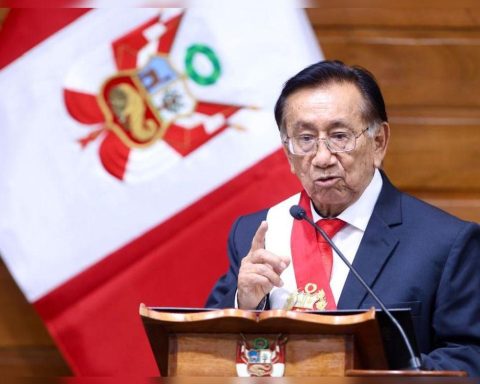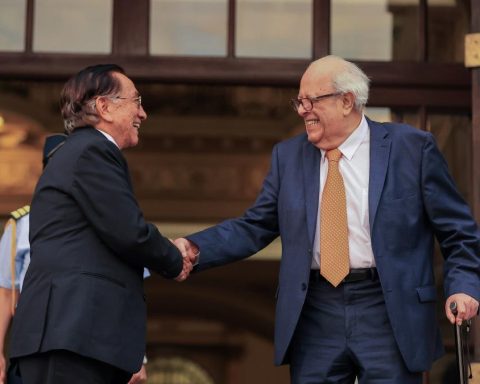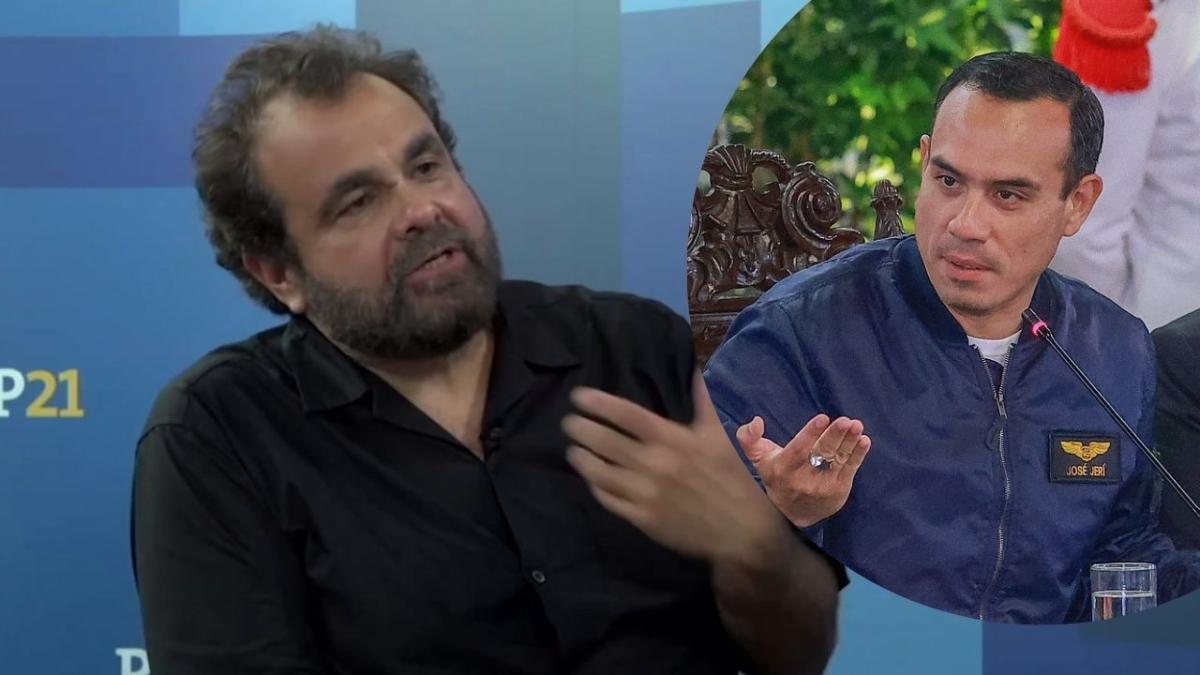
The publicist and founder of the Candy Store agency, Gonzalo Figarianalyzed the recent campaign of the government of José Jerí: “Peru at full speed!”
Figari argued that while it is possible to do political marketing even when there are no visible results, it is not necessarily the most advisable. In his opinion, the campaign would seek to convey the idea of movement and action, rather than show real achievements. “It gives the impression that what they want is for it to be seen that they are mobilizing,” he said.
The publicist also warned of a generational reading in the strategy, considering that the president belongs to a millennial generation and that there would be an attempt to take advantage of elements of digital and viral culture, such as the imitation that circulates on social networks. However, he specified that this is a phenomenon created by the imitator and not by the president himself. “It is an example of how imitation ate the character,” he said.
Figari also questioned the reasoning behind the campaign, considering that it could be a bid for visibility and public conversation, even if it generates criticism. “It may have been thought that the more one talks, the more popularity one gains,” he indicated, although he warned that there is a sector of the population that already demands concrete results, despite the short time in office.
Regarding the impact of the phrase “Peru at full speed”explained that it is a commonplace of popular Peruvian language, historically used in different contexts and advertising campaigns, so it does not belong to either the president or the imitator. In that sense, he considered that the message, without figures or achievements to support it, runs the risk of remaining an empty slogan.
Regarding the target audience, Figari ruled out that the strategy is clearly aimed at young people and maintained that the humor used is simple and transversal. “It’s kind of funny, period,” he said, adding that the president’s popularity responds more to a contrast with the previous government than to a solid communication strategy.
Finally, the publicist indicated that the campaign seems to respond to an attempt to avoid political wear and tear and close the management period without being marked by the insecurity crisis. “It would be ideal for these types of messages to be accompanied by real results,” he concluded.
Watch the full interview with Gonzalo Figari:
Subscribe for free to the most prestigious gastronomic guide in the country, SUMMUM, the weekly newsletter.