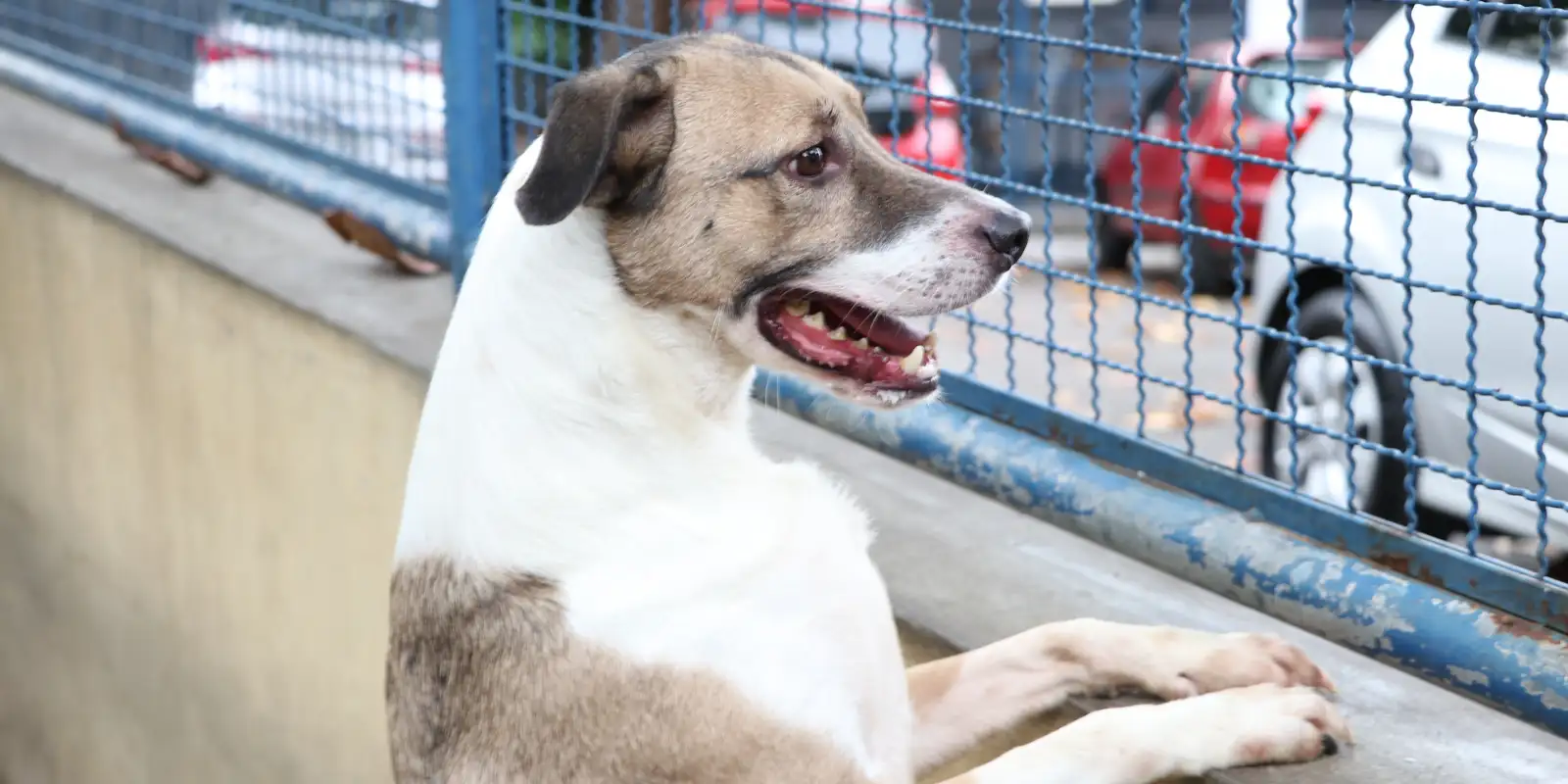
While human hearing can distinguish sounds that reach a maximum frequency of 20,000 hertz (Hz), dogs can capture up to 40,000 Hz and cats up to 65,000 Hz. Hence the concern of the president of the Regional Council of Veterinary Medicine of Rio de Janeiro (CRMV-RJ), Diogo Alves, regarding the negative impacts that fireworks at the end of the year festivities can have on animals.
Although large gatherings and fireworks are part of the New Year’s Eve tradition, for animals, this period can mean physical suffering, terror and a real risk of accidents..
“Because the loud and sudden sound, when the dog or cat hears it, they interpret it as a potentially threatening stimulus, which leads to strong stress and can even be related to a combination of sensory, emotional and behavioral factors.”
According to Diogo Alves, this leads to a sound phobia, since the animal has the power to enhance sounds. “They hear twice as many sounds as a human being. And in cats this is even greater.” Therefore, the ideal would be for owners to start preparing in advance, to ensure greater safety for their pets, not only during the week of Christmas and New Year, but also during Carnival, he suggested.
“Because the animal has to have a super harmonious routine at home. You can try to make sure the animal has toys at home, which can even work as an emotional tool for it, because it will help channel energy, encourage focus on the toy and be something positive that will make it disconnect from external stimuli. This is also very important.”
Those responsible must prepare in advance, leaving safer environments, such as closed rooms, closed curtains and improvised acoustic insulation, which help to reduce the impact of sound. Constant sounds, such as television or music at a moderate volume, can act as a sound barrier.
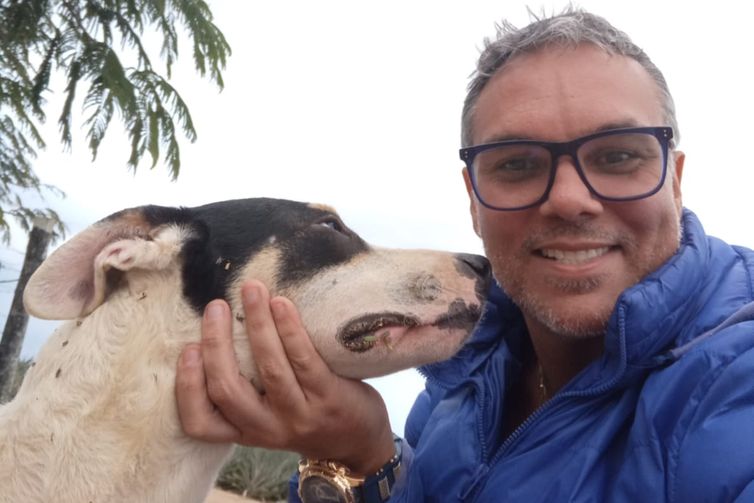
Rio de Janeiro (RJ), 12/29/2025 – Fireworks cause physical suffering, terror and a real risk of accidents for animals. Diogo Alves. Photo: Diogo Alves/Personal Archive
Reactions
As dogs and cats have much more sensitive hearing than humans, the noise from fireworks can trigger reactions such as panic, escape attempts, tremors, excessive salivation, self-mutilation and serious accidents, such as falling from windows and walls during desperate attempts to escape the noise. If they escape, they could end up being run over in the streets. The president of CRMV-RJ warns that the effects of stress caused by sound explosions are not just behavioral. Animals subjected to this type of stimulus may experience tachycardia, increased blood pressure, disorientation and convulsive crises. In extreme situations, the condition can lead to the death of the animal.
“The release of adrenaline is so high that cardiac arrest can occur as a result of the seizure and shock.” Diogo Alves also did not recommend putting animals on collars because this could result in hanging. “This is much worse because the animal feels scared, will try to jump, ends up being hanged and many die.”
For cats, in particular, Diogo Alves recalled that one option is pheromones in spray form. Pheromones for cats are chemical compounds (natural or synthetic) that mimic the well-being and safety signals that cats release, helping to calm, reduce stress, anxiety, and facilitate adaptation to new environments or other pets. Another important tip, according to the veterinarian, is to control the entrances to the house and keep the animal’s door closed at all times.
“Be very careful with guests, who keep coming and going inside the person’s house. And then, they can leave the door open and the animal can escape.”
According to Alves, great control is necessary “because the animals really deserve this care”. Wrapping them in blankets, for example, helps relieve stress.
“The contact between animal skin and human skin makes him feel safer. This is very important.” This habit, which many people call “tail in touch”, an English term that means touching the cloth, “alleviates this phobia, stimulates the release of hormones to reduce the pet’s stress. It is important, yes.”
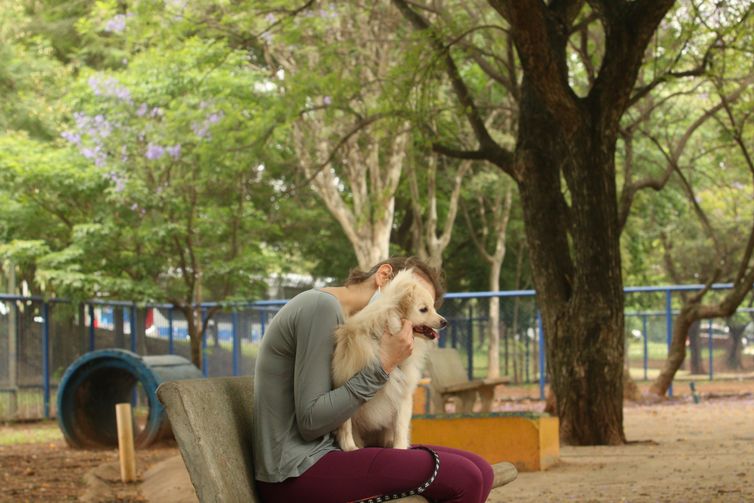
Noise from fireworks can trigger reactions such as panic, escape attempts, and tremors. Rovena Rosa/Agência Brasil
Care
Regarding medications, the president of CRMV-RJ warned that the use of anxiolytics should only be prescribed by a veterinarian. “Because each case is different.” The same applies to the possibility of sedation. “Sedation is only with veterinary guidance. Because there are a lot of people who listen and want to do something like that and they can’t, they shouldn’t do it. With the internet, everyone is curious, everyone thinks they are a teacher”, he criticized. Furthermore, the indiscriminate use of these medicines can also cause serious side effects. “Success and loss are the dose that is administered”, he highlighted.
Another important thing is not to feed the animal close to fireworks because, with the agitation, it could choke. Although the fireworks display intensifies at New Year’s Eve, there are people who have been setting off fireworks since the morning of the 31st, recalled Diogo Alves. As the heat is very strong, another recommendation is to hydrate the animal a lot..
“I always recommend making ice cubes, fruit ice cream. You freeze the fruit, watermelon or melon, for the animal to play with. He keeps licking it, it will distract him, it takes his focus away from the heat a little too. And avoid sugary fruits. Watermelon and melon are the ones we really recommend because the water quantity is much greater. They will love them, they will play.”
Also pay attention to air conditioning devices, as they can dry out the animals’ airways. To prevent this from happening, the veterinarian suggests placing a bucket inside the area to increase the humidity in that space. Regarding walks on the street, he observed that “if the ground is hot for us, it is ten times hotter for the little animal”. You should not take walks with animals during peak sun hours, but until 8 am or only in the late afternoon, so that the animal has better perspiration. For cats, which are lazy by nature, owners should place several pots of water around the house and with fountains, because the cat is also encouraged to drink from moving water.
CRMV-RJ reinforces that celebrating cannot mean putting lives at risk. In periods of high incidence of fires, responsibility towards animals must be part of planning the celebrations.
Other guidelines
The professor of the Veterinary Medicine course at Guarulhos University (UNG), Diego de Mattos, highlighted that one of the setbacks during the festivities is poisoning with foods present at dinners, such as chocolate, raisins, onions, nuts and garlic, which are dangerous foods for four-legged companions. “Chocolate, for example, contains theobromine and caffeine. Animal bodies cannot properly metabolize these substances,” he explained.
According to Diego de Mattos, it is also necessary to avoid raw dough with yeast and alcoholic drinks, as they can cause serious poisoning. Fatty, smoked or highly seasoned meats increase the risk of pancreatitis. Another element that should be avoided is cooked bone, as its splinters can puncture or obstruct the animals’ digestive tract. Leaving all food out of the animals’ reach and not offering leftover food are wise measures.
“If the owner wants to include their pets in the festivities, it is recommended to prepare safe options, such as lean meats cooked without seasoning or salt, appropriate vegetables and snacks aimed at pets.”
He also highlighted that seeking veterinary care is indicated when fear or anxiety becomes intense or persistent. Symptoms such as continuous tremors, vomiting, difficulty breathing, convulsions, desperate attempts to escape or total refusal to eat are some signs that deserve attention. He pointed out that veterinary monitoring is essential to prevent anxiety and fear from becoming a chronic problem.