The resolution also warns that on Sundays and holidays drivers may apply a 20% surcharge on the established fare. Also, remember that preferential rates of 50% for students, people with disabilities and adults over 60 years of age remain in force.
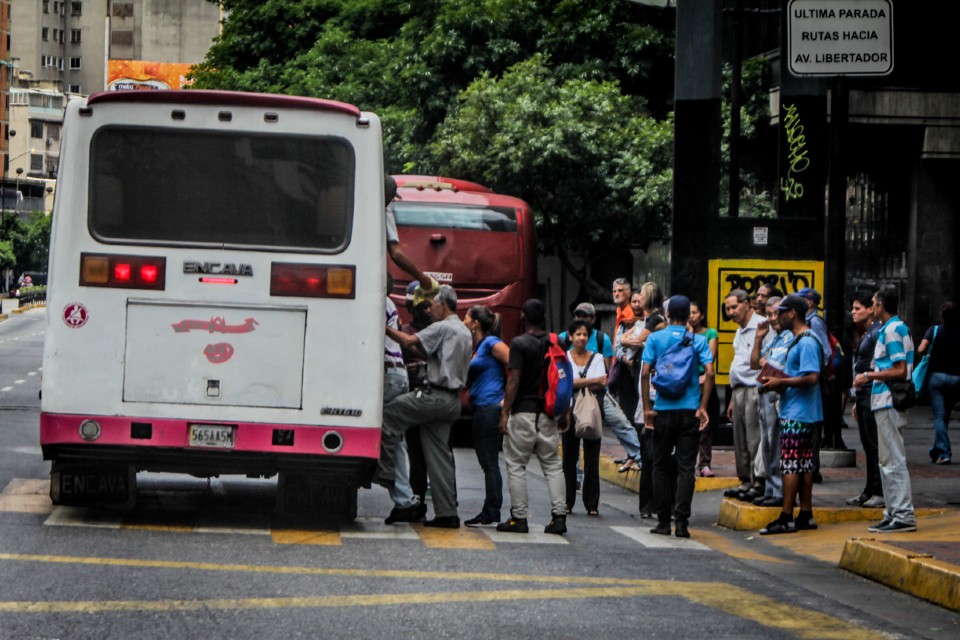
After this Monday the drivers of Greater Caracas began to charge 60 bolivars for the urban fare, this Tuesday, December 30, the Official Gazette was circulated that formally confirms the increase in public transportation rates, clearing up the doubts that had generated complaints among users.
On December 29, passengers expressed their discomfort at the increase of 20 bolivars, considering that the charge was not legal due to the absence of legal support published until that moment. However, Official Gazette No. 43,284, dated December 26, 2025, confirms that the adjustment was approved by the Ministry of Transportation.
The official text establishes that the increase not only applies to private transportation, but also to State transportation systems, including subways, railways, the Metrobús Venezuela Corporation and other public operators, whose rates go from 30 to 60 bolivars.
*Read also: Maduro says that food exports will be “a new source” of foreign currency for the country
The resolution also warns that on Sundays and holidays drivers may apply a 20% surcharge on the established fare. Also, remember that preferential rates of 50% for students, people with disabilities and adults over 60 years of age remain in force.
Despite the officialization of the increase, the transport unions maintain their demand that the fare be anchored to the official dollar of the Central Bank of Venezuela and that its value correspond to 50% of that rate, as a mechanism to compensate for the loss of purchasing power and the increase in operating costs.
The confirmation in Gaceta puts an end, at least on a legal level, to the controversy that began on Monday, although complaints from users and demands from the transportation sector remain open.
*Journalism in Venezuela is carried out in a hostile environment for the press with dozens of legal instruments in place to punish the word, especially the laws “against hate”, “against fascism” and “against the blockade.” This content was written taking into consideration the threats and limits that, consequently, have been imposed on the dissemination of information from within the country.
Post Views: 93