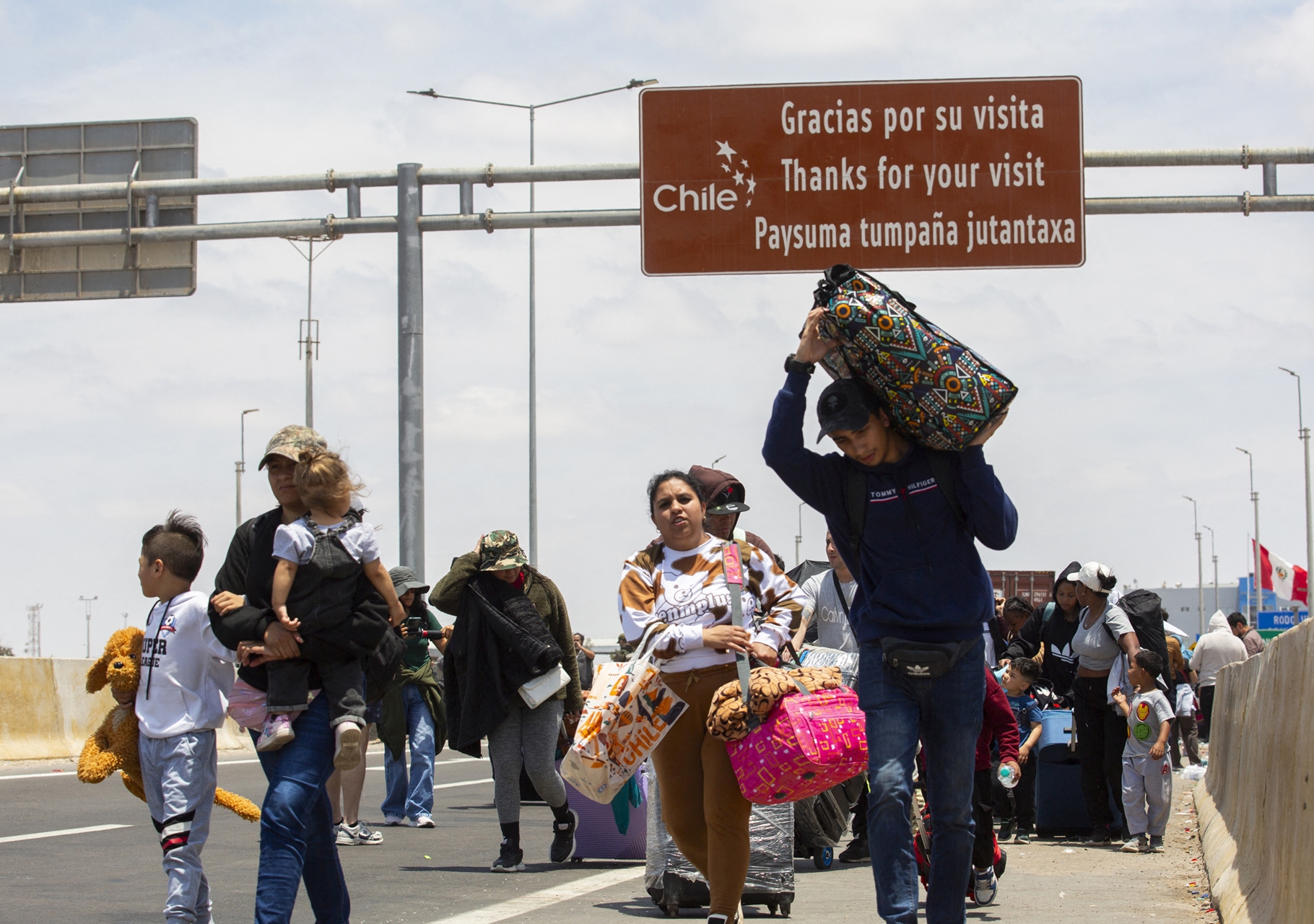
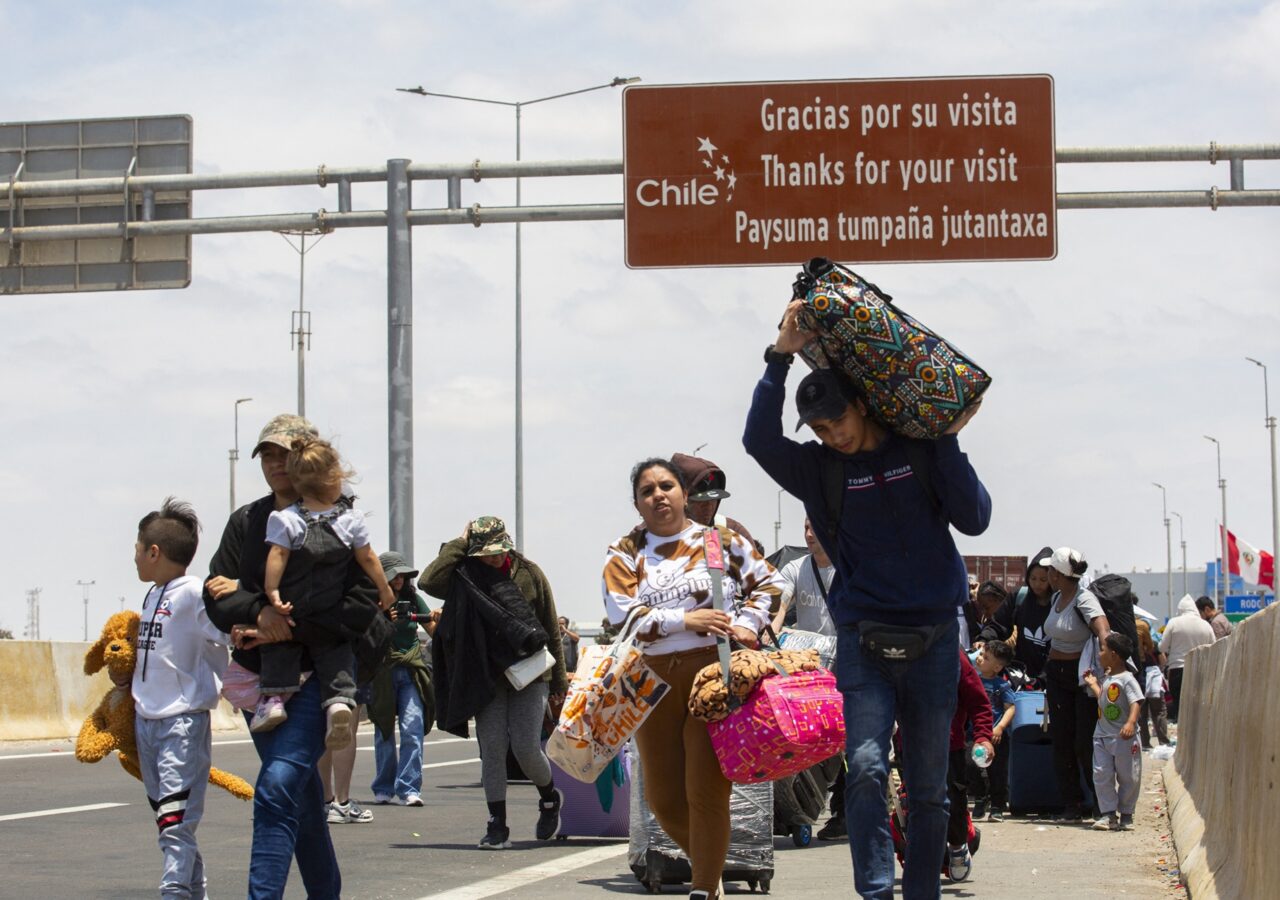
The non-governmental organization Spanish Commission for Refugee Assistance (CEAR) maintained that the European Union (EU) continued to promote “anti-immigration policies” throughout 2025 that “threaten coexistence” and “give wings to hate speech and crimes”, such as those that encouraged the incidents that occurred. in summer in the Spanish town of Torre Pacheco.
In that town of Murcia (southeast Spain), where 40,000 inhabitants live (around 30% of foreign origin, mostly from North Africa), there were violent riots last summer following the beating of several young people. They gave it to a 68-year-old neighborwhich caused a call through social networks to carry out “hunts” for immigrants in that town.
On the other hand, the organization highlighted that displacement crises in the world persist, especially in countries as Venezuela, Afghanistan, Ukraine or Sudan.
Furthermore, in its annual report, made public this Monday, CEAR stressed that 2025 will be recorded for being “the year in which anti-immigration policies promoted hate crimes”, while warning that the European Pact on Migration and Asylum “is enshrining an approach of border containment, control and externalization”while forced displacement increases around the world.
In the opinion of the Spanish Commission for Refugee Assistance, 2026 will be decisive in knowing what direction the European Union and Spain take, which still have time to make policies that put an end to “the constant singling out of migrants and refugees, including many children and adolescents without family references.who are criminalized and stigmatized with impunity”.
CEAR emphasized that the European Union has continued to promote “anti-immigration policies that put human rights at risk”since they “threaten coexistence and social cohesion” and encourage hate speech, as was seen in July in the Murcian town of Torre Pacheco, after a neighbor suffered an attack for which three young Moroccans were arrested.
There “a ‘hunt’ for migrants was incited after the spread of misinformation and false news by extreme right-wing groups,” recalled CEAR, which highlighted that this made visible a reality that affects thousands of people who “suffer daily attacks and discrimination,” driven in many cases by hate speech. “completely normalized.”
Furthermore, and despite the initiatives put in place, difficulties persist for many people to report and to obtain justice and reparation.
Fewer asylum applications
Regarding Spain’s new Immigration Regulations, which came into force in May, CEAR assured that it has caused a decrease in the number of asylum applicationsand detailed that unfavorable asylum application resolutions have grown again in 2025, reaching 44%.
Only 11% of applications had been resolved favorably as of November 30, worsening the 2024 recognition rate by more than seven points. which already placed Spain at the bottom of the EUstated the organization.
CEAR also detailed that the number of arrivals of migrants by sea to the Spanish coast has decreased, largely due to agreements with third countries such as Morocco, Mauritania and Senegal.