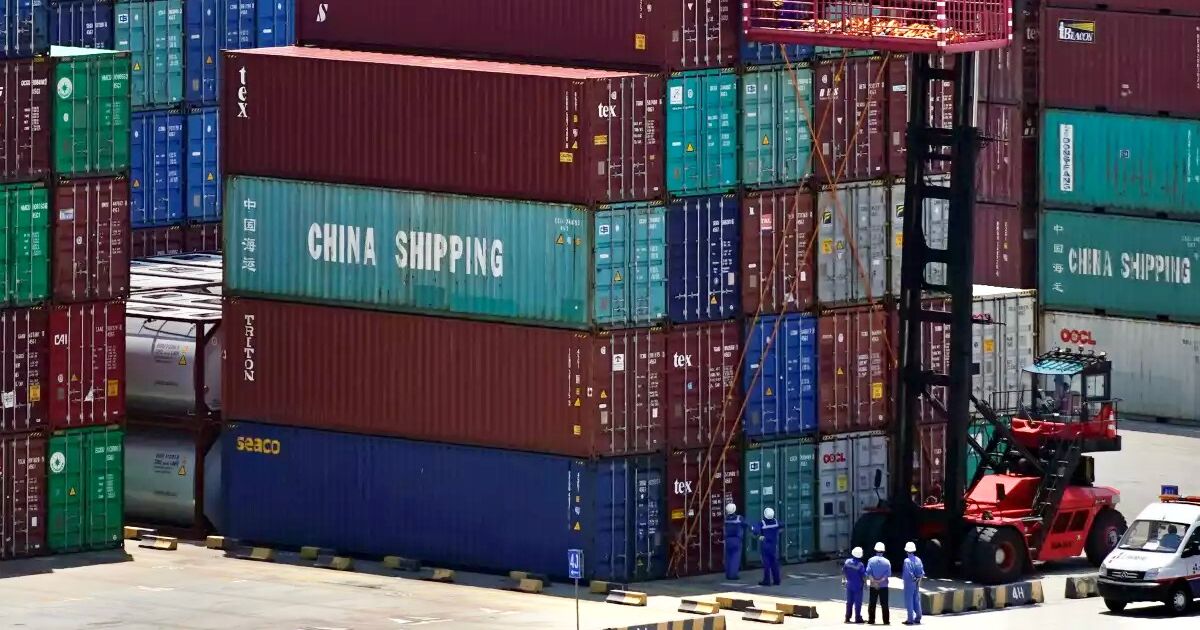
In total, there are 1,463 tariff fractions that directly affect value chains with high dependence on the outside world. For companies, the change implies an immediate increase in international costs, greater pressure on margins and the need to review supply, pricing or supplier replacement strategies.
But the decree leaves the economic authority room for maneuver. With the objective of guaranteeing the supply of inputs under competitive conditions, the Ministry of Economy may apply specific legal mechanisms and instruments for the import of goods from countries with which Mexico does not have Free Trade Agreements in force.
On footwear and leather goods such as bags, backpacks, belts and gloves, imports face a 25% tariff. In textiles, which include cotton or synthetic fiber fabrics, yarns and fabrics, rates range between 25% and 35%, depending on the type of product. Toys and everyday plastic items are also subject to tariffs of 25% to 35%, as are numerous household goods made of plastic.
In the automotive sector, the decree sets tariffs of 25% to 35% for tires of cars, trucks and commercial vehicles, while plastic parts and accessories used in vehicles pay between 7% and 25%. Appliances, through their components and plastic casings, face tariffs of up to 35%. In consumer goods, perfumes, cosmetics and personal care products register rates of 25% to 36%, while paper, cardboard and packaging pay between 25% and 35%.
From the government’s perspective, the decision seeks to correct distortions in the domestic market caused by the massive entry of low-priced goods and strengthen the national industry in the face of increasingly aggressive competition. The measure points to a shift in Mexican trade policy, which abandons the logic of minimum tariffs and adopts a more defensive stance against imports considered unfair.