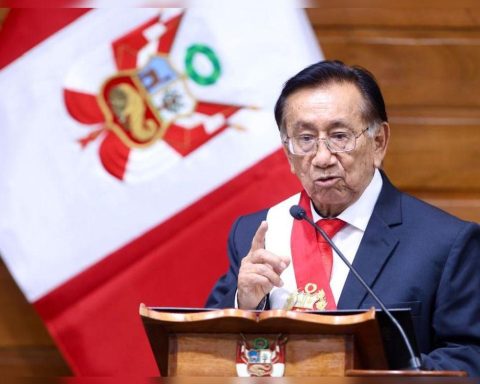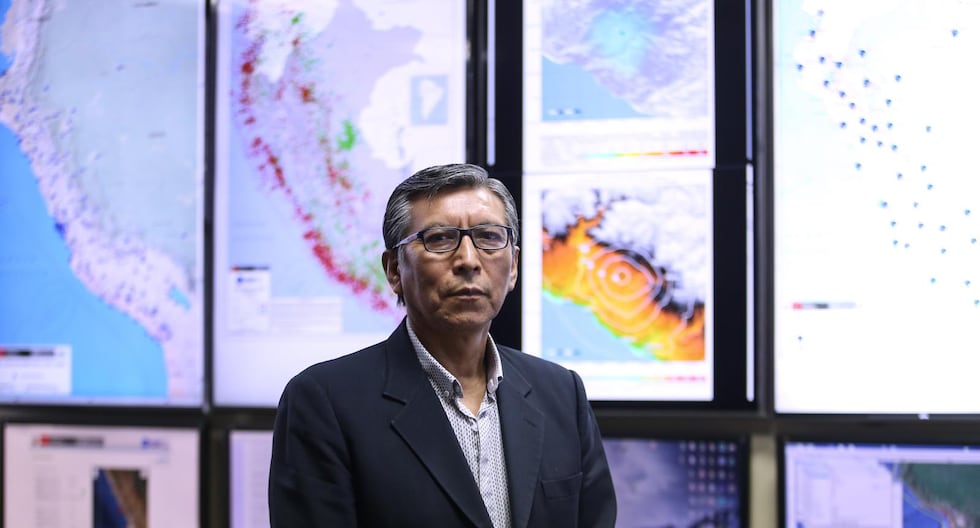
The president of Geophysical Institute of Peru (IGP), Hernando Taverawarned that the Peruvian population you are not reducing your risk level against seismic events, despite living in a highly seismic country.
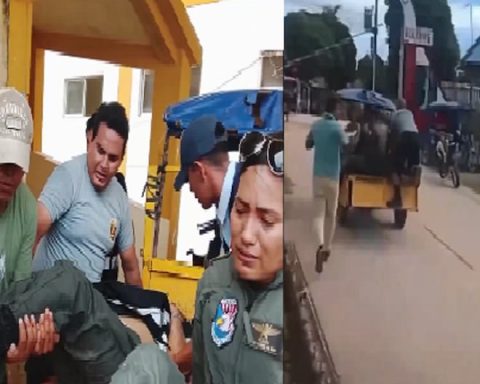
In statements to RPPthe specialist warned about the citizen reaction after the three earthquakes of magnitude 5.1; 3.8 and 3.9 recorded last Sunday in the coastal area of Chimbotejust one day after magnitude 6 earthquake that left more than 20 injured in the region Ancash.
Read: 6.0 magnitude earthquake leaves 28 schools affected in Áncash
“The population reacts as if it were the first time”
Tavera pointed out that one of the IGP’s main concerns is the lack of collective learning in the face of these events.
“From the IGP we are seeing that every important seismic event that occurs in the country The population always reacts as if it were the first time it happens. In reality, we are not learning from those experiences”he declared.
The official stressed that these experiences should serve to correct behaviors over time and constantly work on risk reduction.
Read also: Earthquake in Áncash leaves 25 injured and serious damage
Peru, a highly seismic country
Tavera reiterated that earthquakes are part of the country’s natural dynamics and that “The strangest thing is that earthquakes do not occur”due to the active geodynamics in which the Peruvian territory is located.
In that sense, he specified that science cannot prevent earthquakes from occurring, but it is possible. reduce its impacts through prevention and preparation.
“Each person has the responsibility of working to reduce their level of risk. We have seen homes with minor damage, but if it had been a larger earthquake, the structural damage would have been greater and that would have generated mortality.”held.
Damage reported after earthquakes
The recent earthquakes in Áncash left damage to homes, educational and health infrastructurein addition to roads and shopping centersaccording to preliminary reports from the authorities.
The IGP insisted on the need to strengthen the prevention culturerespect for construction standards and family preparation for seismic emergencies.