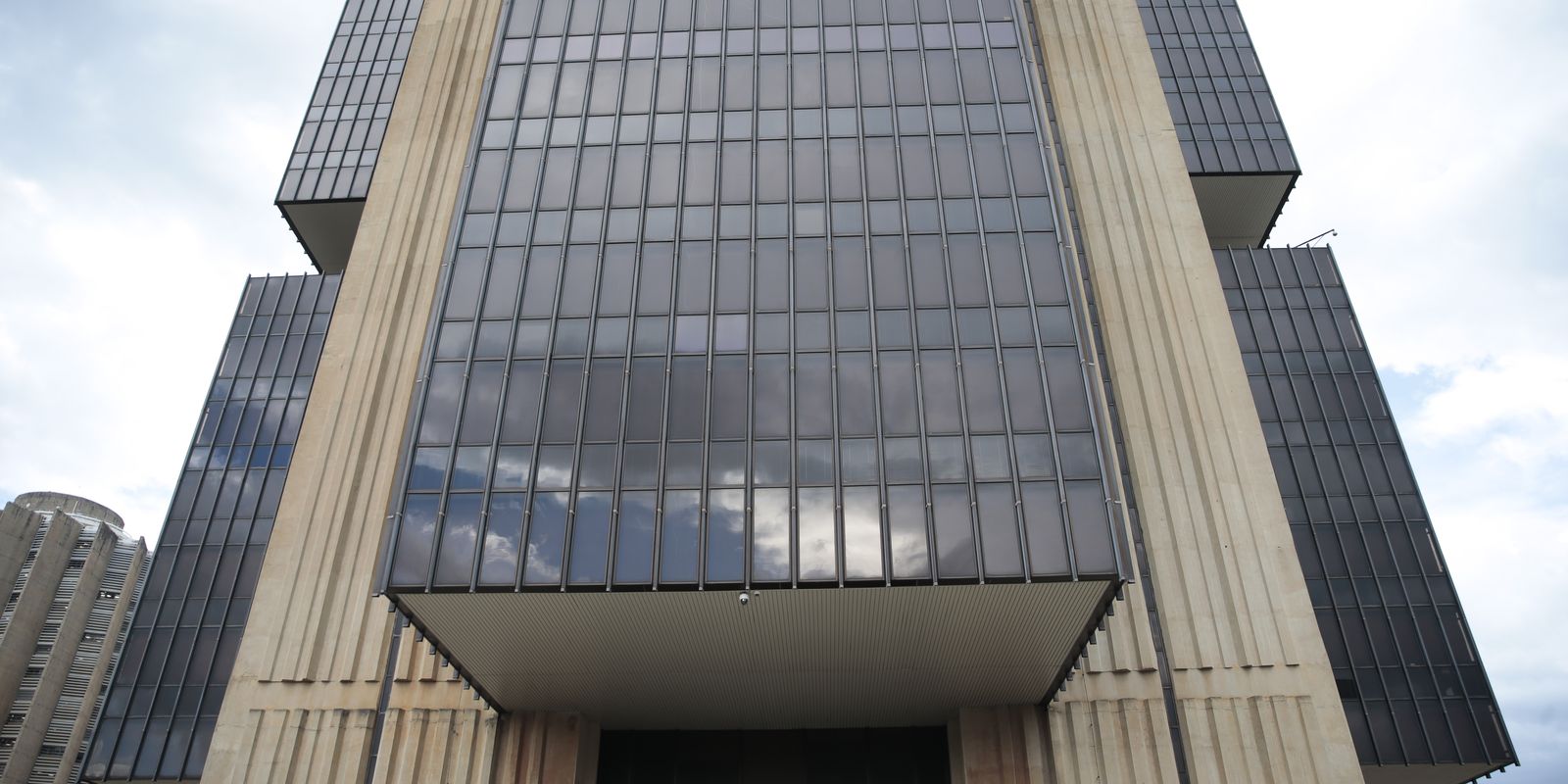
Four entities representing banks, finance companies and fintechs released this Saturday (27) a joint note in defense of the actions of the Central Bank (BC) in the case of the liquidation of Banco Master. The document calls for the preservation of the regulator’s technical authority and institutional independence, amid questions about the decisions adopted in the process.
In the statement, the entities state that the existence of a technical and independent regulator is one of the pillars for maintaining a solid and resilient financial system. According to the text, the Central Bank has been exercising this role with “attentive and independent banking supervision, in an exclusively technical, prudent and vigilant manner”.
In the note, financial sector entities warn of the risks of a possible review of the regulator’s technical decisions by other bodies. According to the document, this hypothesis would lead to a “sensitive terrain of regulatory and operational instability”, with legal uncertainty and damage to the predictability of decisions and confidence in the financial system.
The note is signed by the Brazilian Association of Banks (ABBC), the National Association of Credit Institutions (Acrefi), the Brazilian Federation of Banks (Febraban) and Zetta, an entity that represents companies in the financial and payment sector. Together, the associations represent more than 100 institutions, around 90% of the financial sector and 98% of the system’s assets.
BC’s preventive action
The text recognizes that the Judiciary can and should analyze the legal aspects of the Central Bank’s actions, but argues that the technical merit of prudential decisions be preserved. For associations, weakening the regulator’s authority can have negative impacts on the economy and increase risks for depositors and investors, especially individuals.
The associations highlight that BC supervision acts in a preventive manner, ensuring that banks and other institutions maintain adequate levels of capital and liquidity, in addition to risk policies compatible with their business models. As an example, they cite the low number of institutions with solvency problems in recent years, even during the 2008 financial crisis and the covid-19 pandemic.
In a separate note, Anbima, which represents the financial and capital markets, also expressed support for the autonomy of the Central Bank, stating that settlement decisions are technical, based on prudential criteria, and that their eventual reversal would compromise confidence in the pillars of the financial system.
Confrontation
The demonstration took place on the same day that Minister Dias Toffoli, of the Federal Supreme Court (STF), continued to hold a confrontation in the investigation investigating irregularities involving Banco Master. The hearing is scheduled for next Tuesday (30) and should bring together the director of Inspection at the Central Bank, Ailton de Aquino Santos, the controller of Master, Daniel Vorcaro, and the former president of the Bank of Brasília (BRB), Paulo Henrique Costa.
The confrontation seeks to compare versions of the BC’s actions and signs of fraud in the attempted sale of Master to BRB.
The process is being carried out under secrecy at the STF, after Toffoli raised the case, which was being processed in the Federal Court of Brasília. The decision was taken at the request of Vorcaro’s defense and comes amid questions about possible flaws in the supervision and inspection process of the liquidated bank.