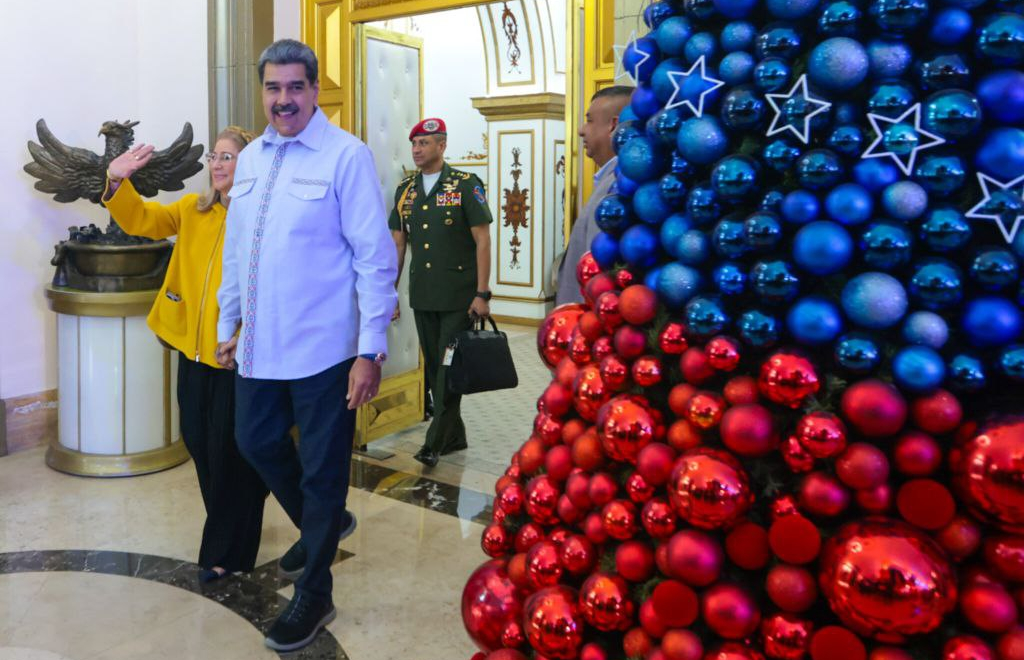

The Christmas event led this Wednesday, December 24 by Nicolas Maduro in a popular neighborhood of Caracas unleashed a wave of criticism on social networks, where numerous users questioned the contrast between the festive staging of the head of the regime and the deep social crisis that the majority of Venezuelans are going through.
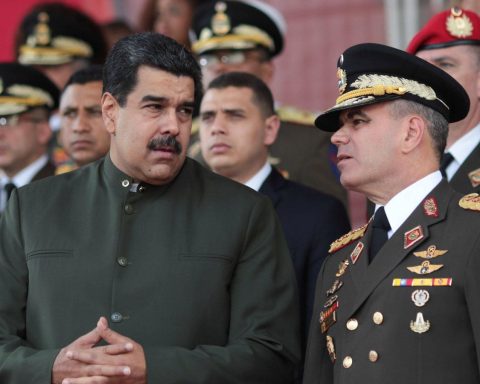
During the political event called “National Community Hallacazo”Maduro danced, ate and made jokes in front of supporters, while he once again openly challenged the president of the United States, Donald Trump, hours after he ratified maximum sanctions against the Venezuelan dictatorship and ordered intensified military operations in the Caribbean.
“I am a man on foot… I’m leaving dancing, but I’ll come back to keep fighting and dancing to continue succeeding. “Imperialism cannot defeat us,” he expressed. Ripe in public statements disseminated through official media and social networks, reaffirming his rhetoric of confrontation with Washington.
However, the citizen response was immediate. On Instagram, a user harshly criticized the scene: “While he eats, dances and laughs, the majority of the population suffers hardships by not having anything to offer on their table”. Another Internet user on the same platform pointed out that “Maduro lives in a completely parallel reality; we Venezuelans have been immersed in a crisis for some time.”
The expressions of rejection were also replicated on the social network X (formerly Twitter), where a user wrote: “You have little left, dictator. The day will come when justice will be done for all the suffering you have put our people through.”.
The images of the event, widely disseminated on digital platforms, contrast with the persistent economic and social emergency of the countrymarked by pulverized minimum wages, collapsed public services and a massive migration that exceeds seven million Venezuelans, according to international organizations.
While Maduro tries to project an image of “closeness” with the popular communities of the capital, growing pressure on his regime is maintained at the international level. The United States continues its military deployment in the Caribbean, in a context of hardening its policy towards Venezuela.
Trump offensive
President Trump has recently designated several Latin American cartels—including the Cartel de los Soles and the Tren de Aragua—as terrorist organizations, citing their alleged participation in the trafficking of fentanyl and cocaine into the United States.
As part of the so-called Operation Southern Spear (Southern Spear), the US Navy has deployed the aircraft carrier USS Gerald R. Fordleading a fleet of almost a dozen warships off the Venezuelan coast. Added to this are overflights by B-52 Stratofortress strategic bombers, F-35 and F-18 fighters, as well as P-8 Poseidon reconnaissance aircraft, according to information from the Pentagon.
Official US sources have indicated that this military contingent also seeks actively block Venezuelan oil tankerswith the aim of cutting off the Maduro government’s sources of financing.
In the midst of this scenario, criticism on social networks reflects a growing citizen unrest at the gap between the official discourse and the harsh daily reality that the majority of Venezuelans face.